
Spain, Girona and Montserrat were places which I had always avoided. It was due to my notion about Spaniards from my educational exchange. The Spaniards whom I met there were a closed group which refused to speak English and mingle with other nationalities. That was the reason I hadn’t wanted to visit a country where I couldn’t find out anything about local people.
My second notion was that they are disorganized as well as it is a place where trains have a siesta from 14:00 to 17:00 and everything is delayed. Are these notions based of facts of fiction?
Immerse in a series of 6 articles about Spain:
- Spain, Barcelona and San Cugat (1),
- Zaragoza (Aragon), thieves and high-speed trains (2),
- Girona, Montserrat and a grilled pigeon (this article),
- Spanish cuisine and overall impressions about Spain (4),
- Spanish pronunciation and dictionary (5),
- Spaniards, Catalans, integration of foreigners and capitalism (6).
If there isn’t a link to the article yet, it means the article hasn’t been published yet. Wait for a while please.
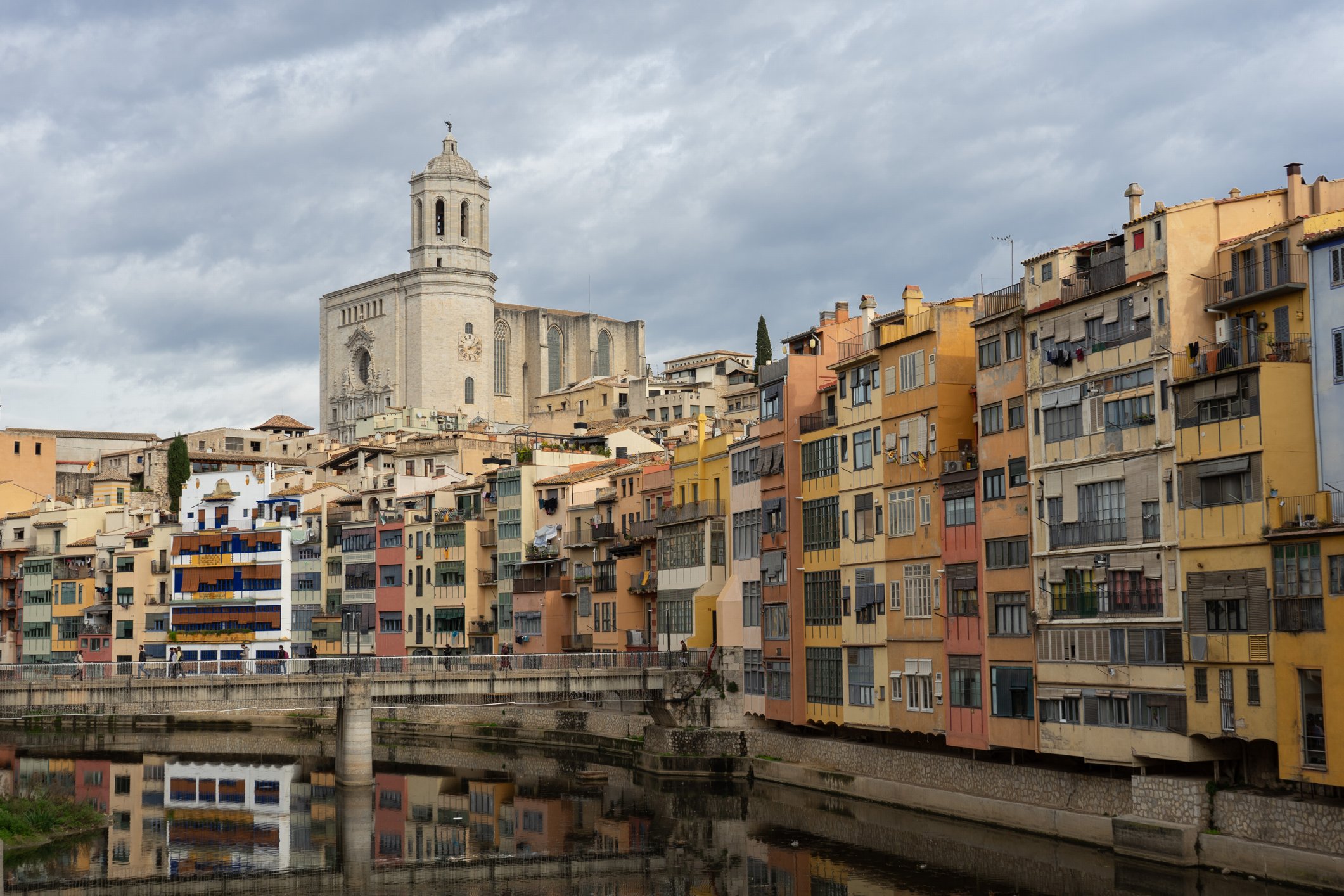
This is 3rd article in the series of 6. There is information about what to visit in the surroundings of Barcelona. You can visit Montserrat monastery (Santa Maria de Montserrat Abbey) and Monistrol de Montserrat. The place was visited by Heinrich Himmler who sought the Holy Grail there. Girona is a picturesque and a smaller city with a historical city centre. It was a place where Lance Armstrong, at first the king of cycling, then the king of dope, went to train. There is also a legend about the French. It will help you to find out how to make the French speak English when they refuse to.
There is a link to a map with all points of interest written about at the end of the article.
Montserrat monastery & Monistrol de Montserrat
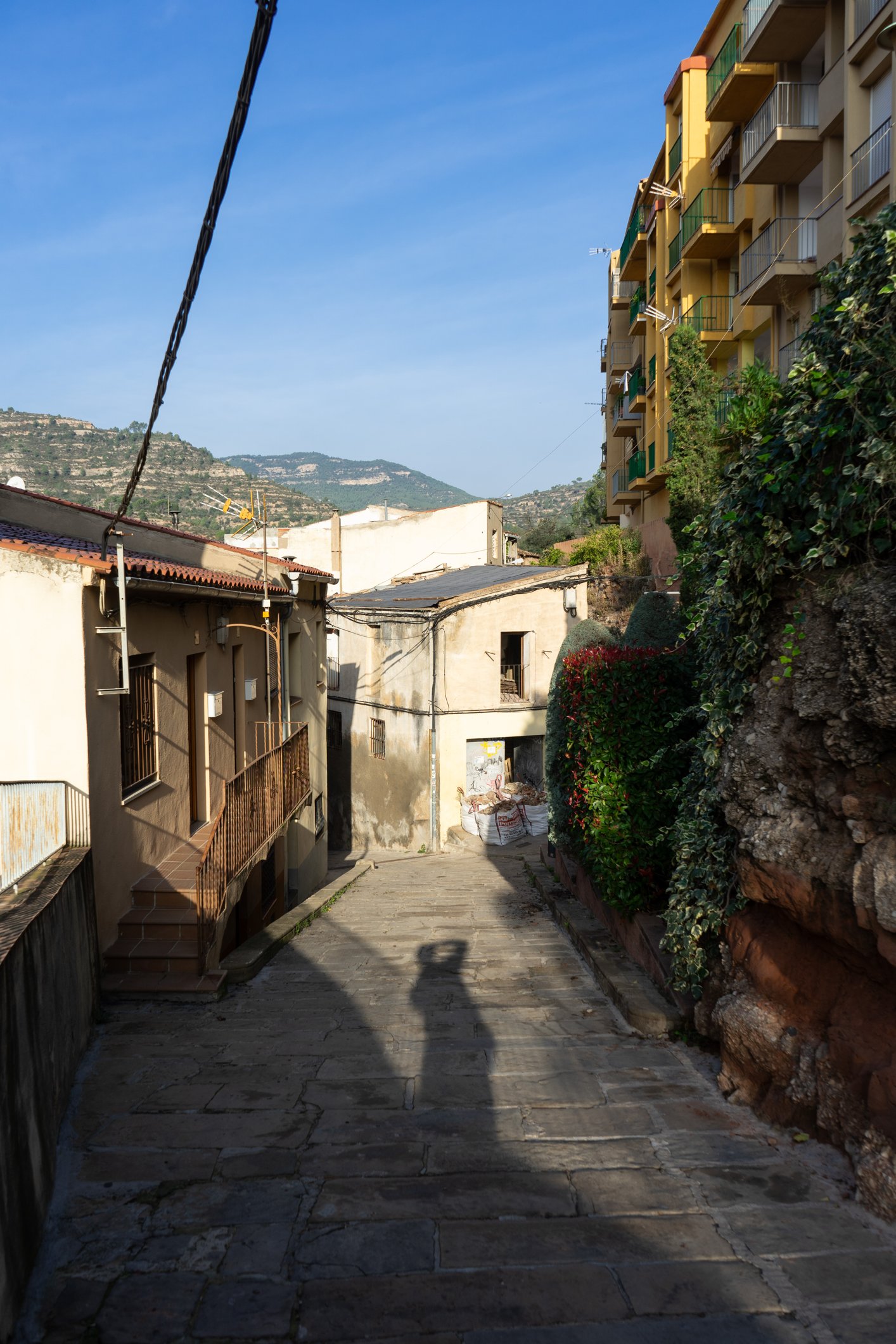
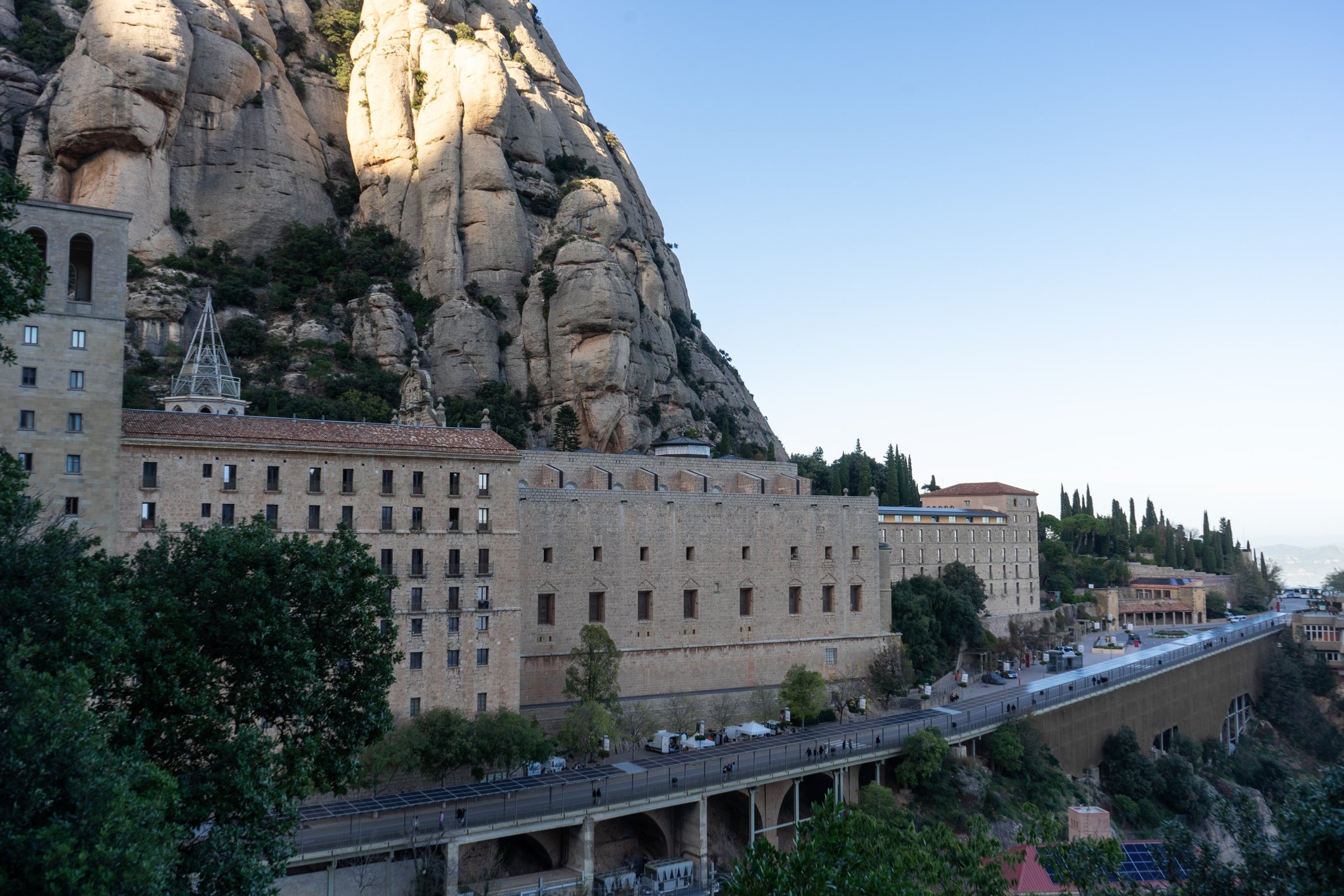
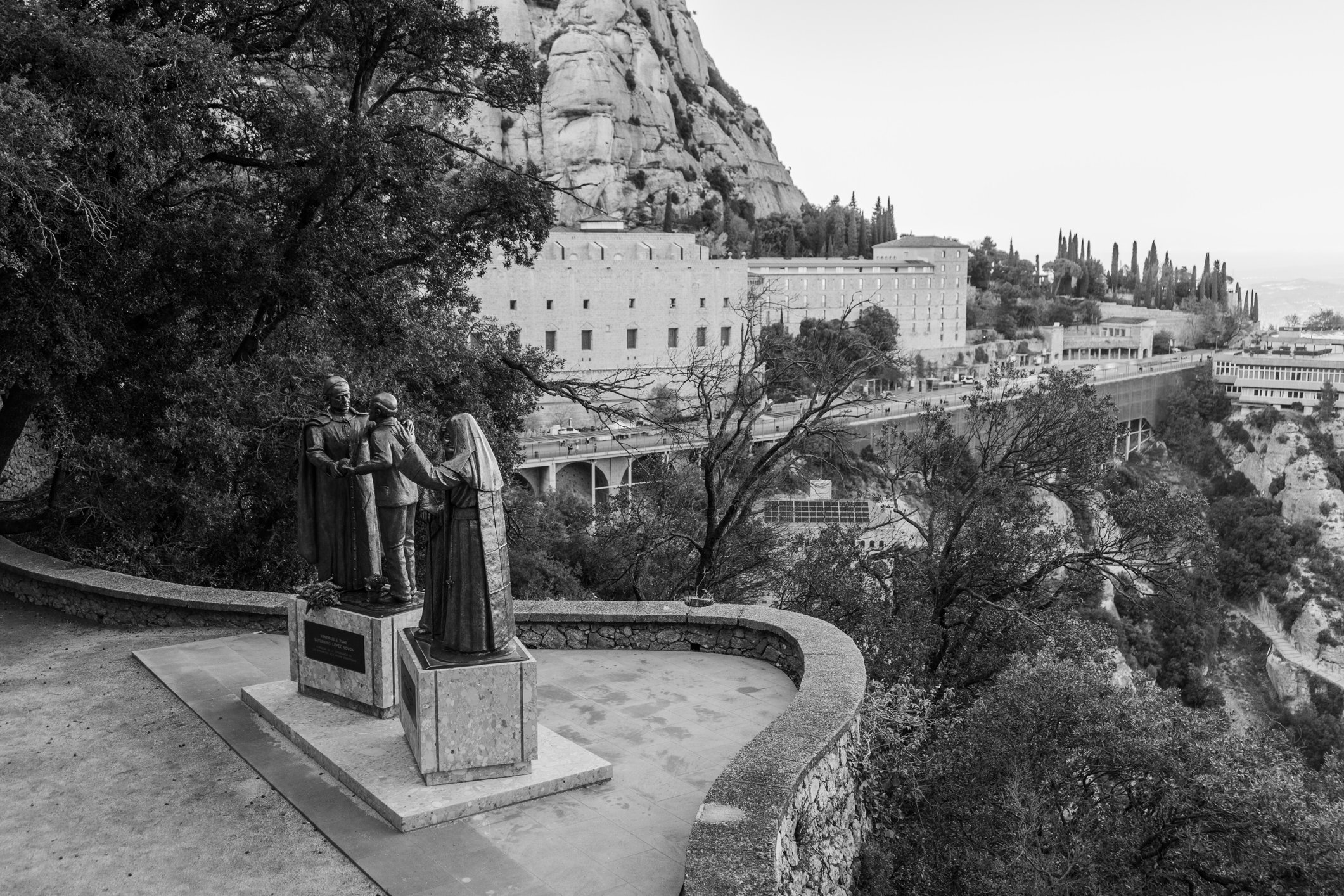
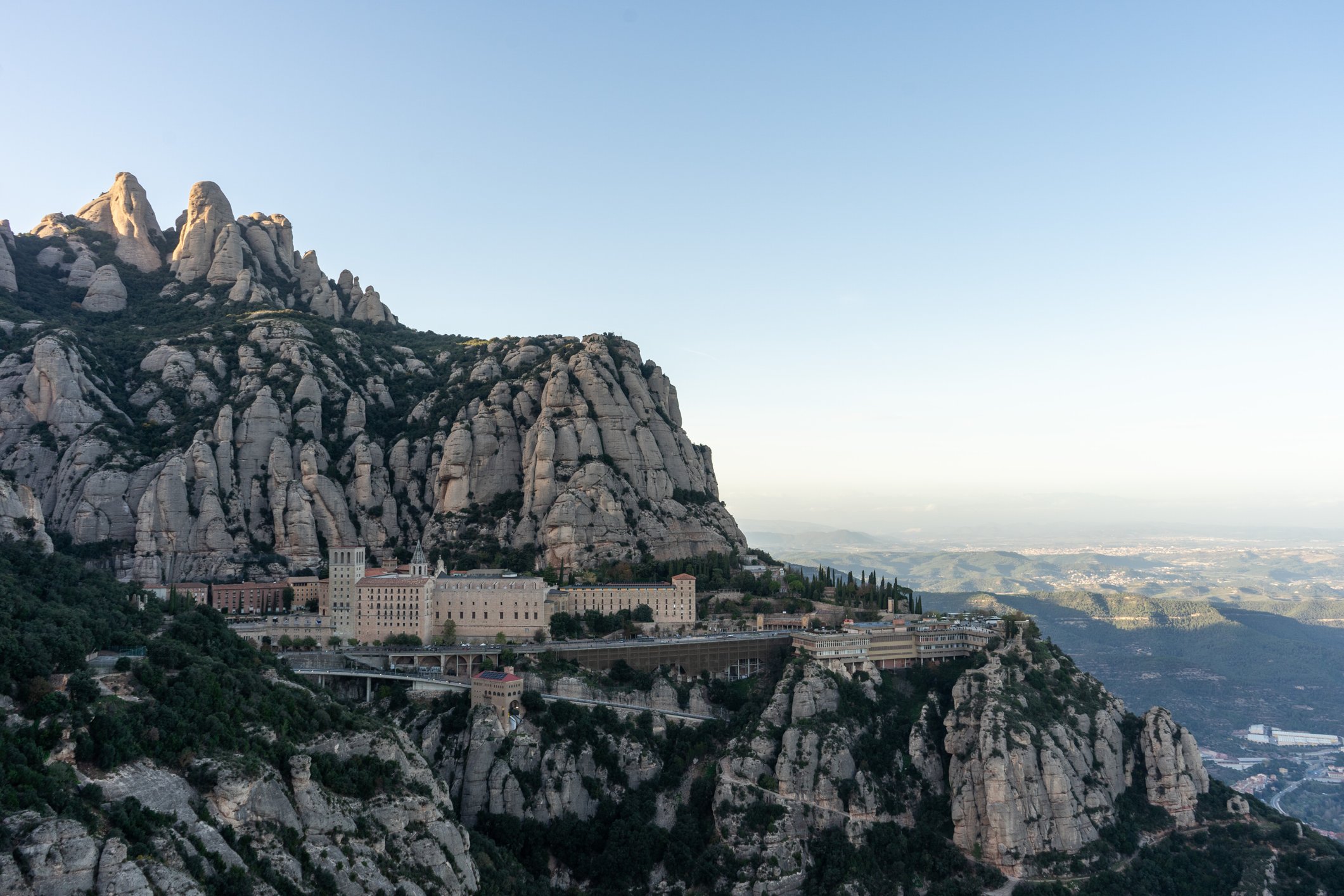
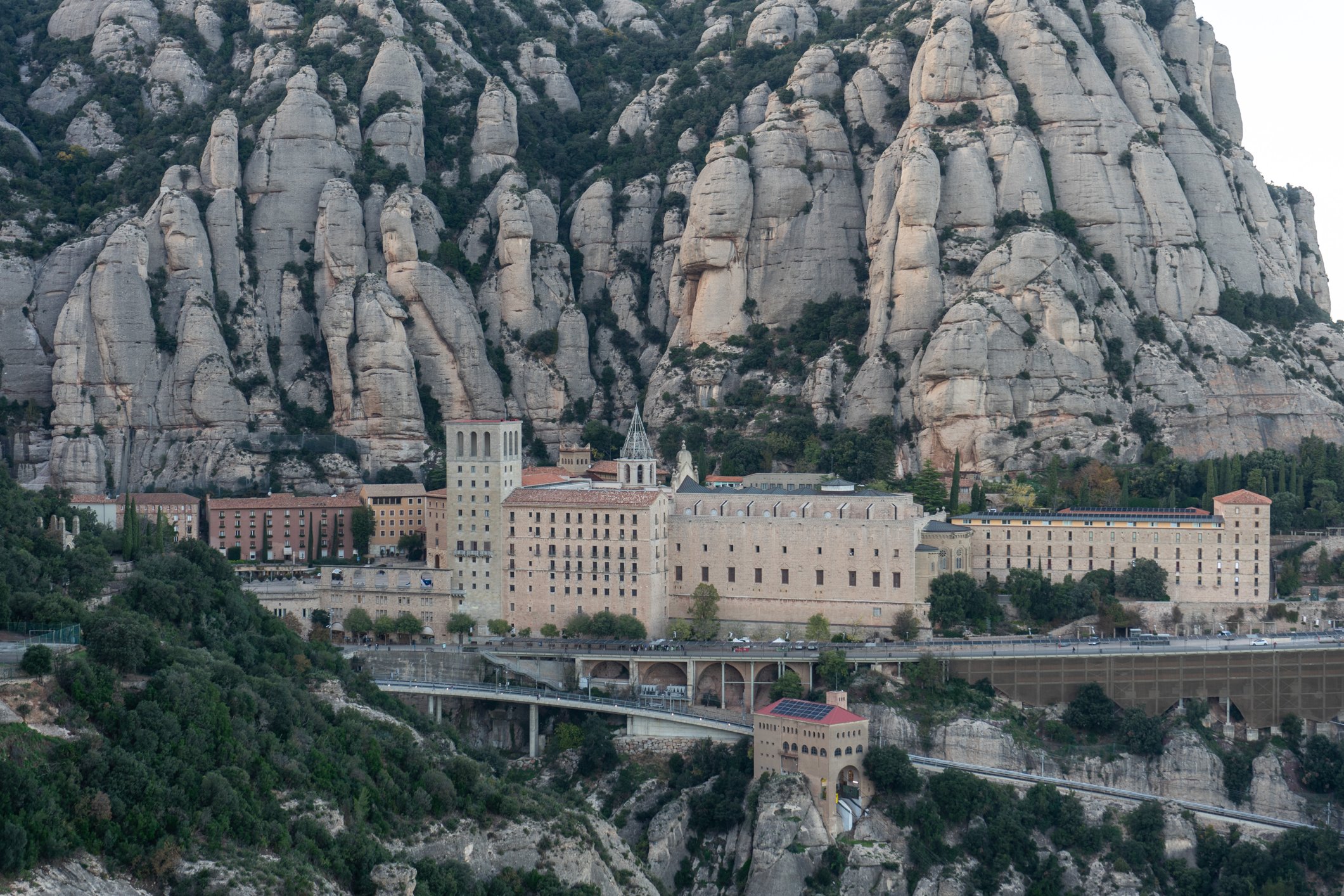
Santa Maria de Montserrat Abbey or Montserrat monastery is located at the altitude of 750 metres above the sea level. It is possible to take a hike from a town Monistrol de Montserrat which is located below the monastery. Take a train from Placa de Espanya (FGC) in Barcelona to get there.
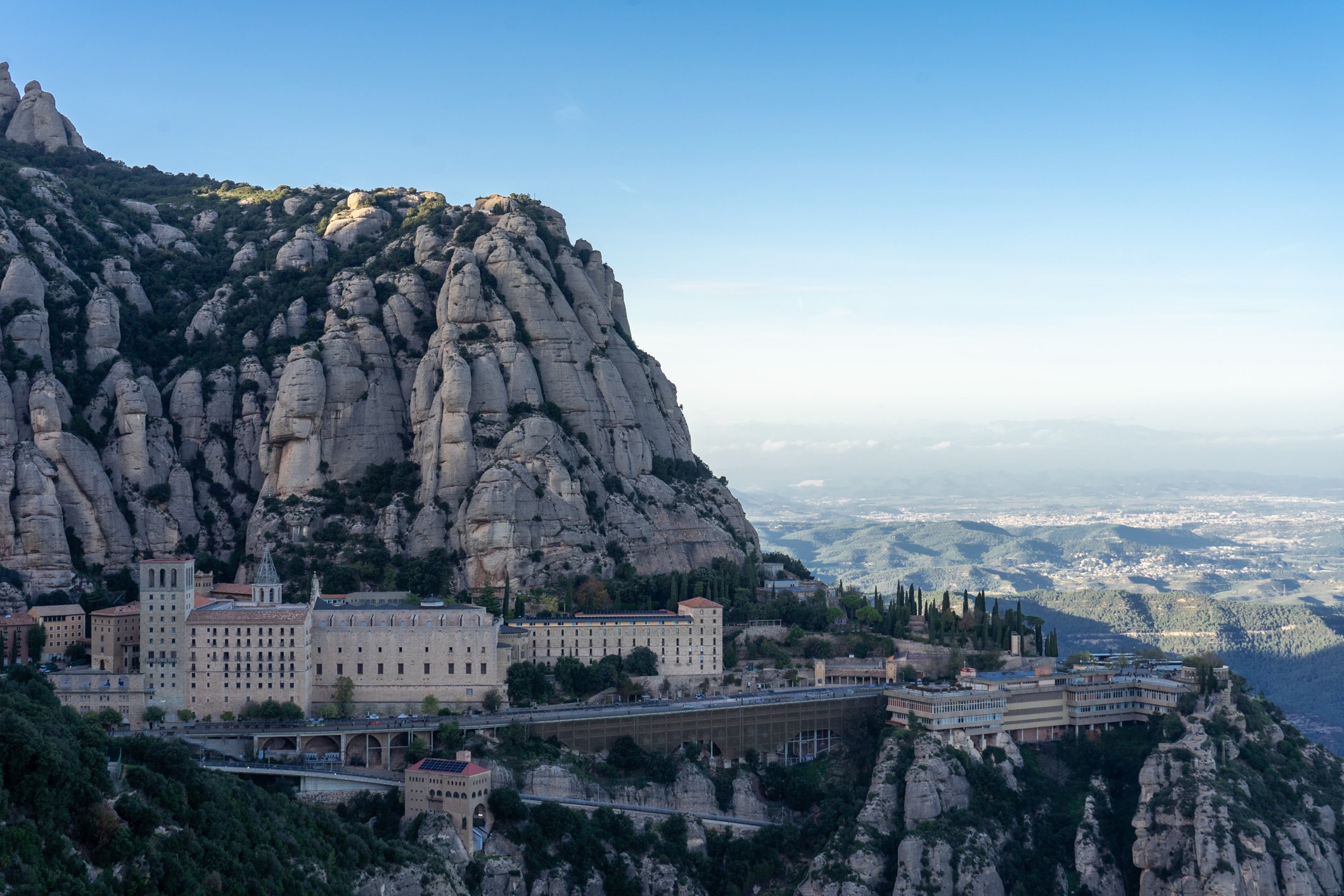
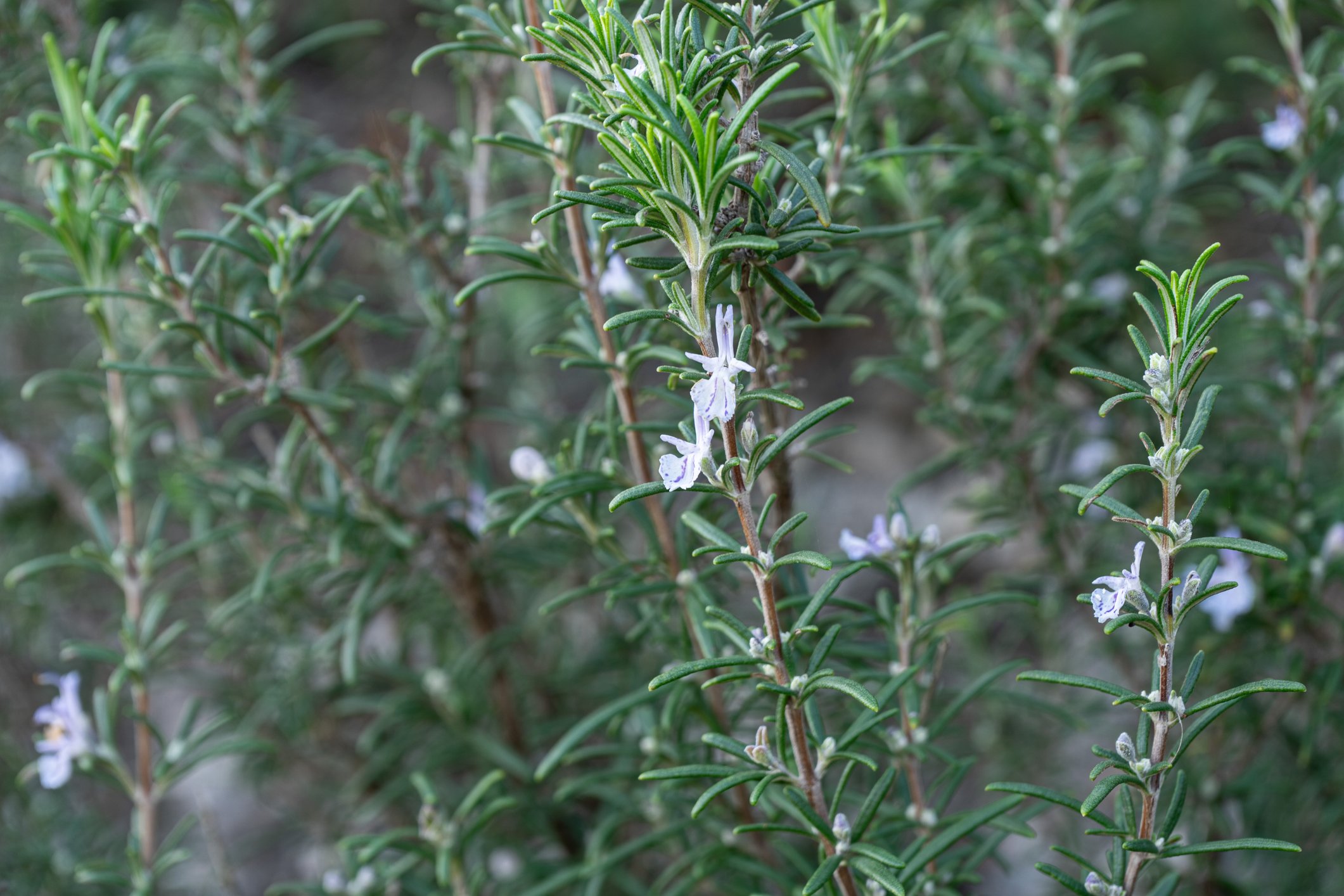
The hike is 4,9 km in length with a total altitude change of 600 metres. It is not so long. However, the altitude change is a little bit more than an ordinary city walk. You can find rosemary in abundance growing there. I was surprised by the strong smell of it.
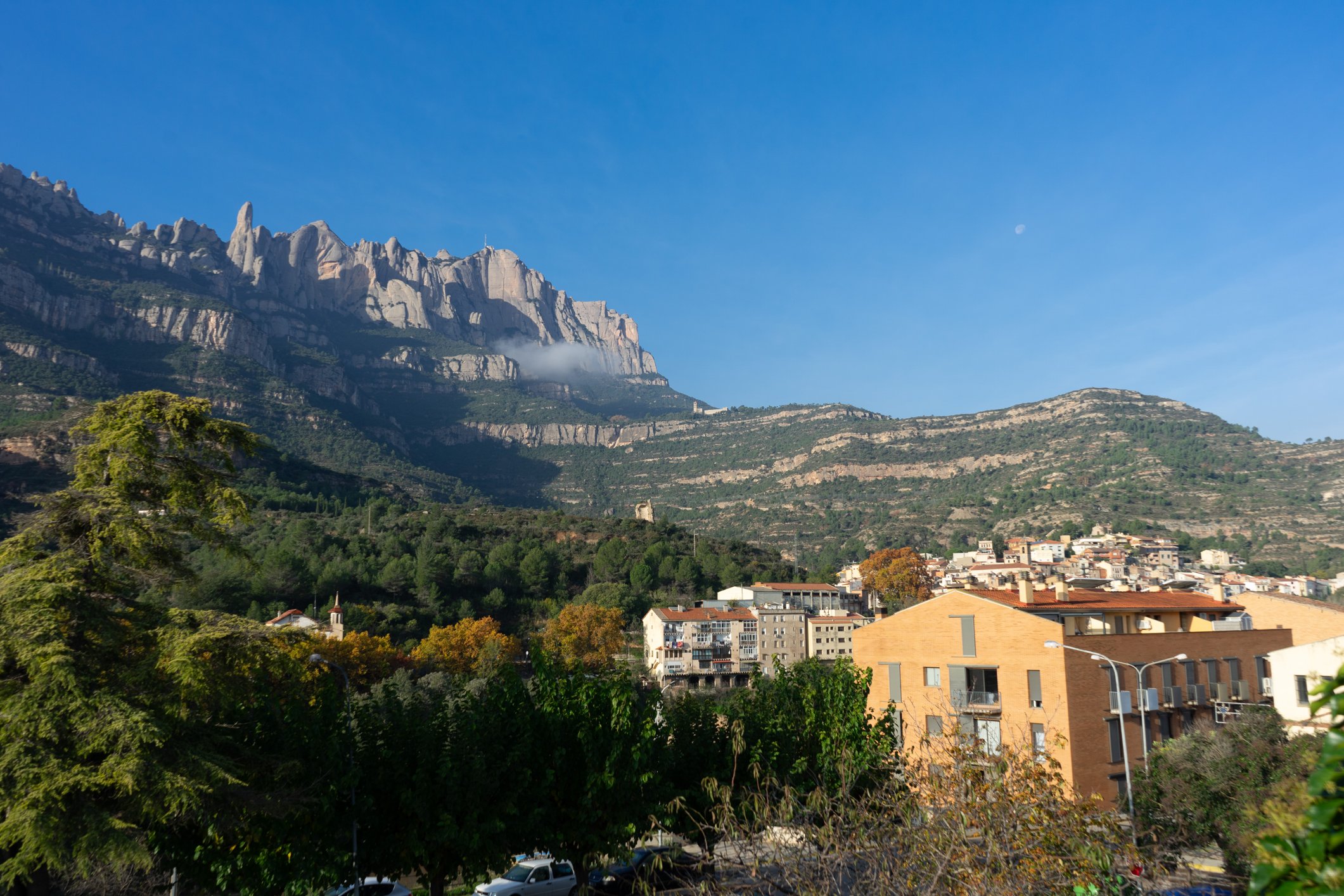
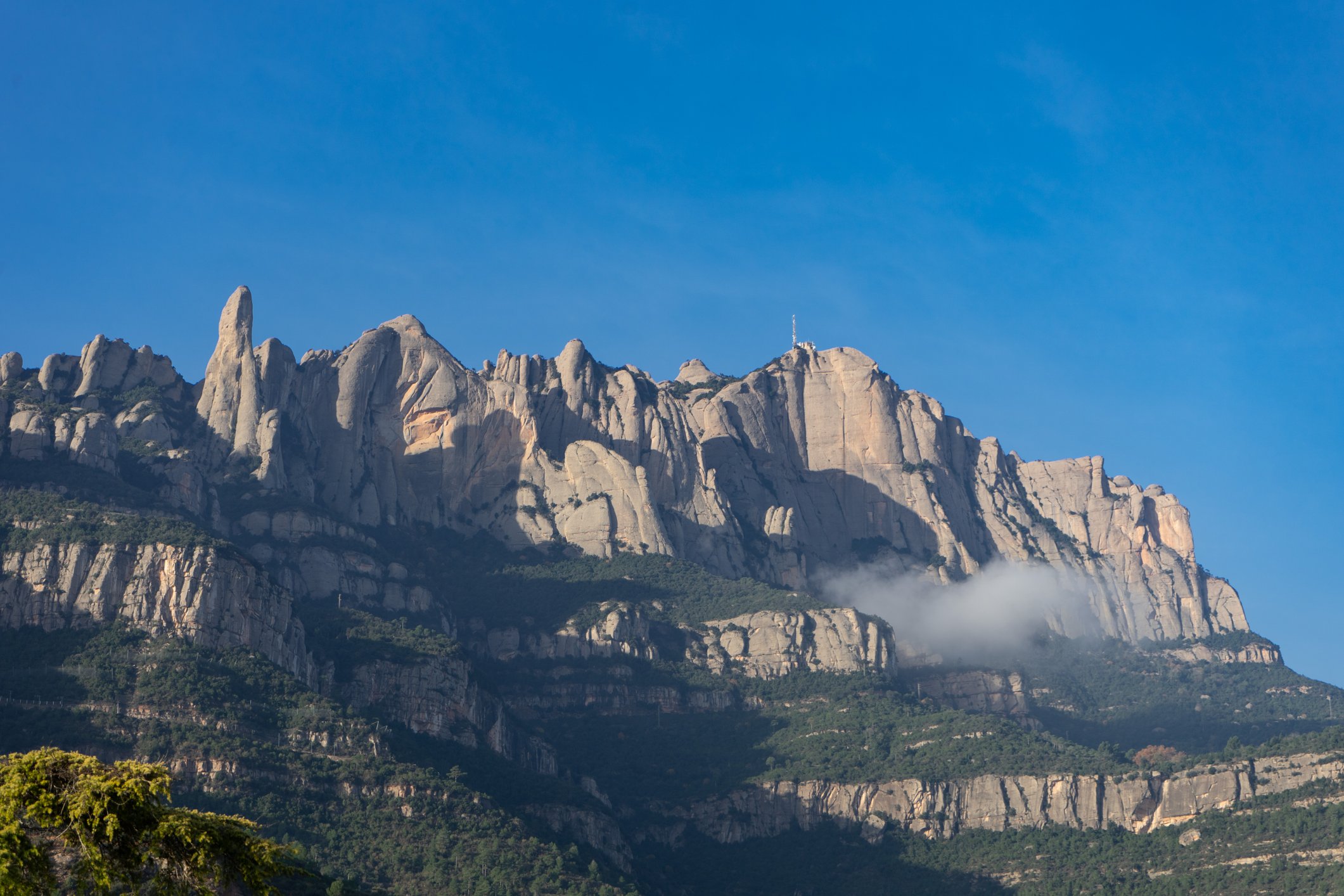
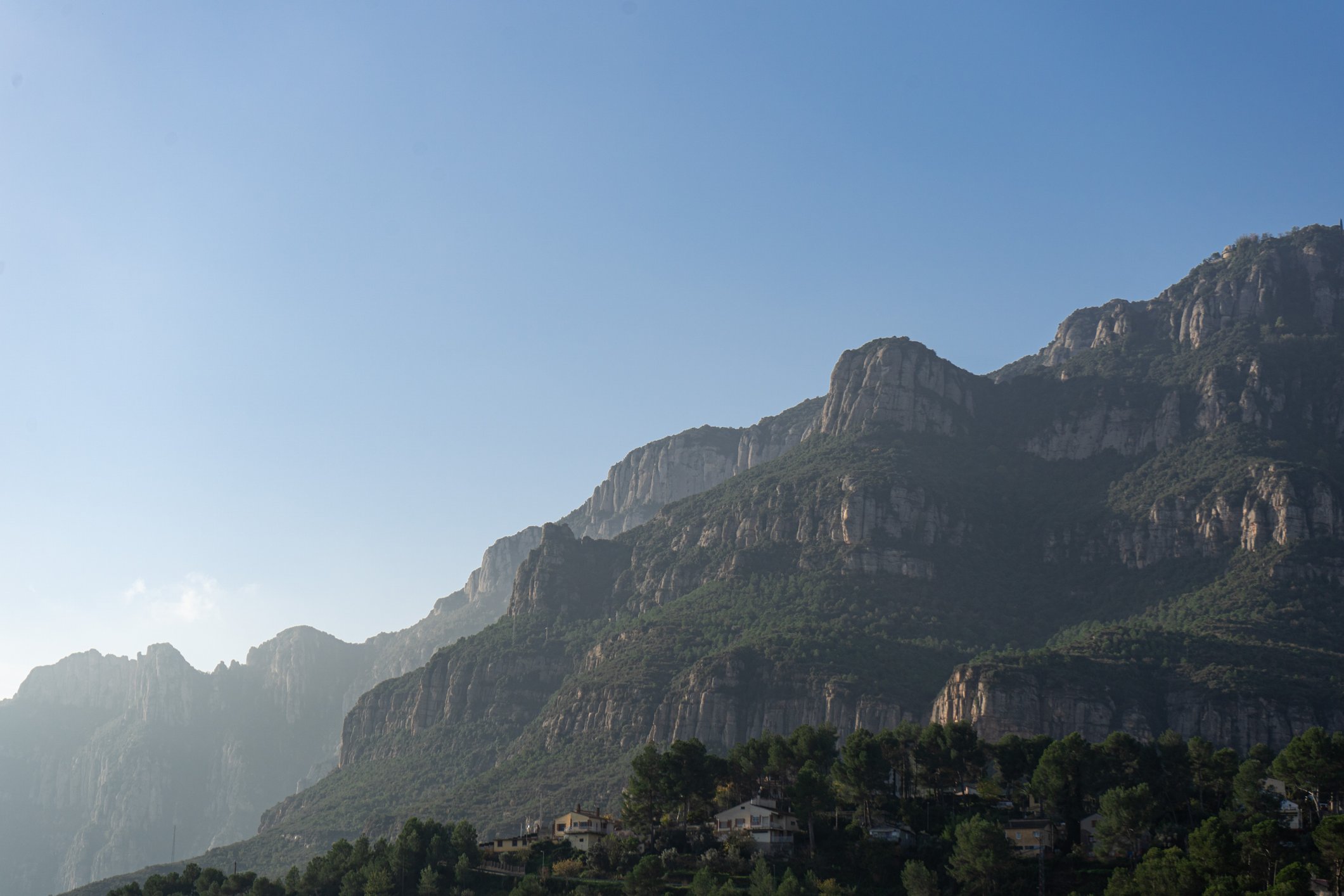
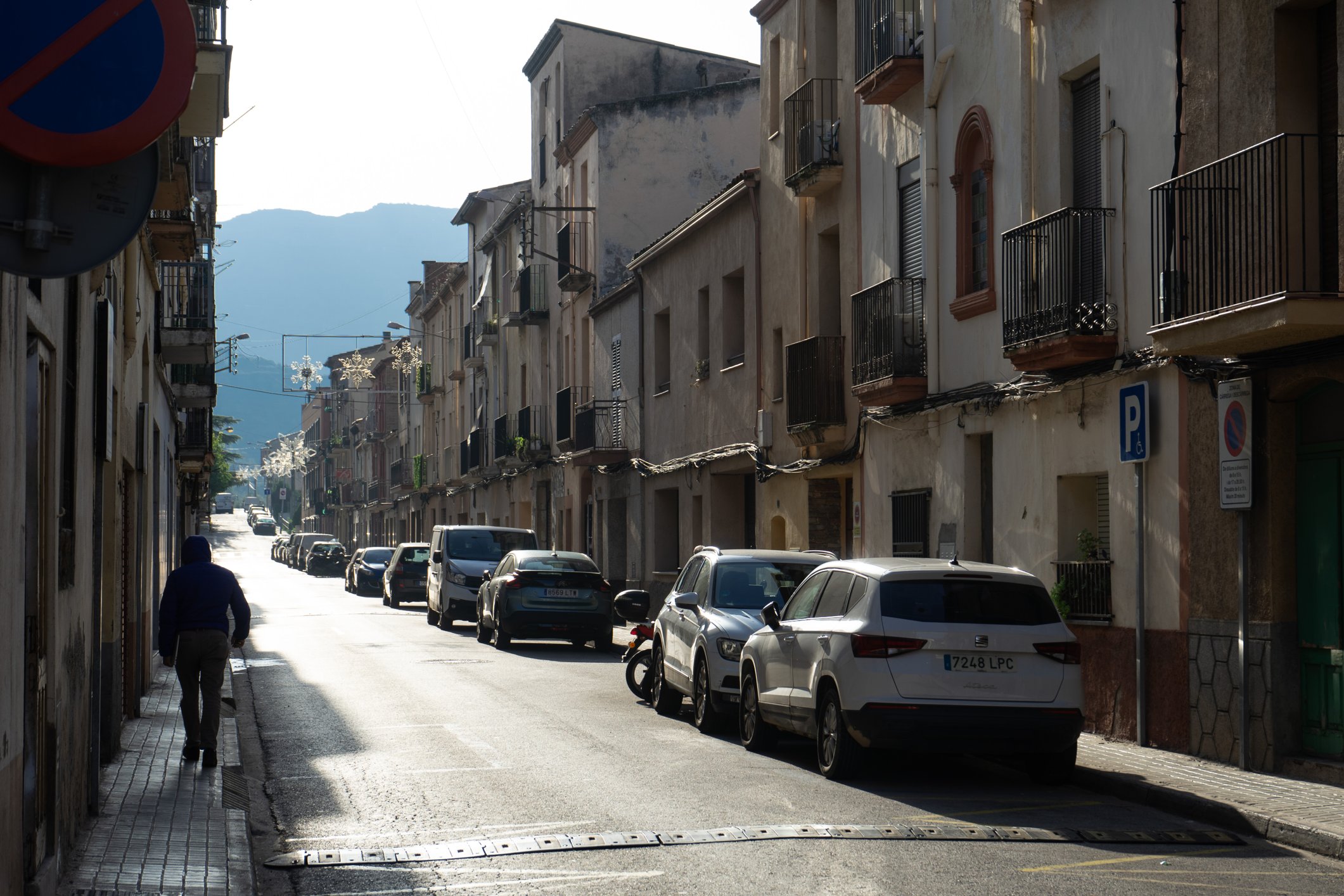
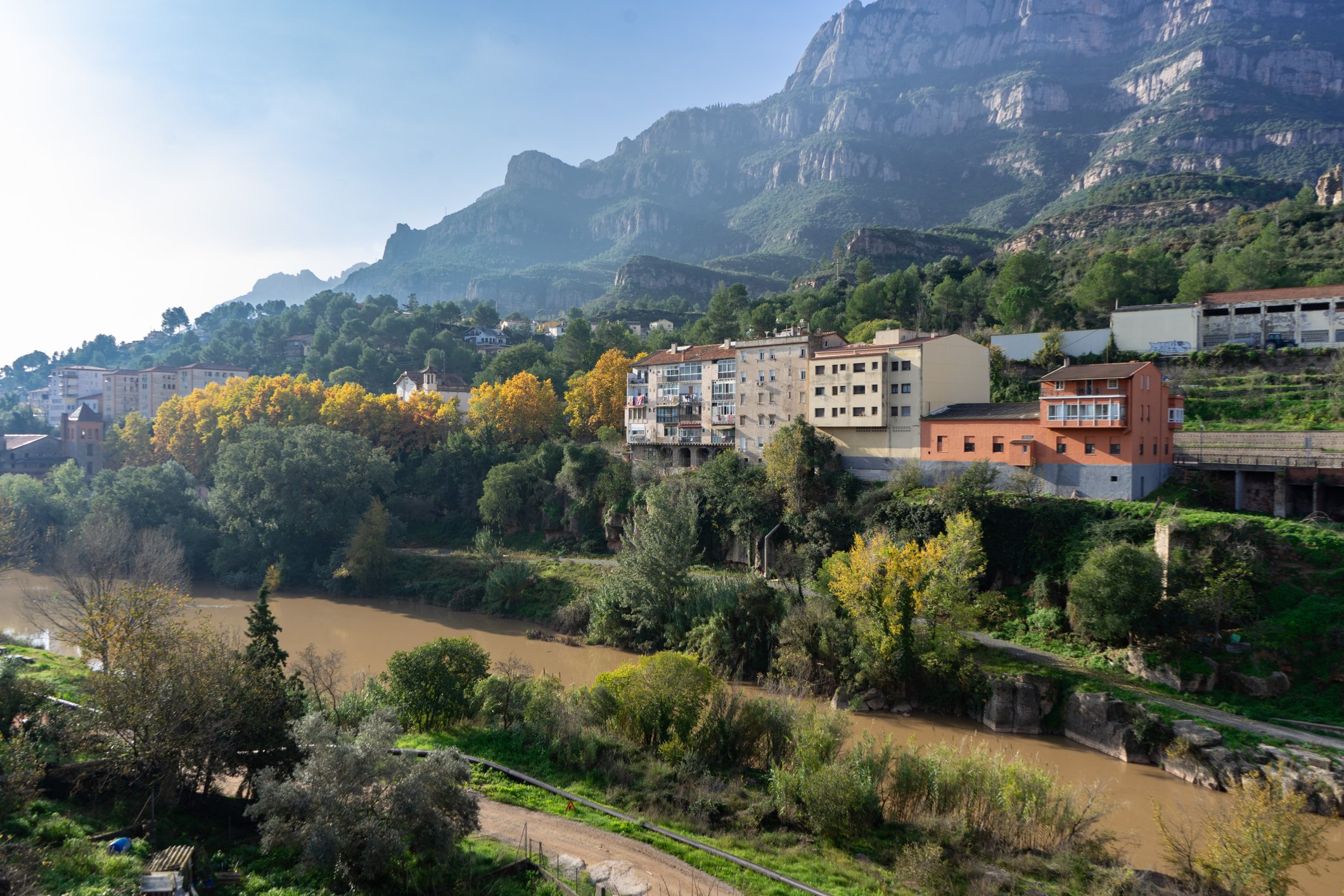
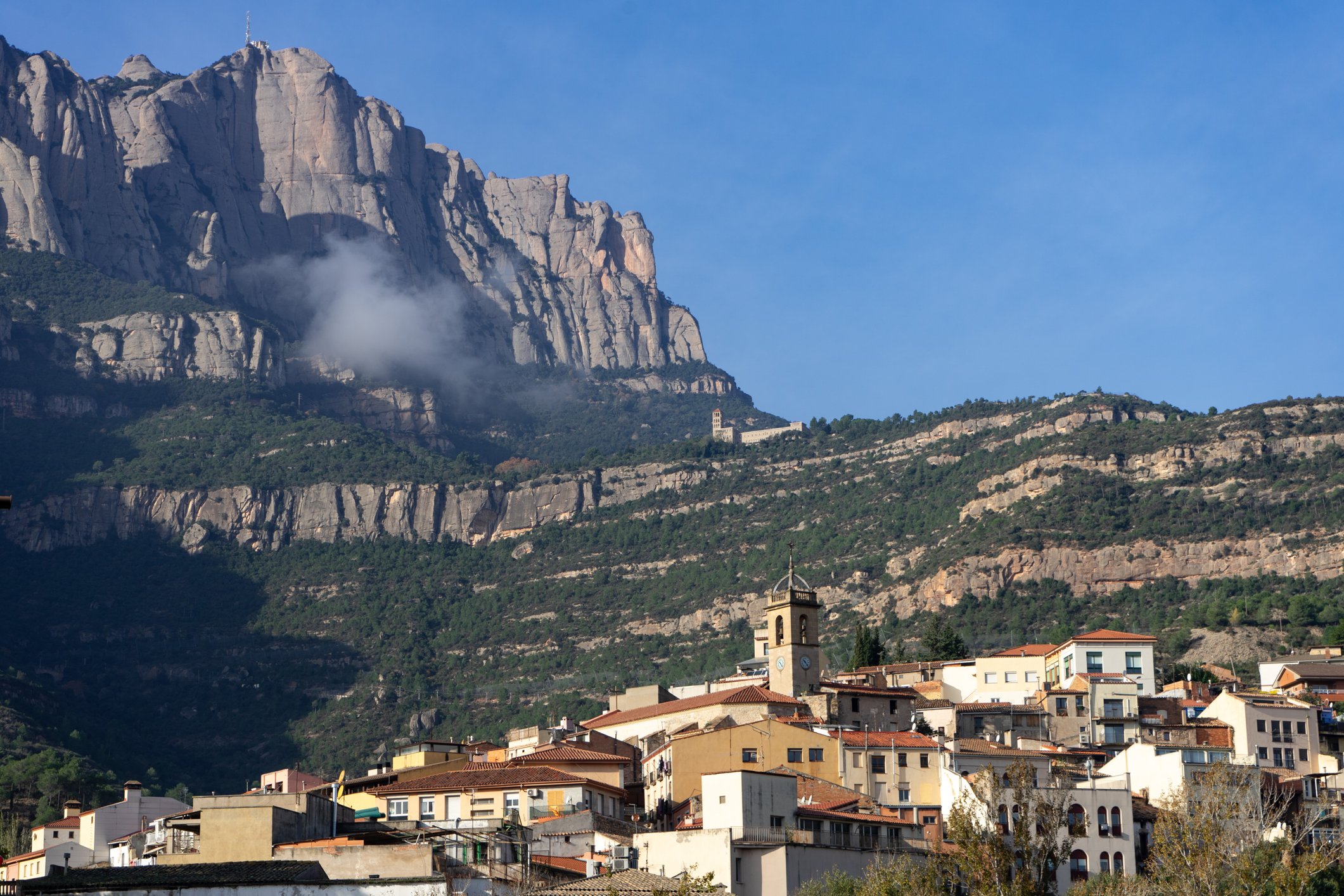
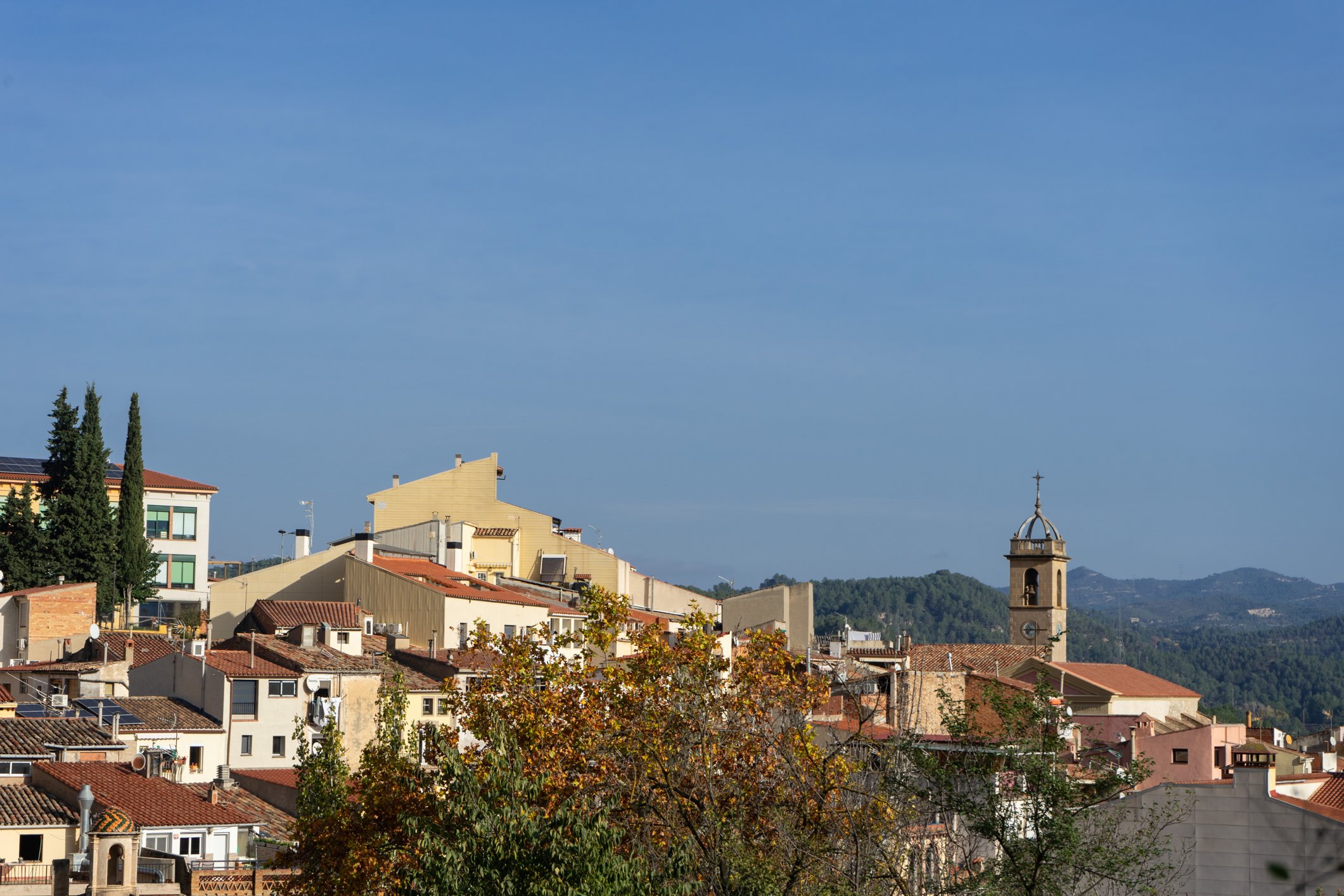
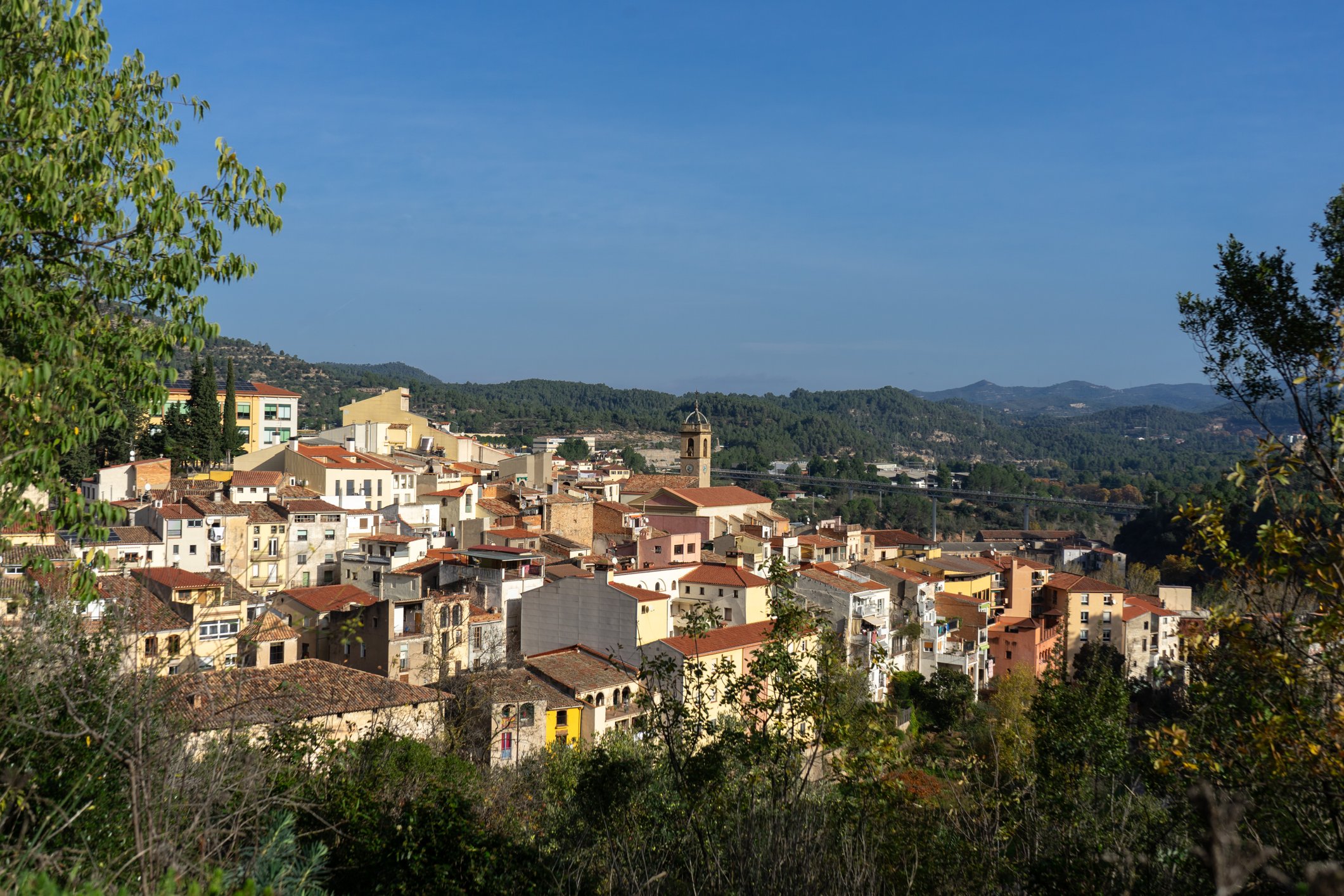
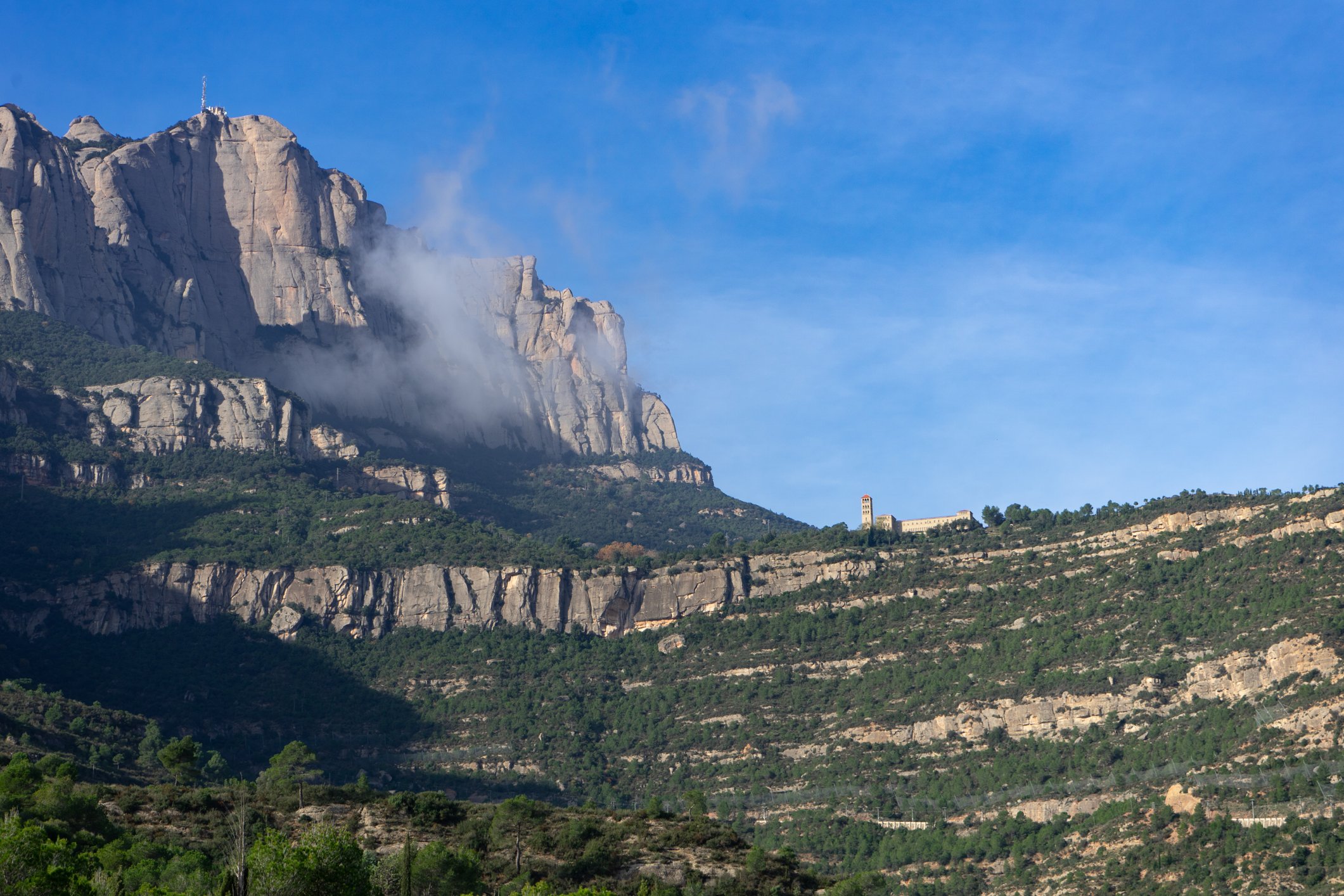
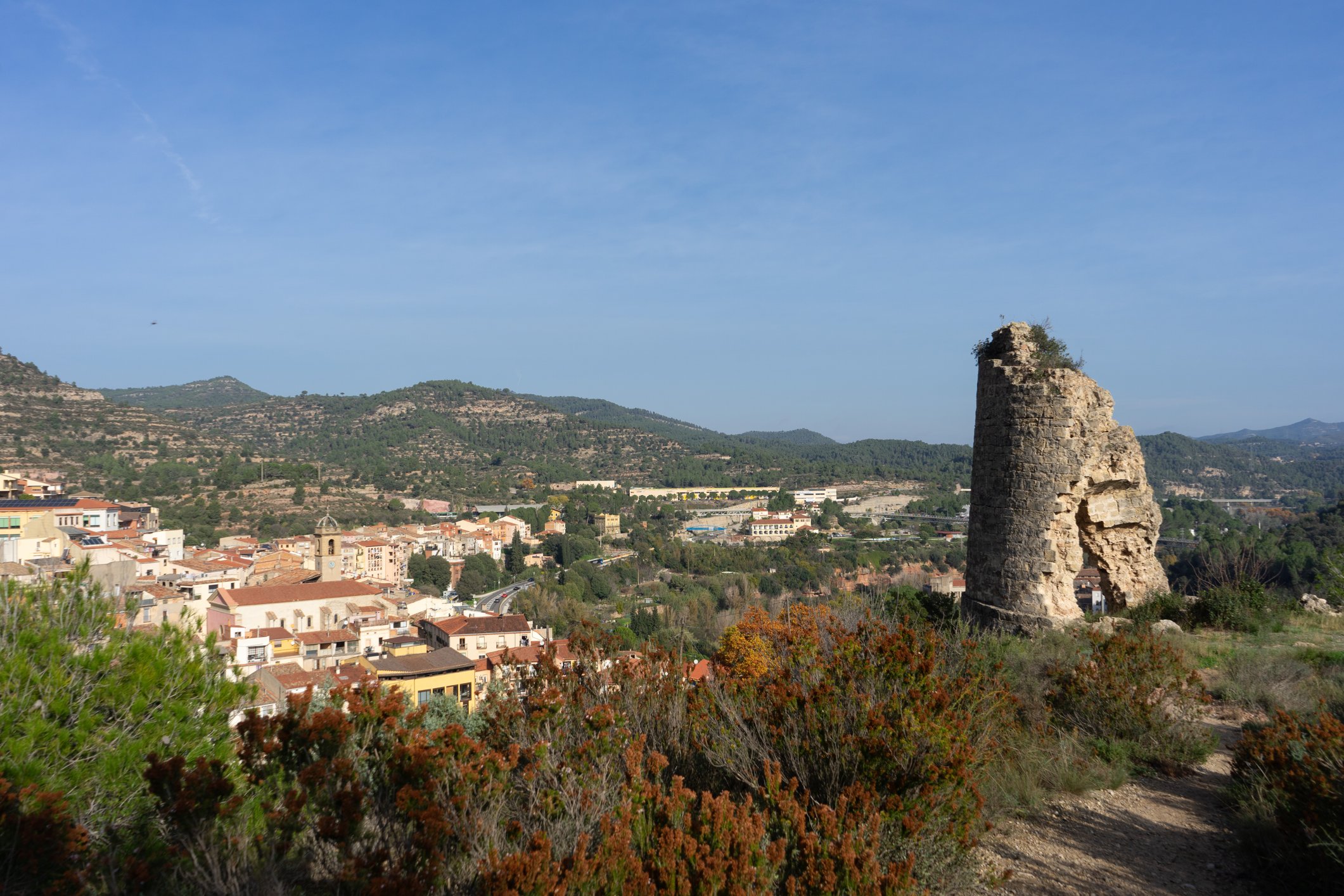
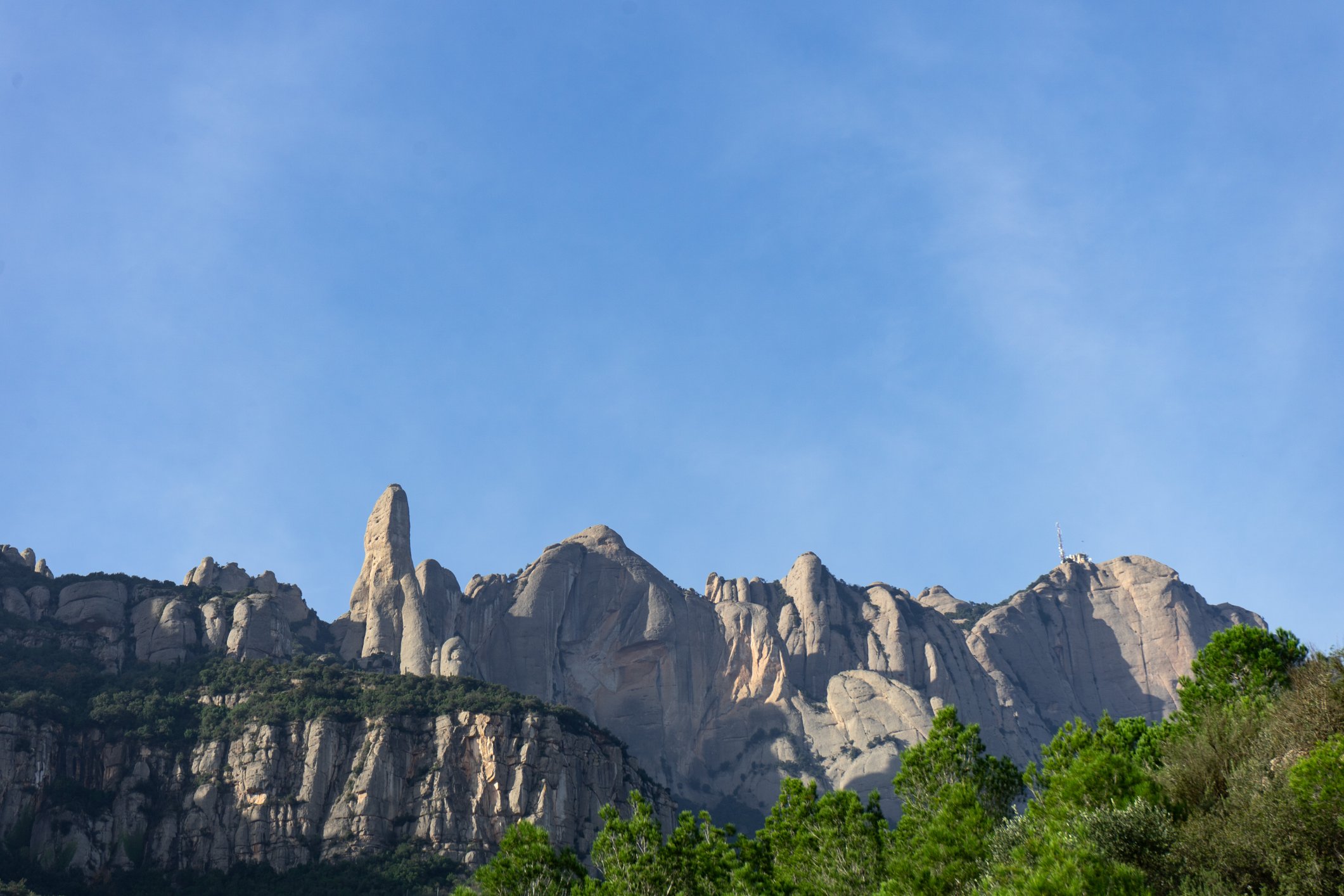
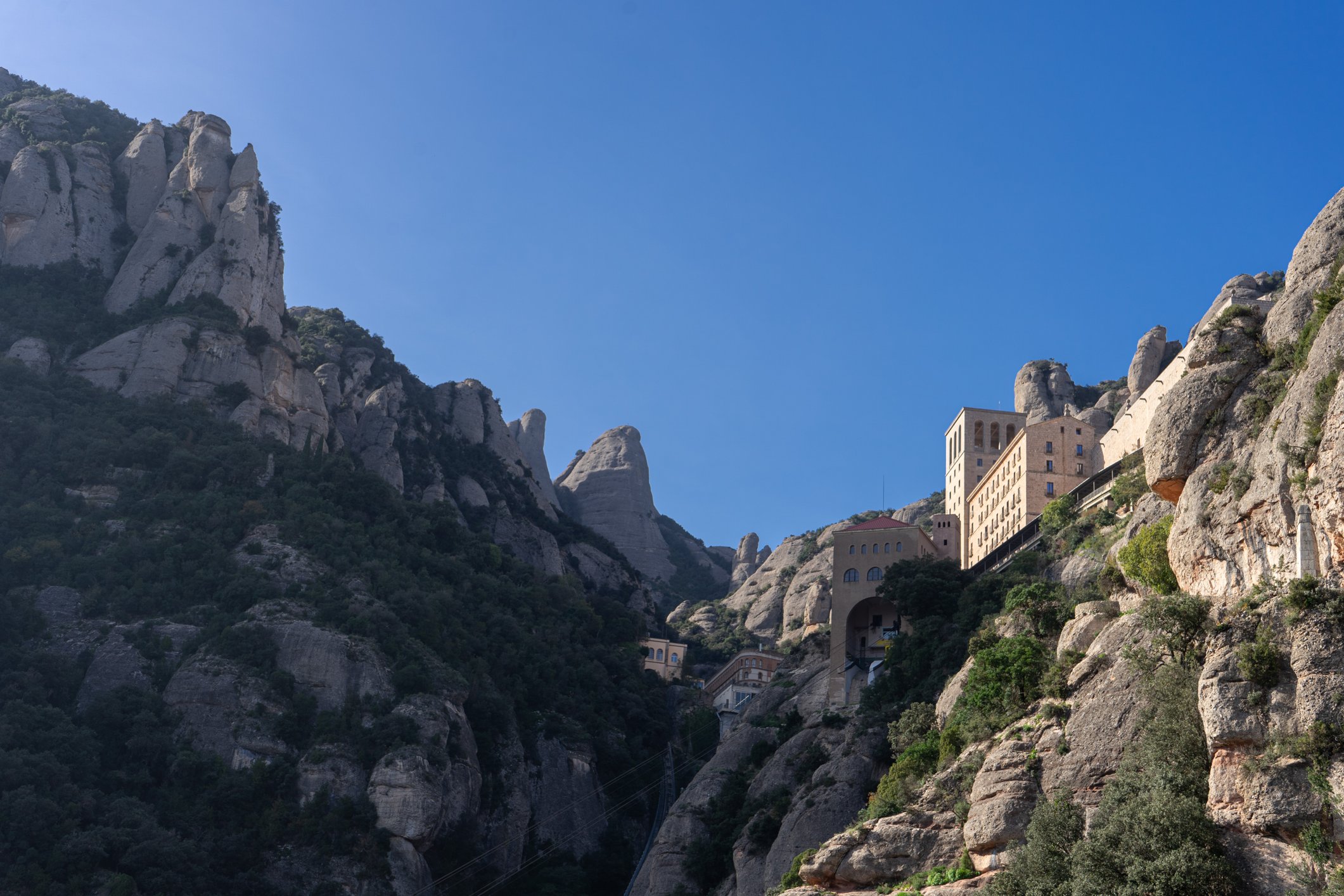
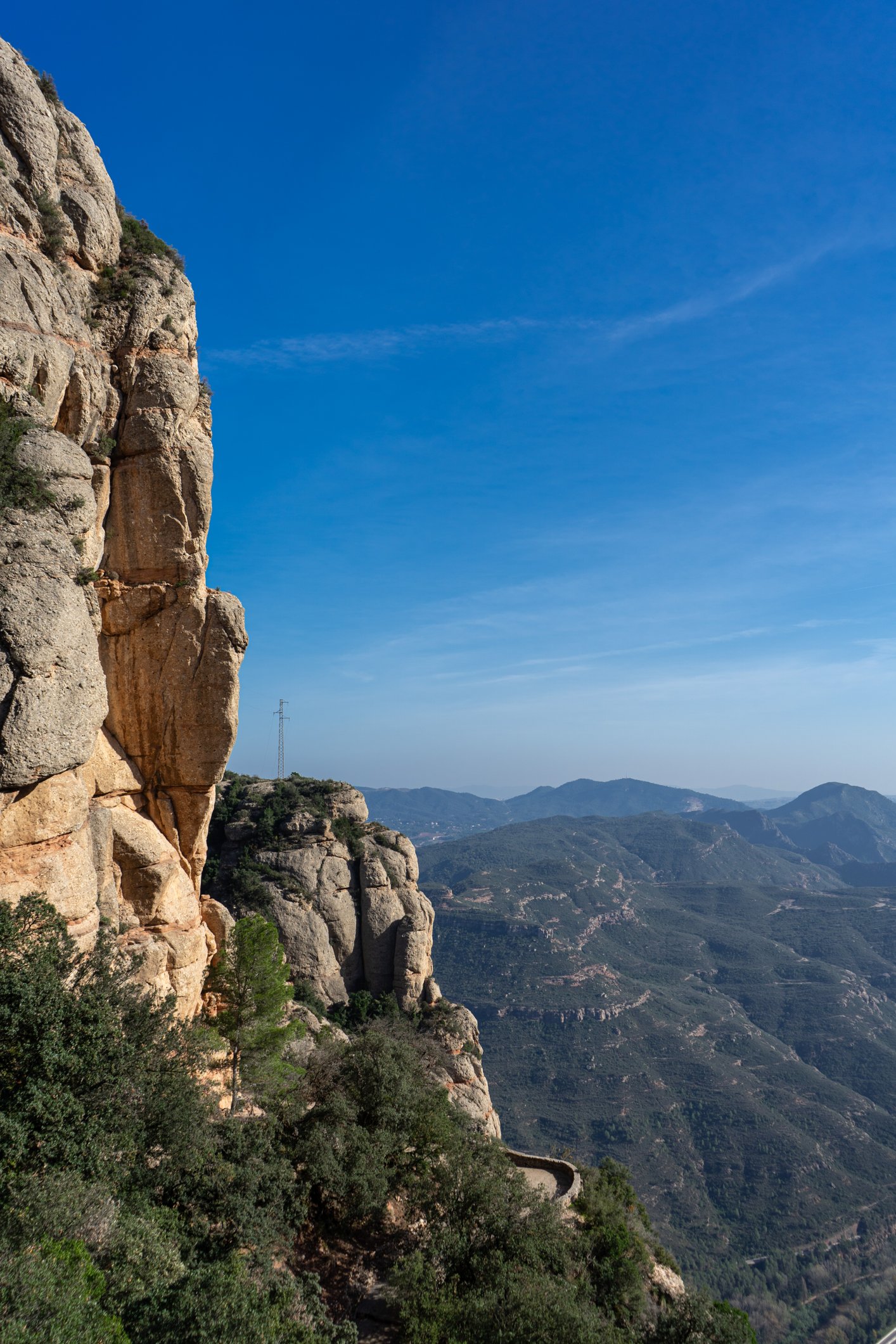
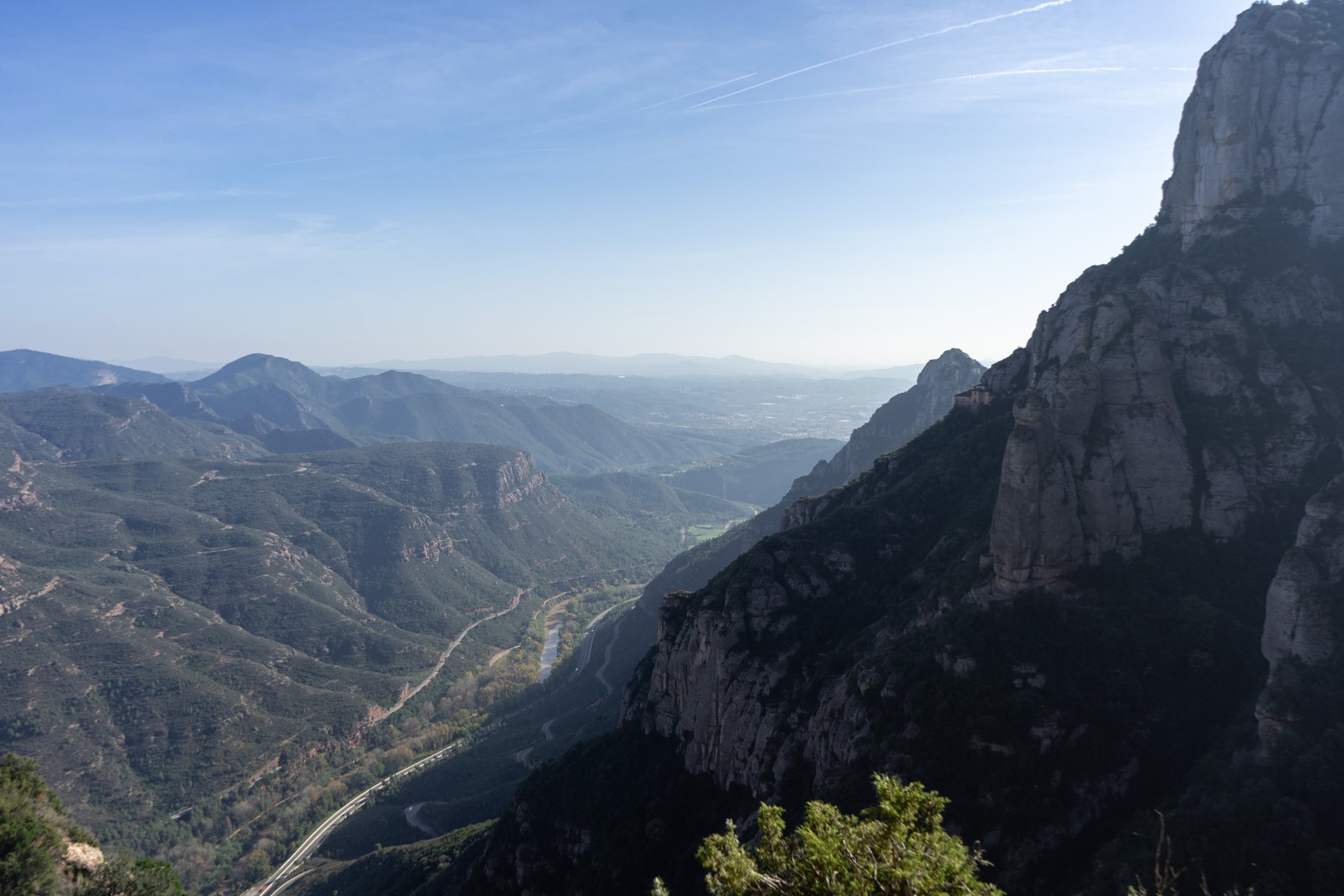
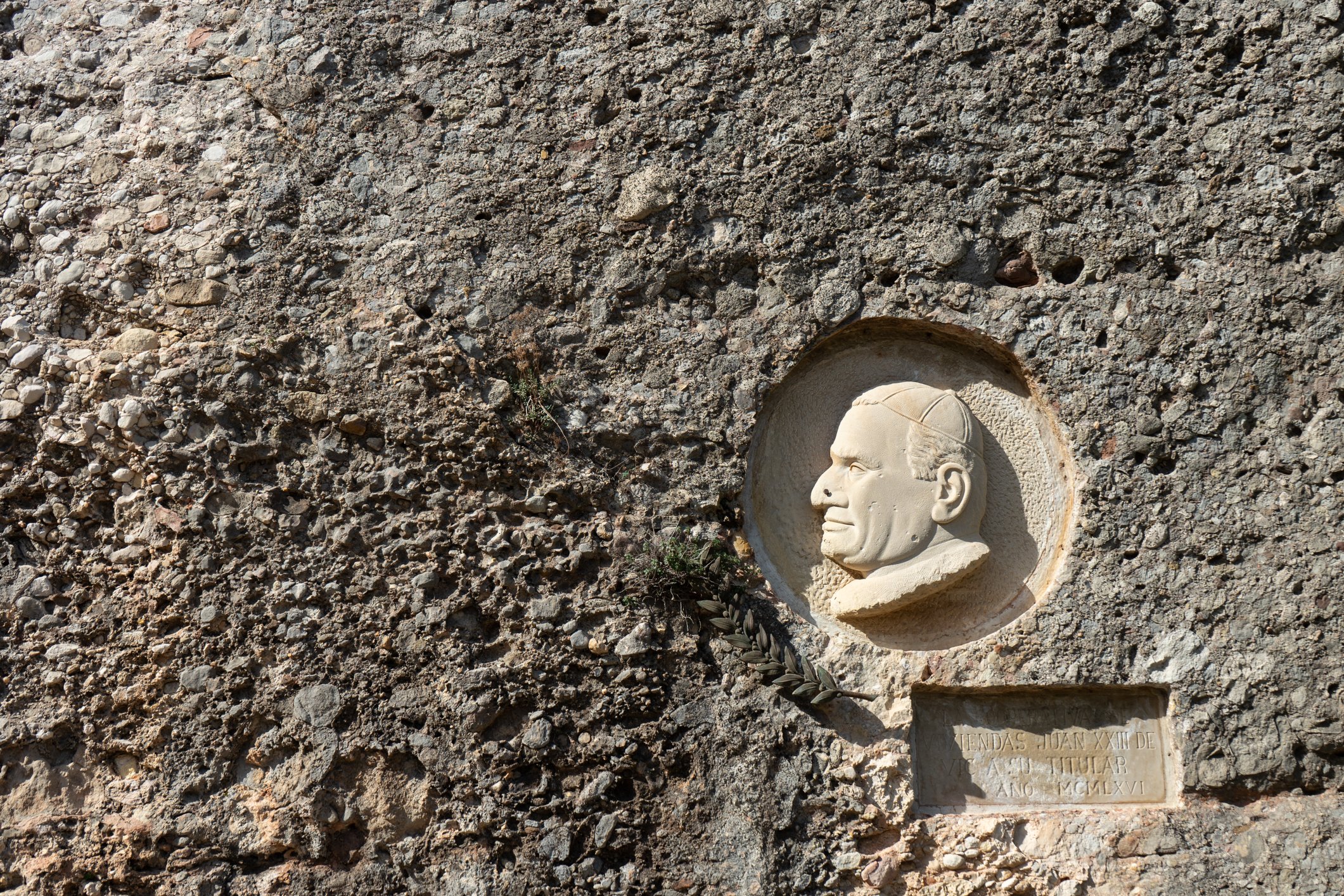
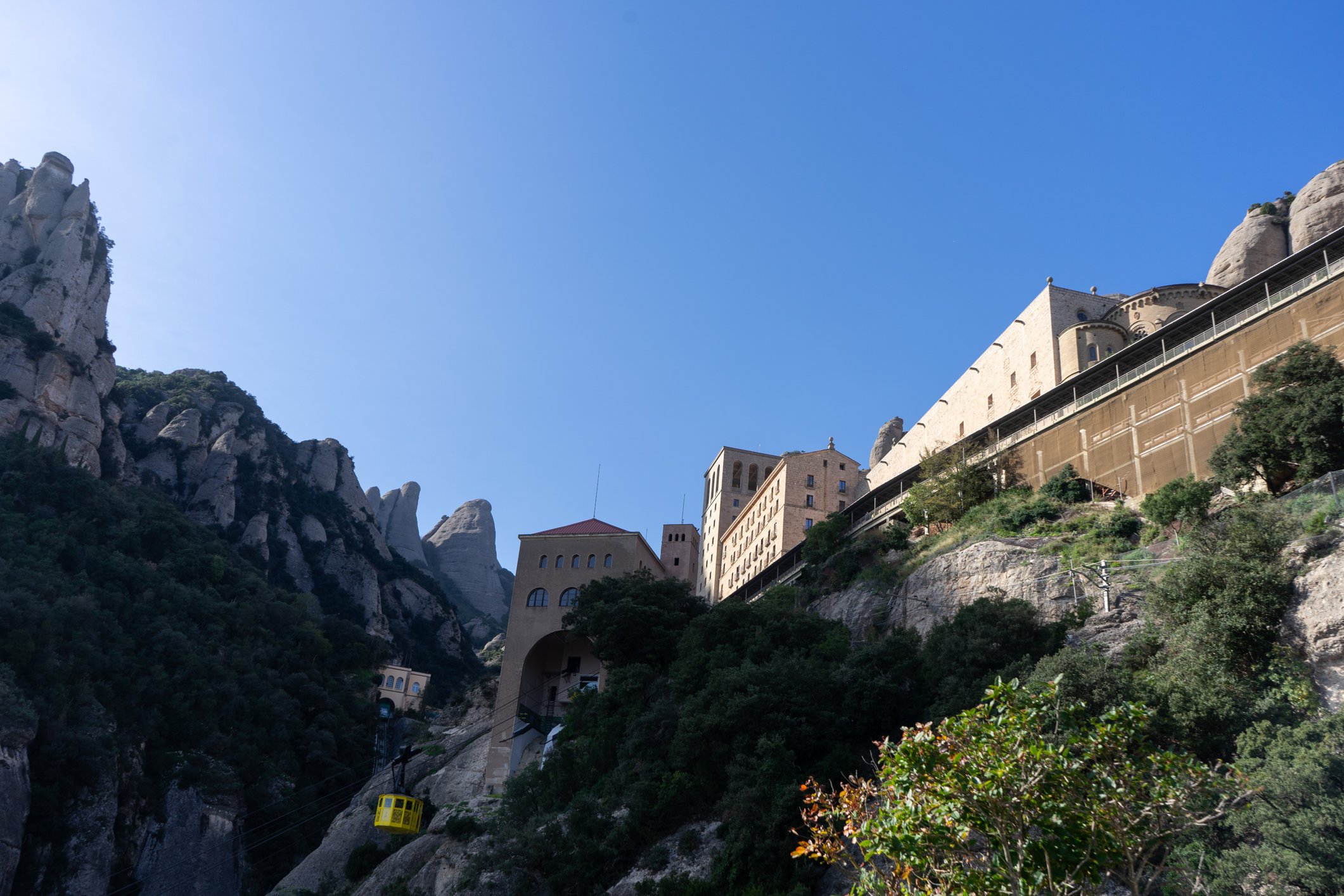
The monastery is interesting from the historical point of view. The place was a sanctuary for intellectuals and any other unwanted elements during the Francisco Franco’s rule.
There is another interesting thing about the monastery. The monastery was visited by Heinrich Himmler in 1940 in the quest of finding the Holy Grail. The Holy Grail is supposed to be a cup from which Jesus Christ was drinking during the last supper. It sounds like a scene from Indiana Jones to me!
When you walk up, you can use either a cable car or a rack railway train service to go down. Timetables are posted on the walls at the boarding stations. There is also a restaurant and a souvenir shop at the top of the hill.
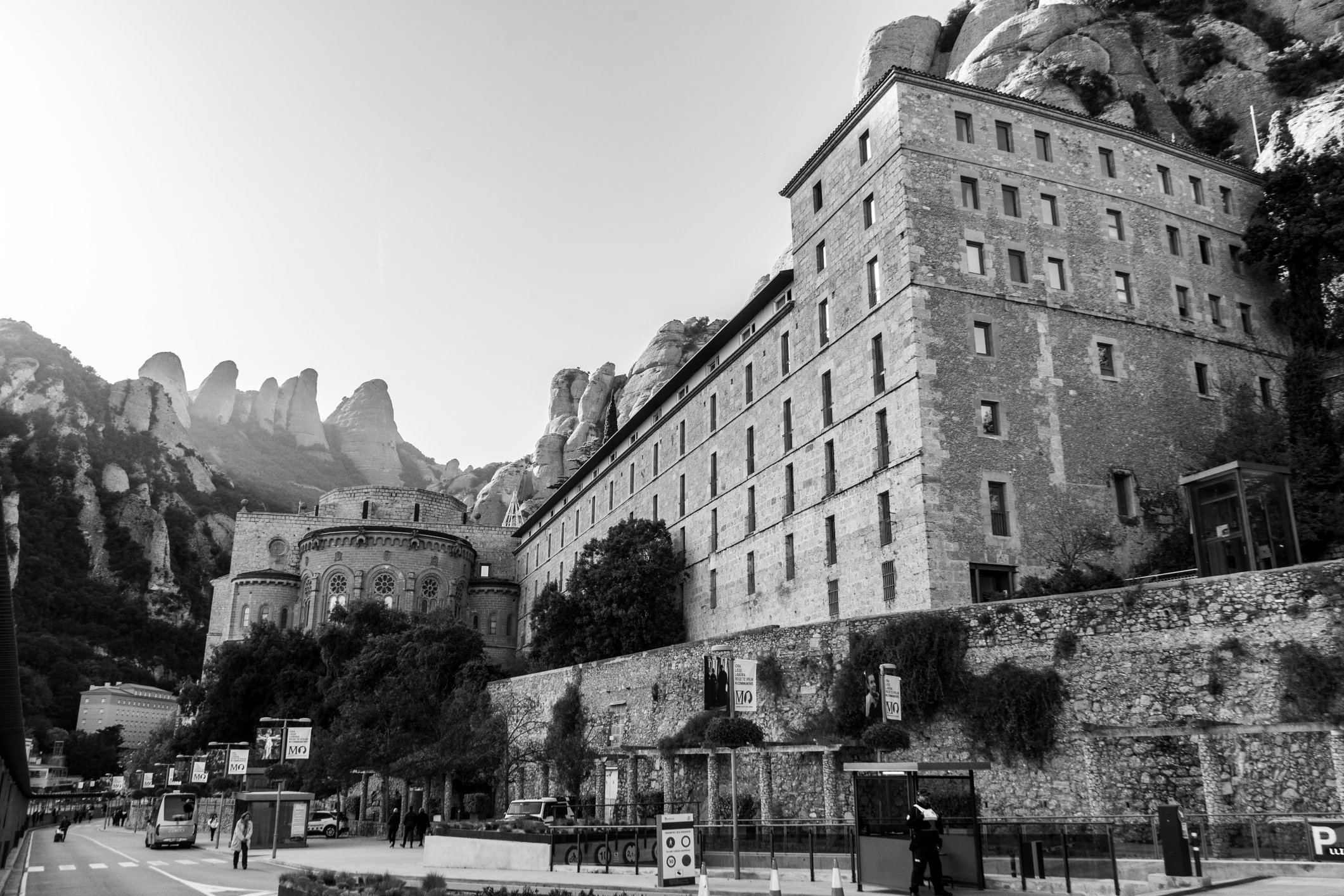
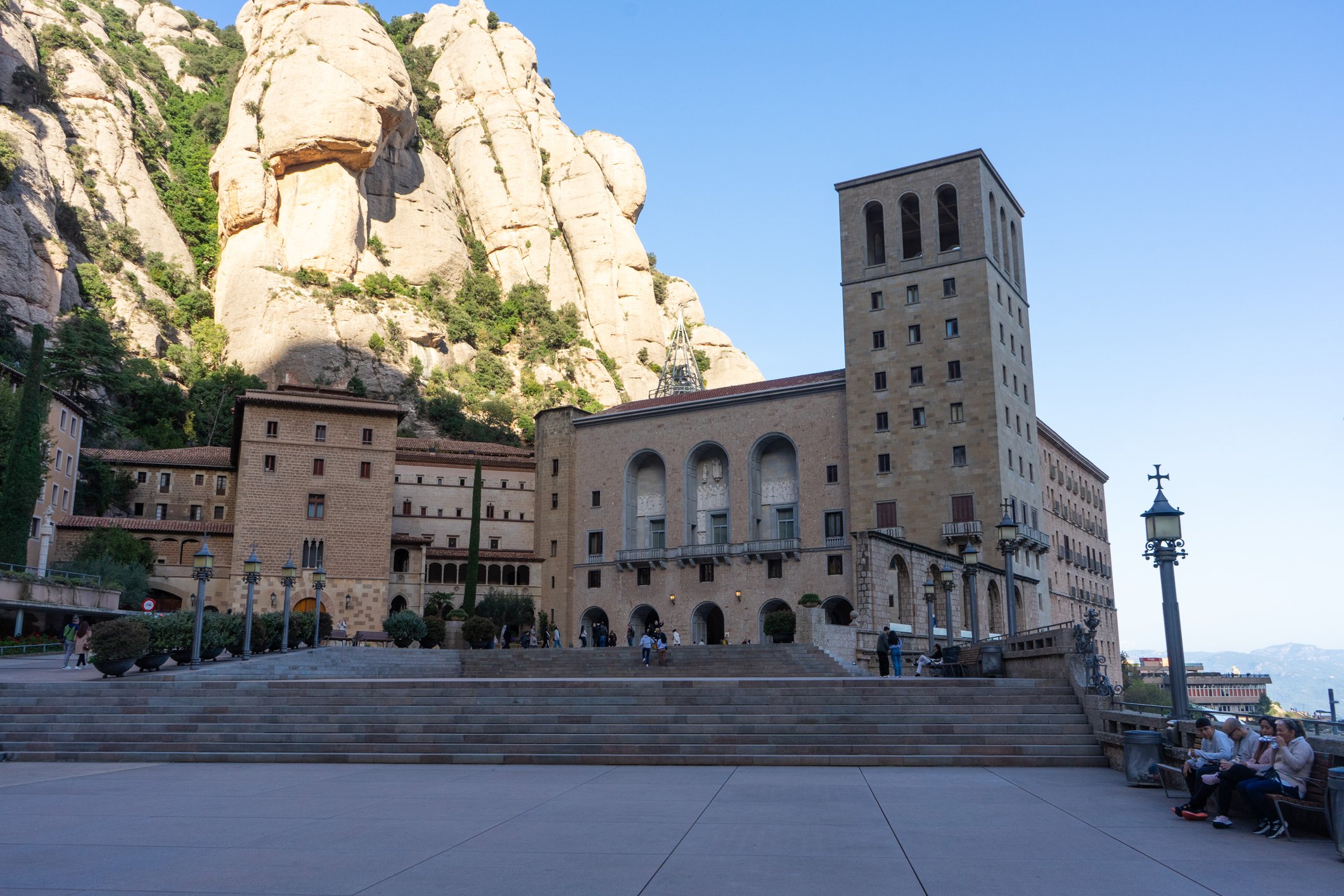
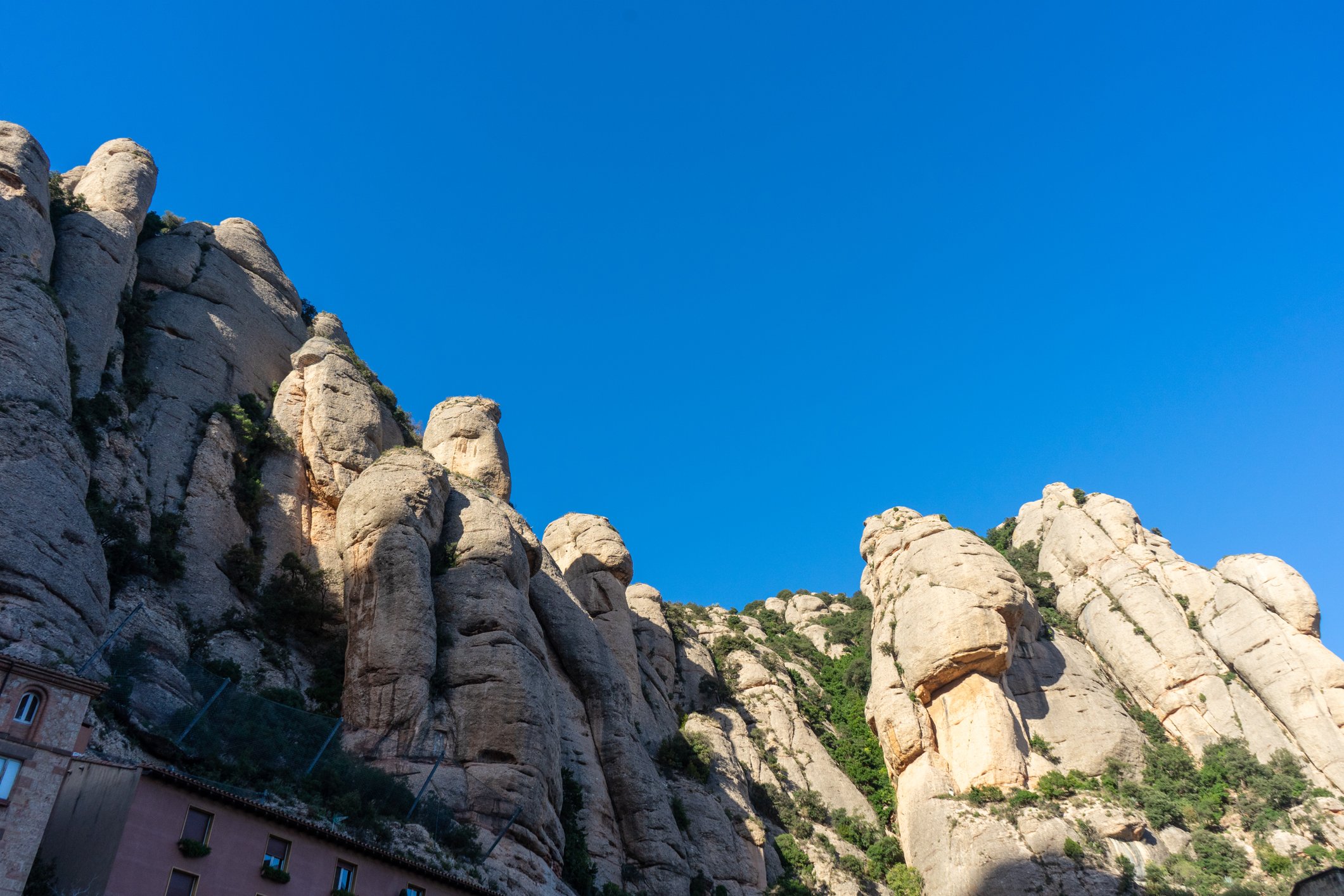
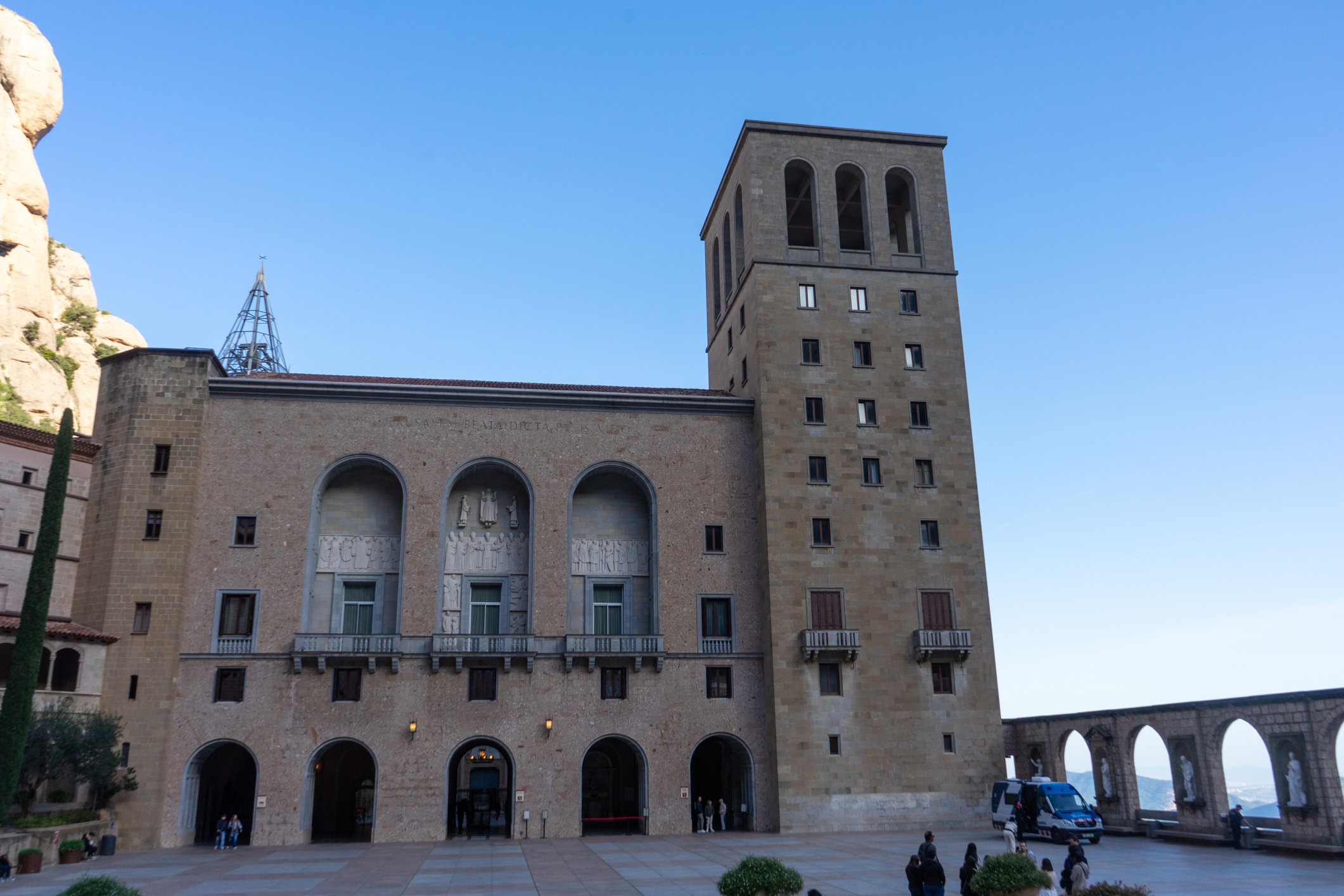
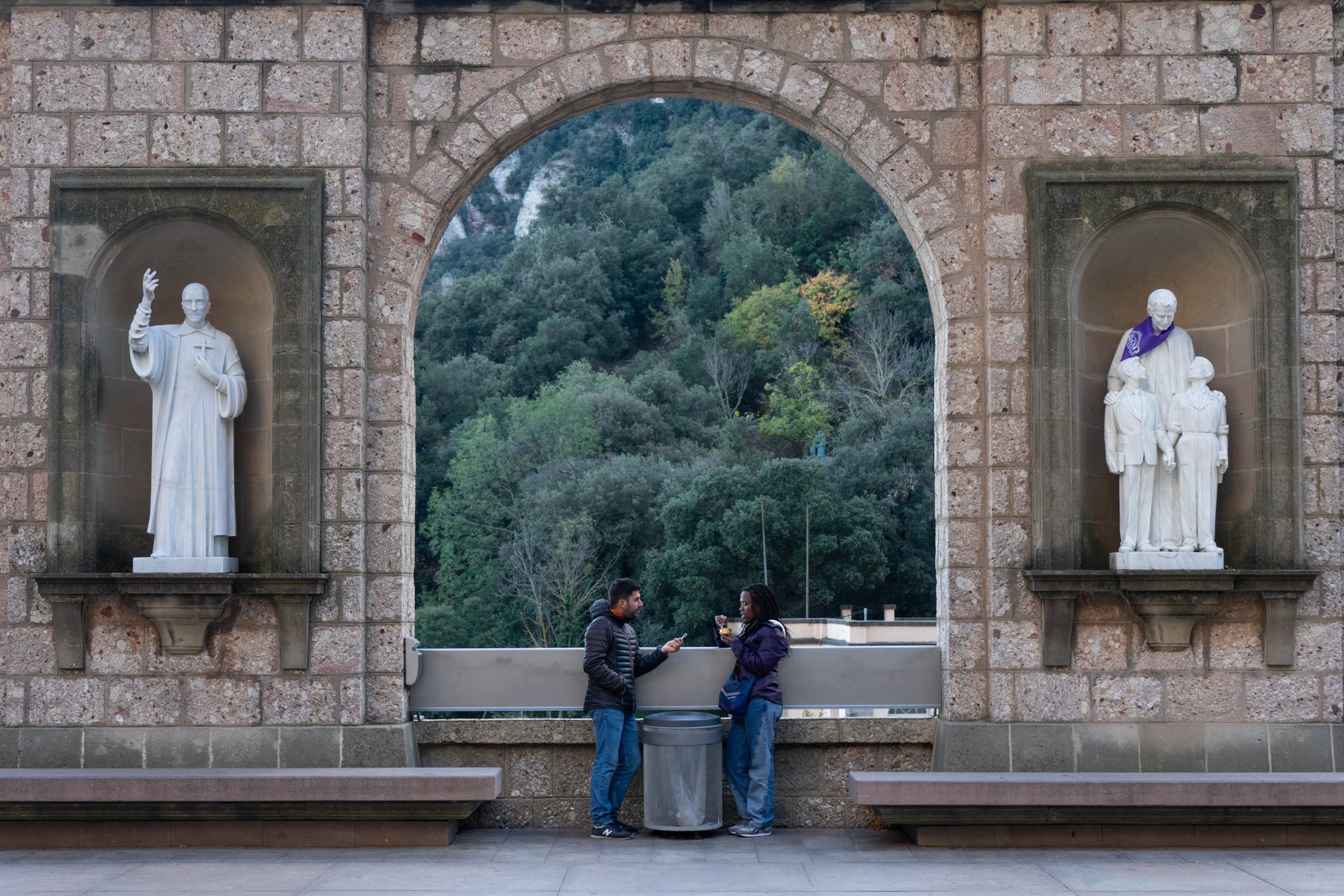
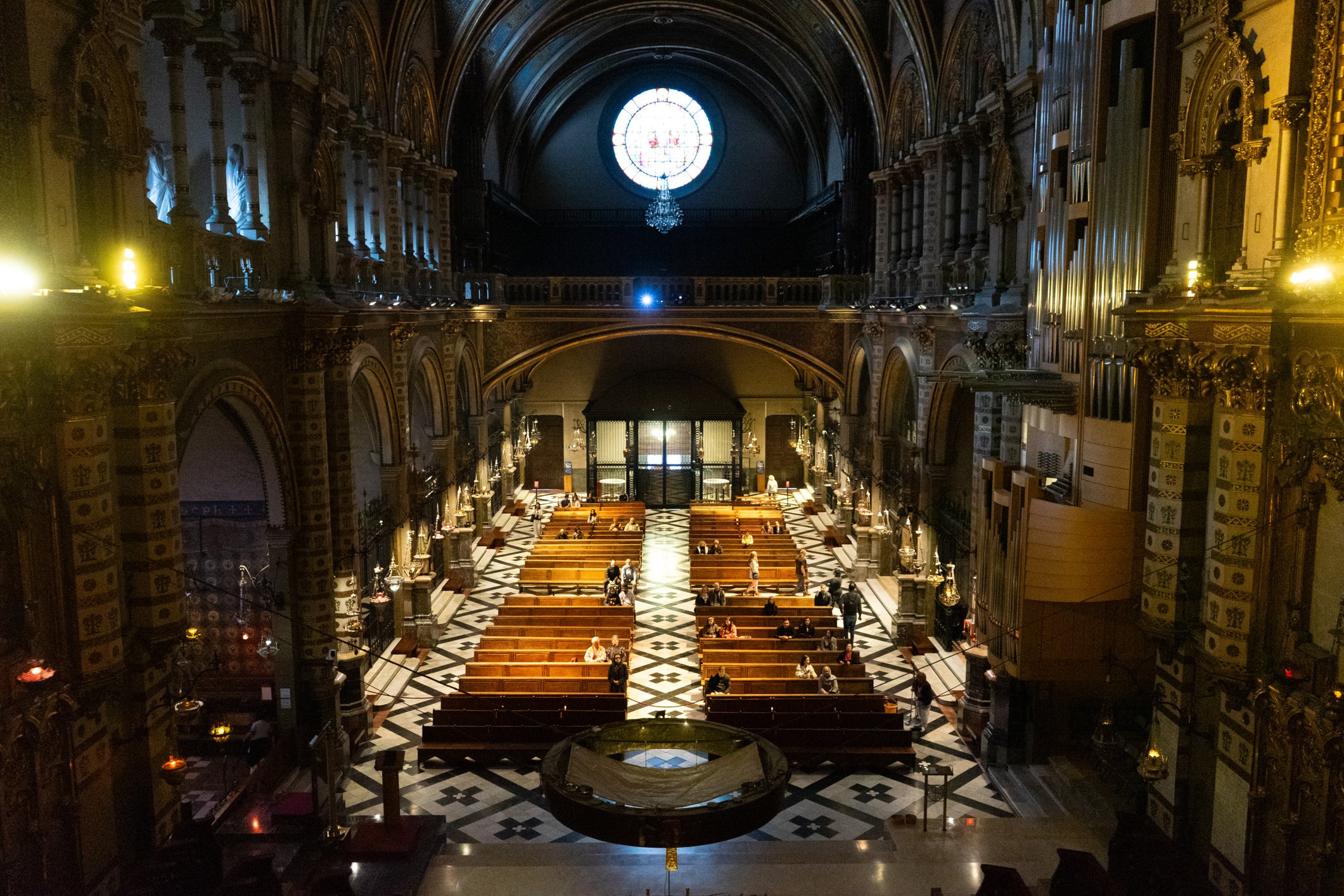
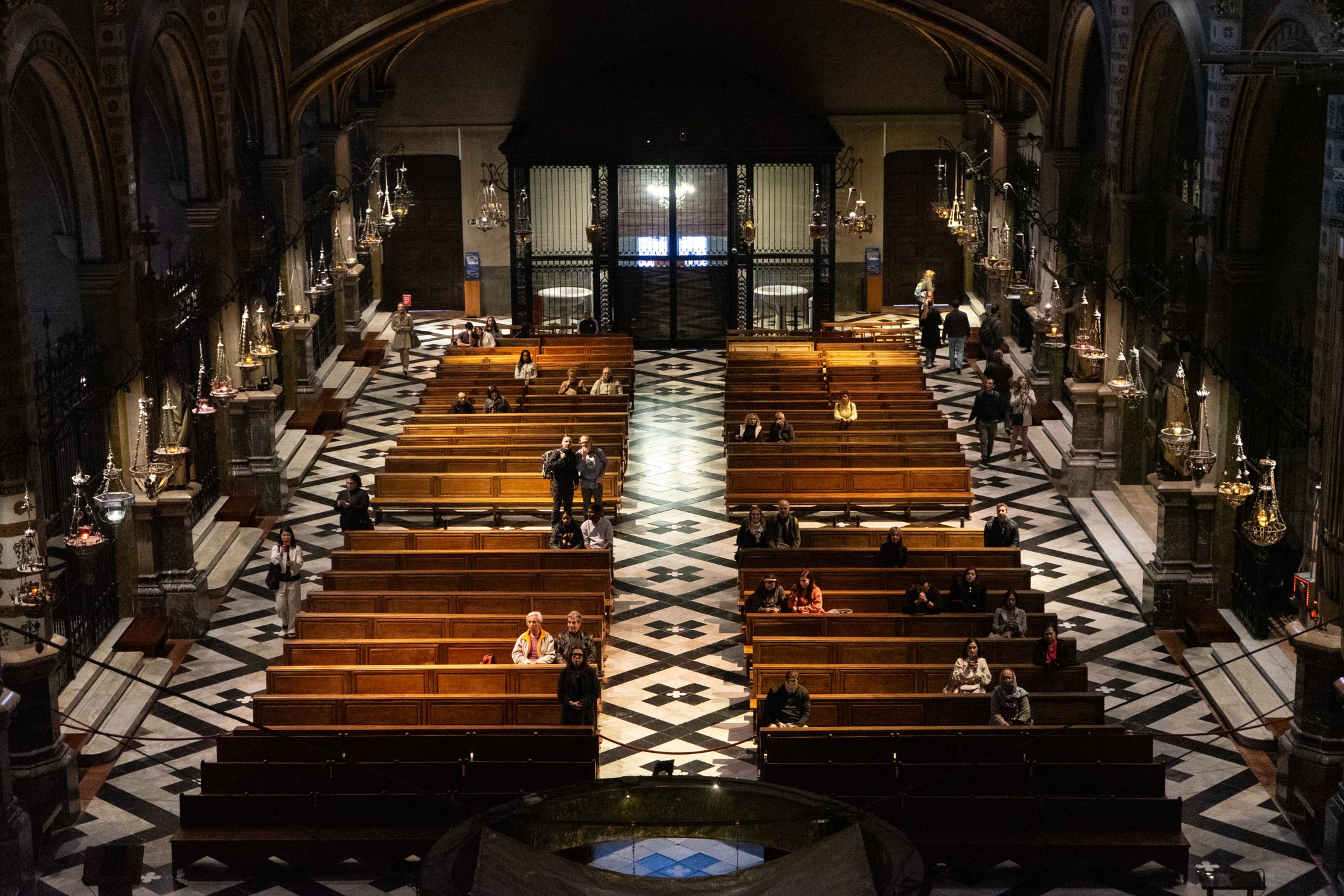
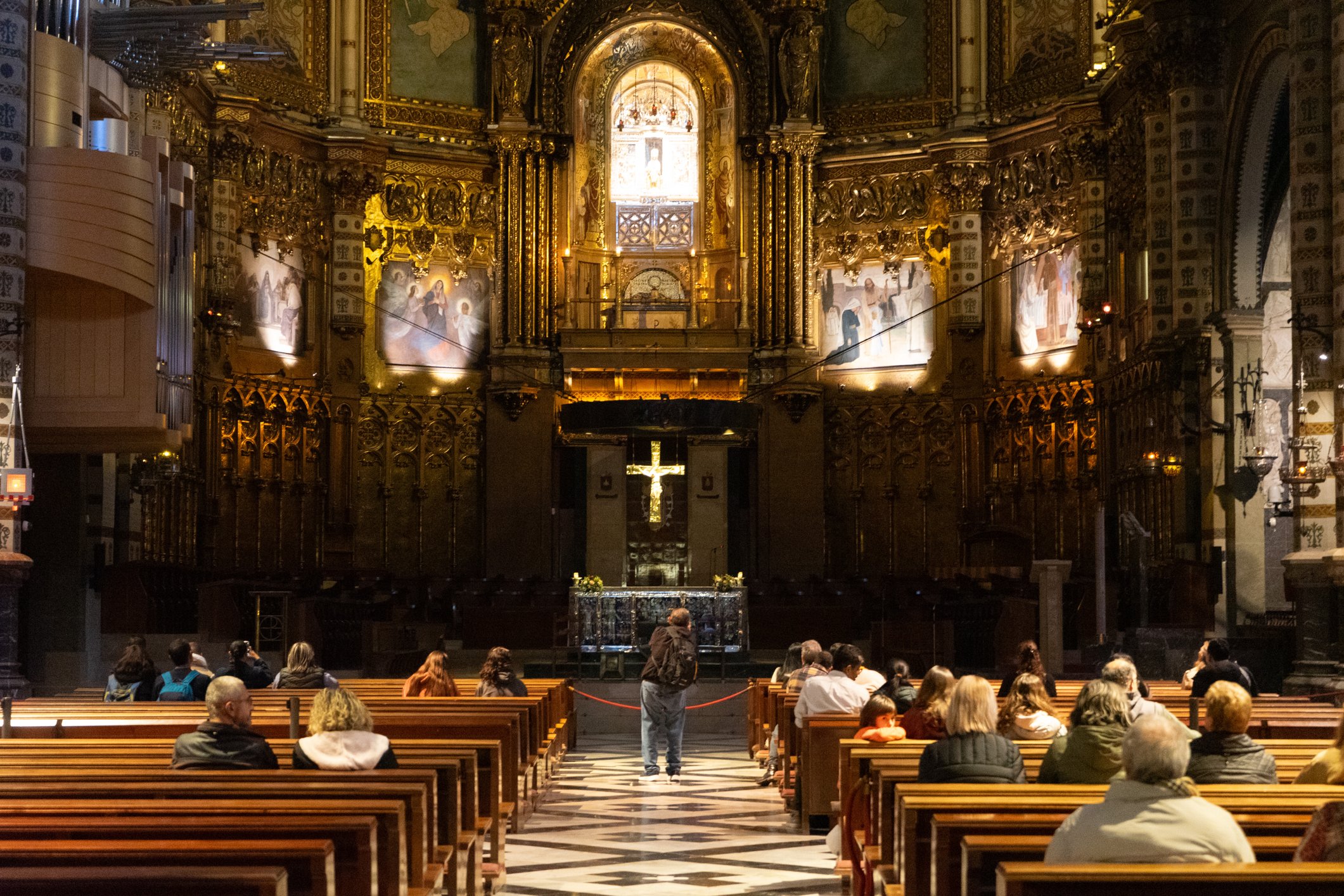
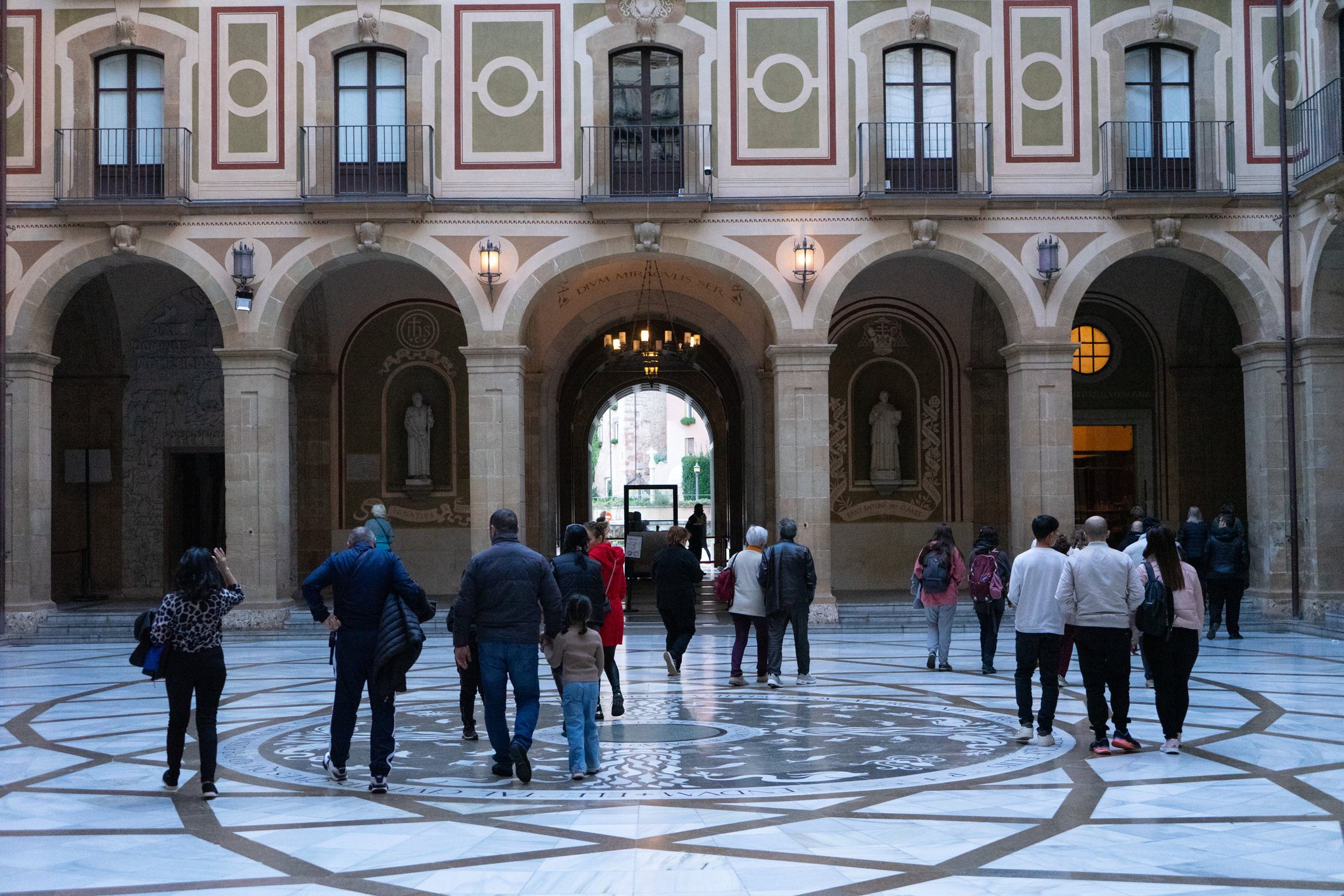
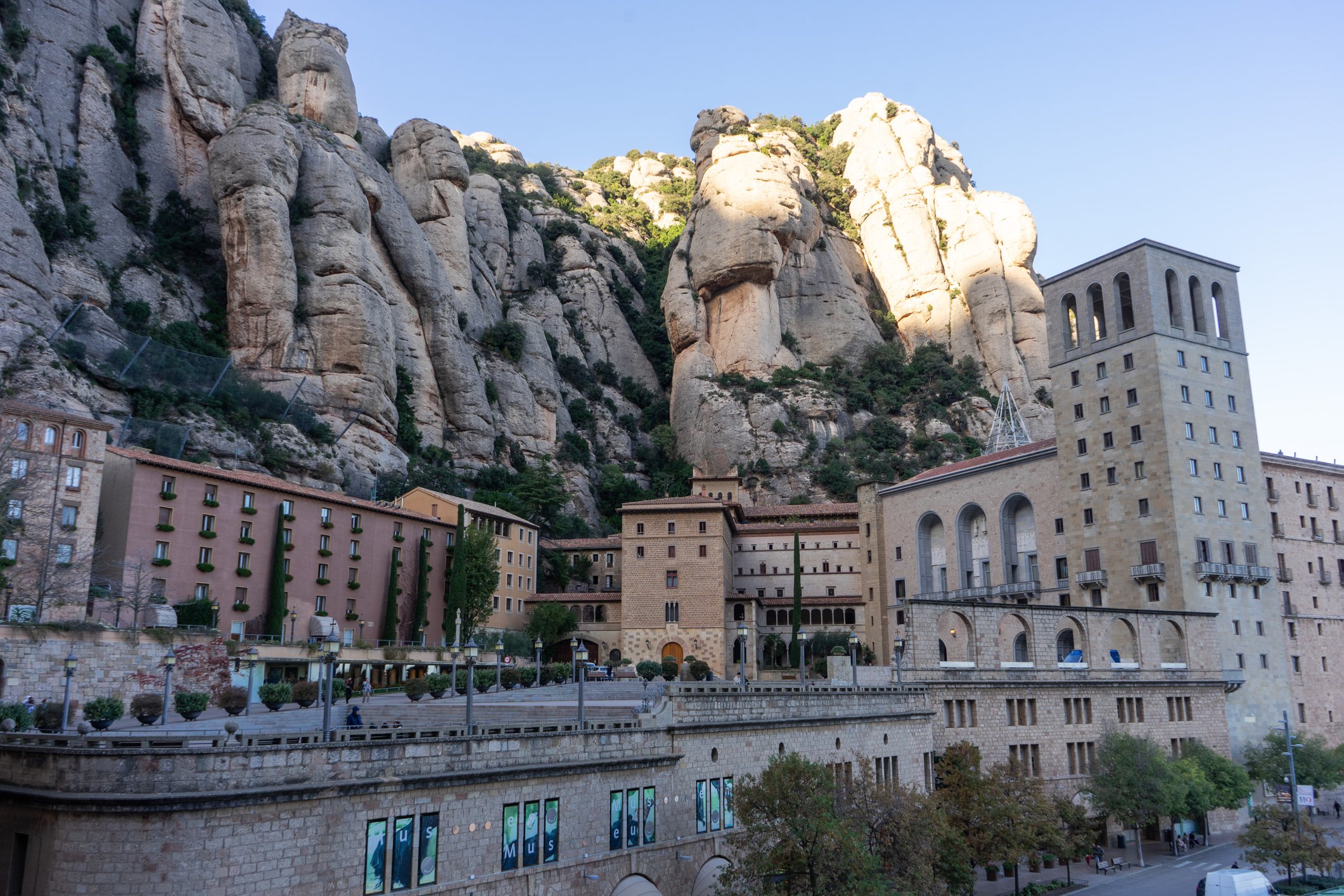
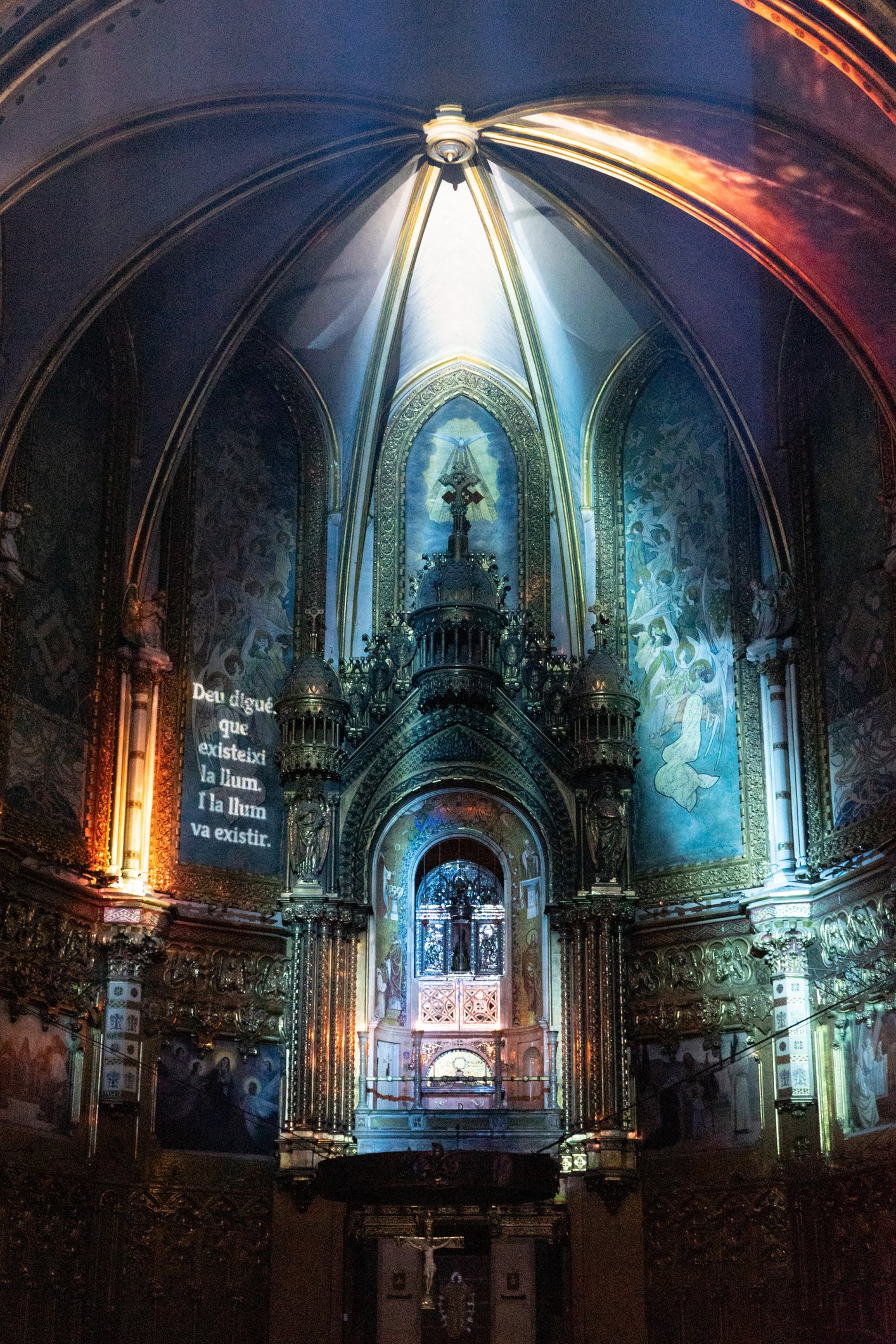
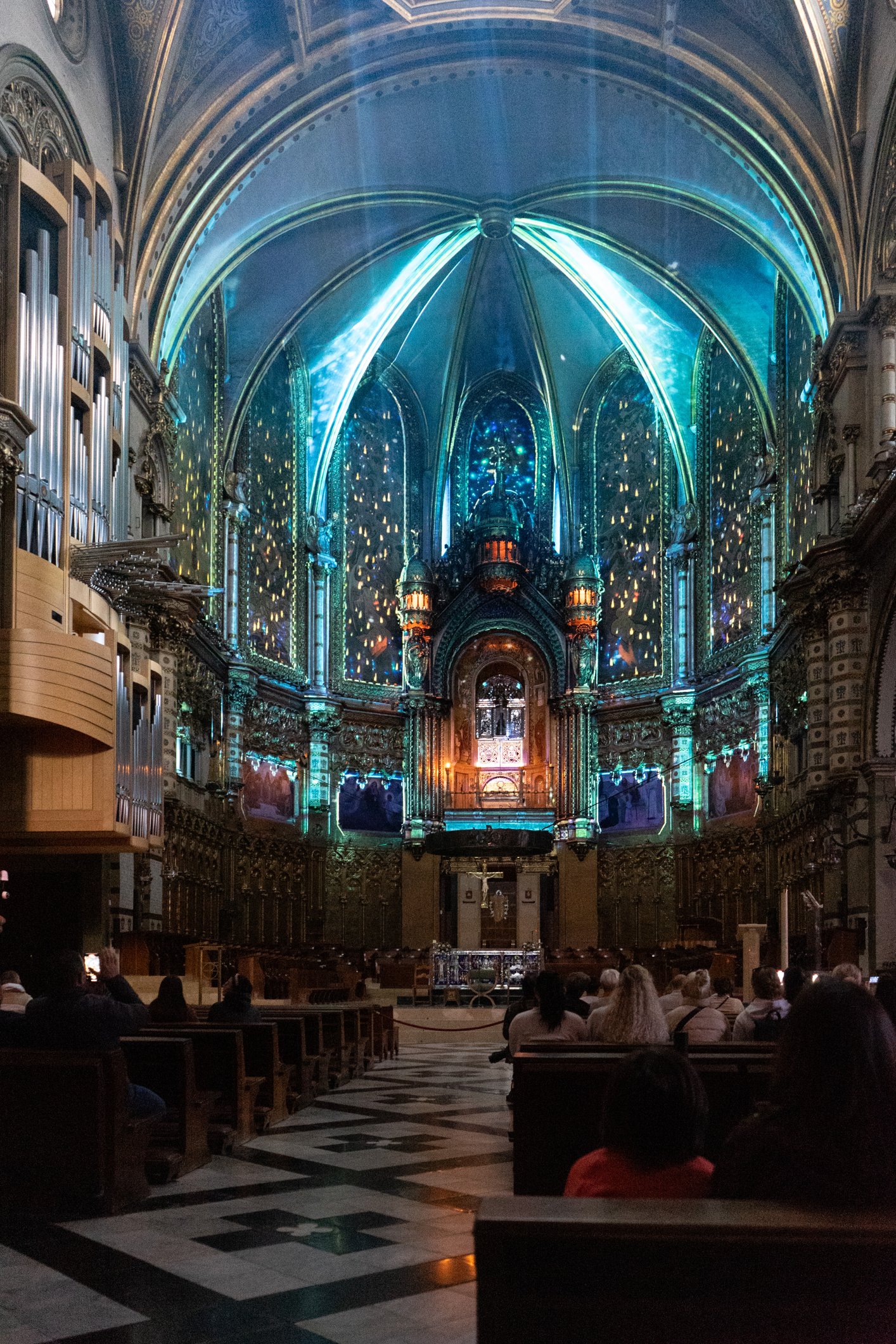
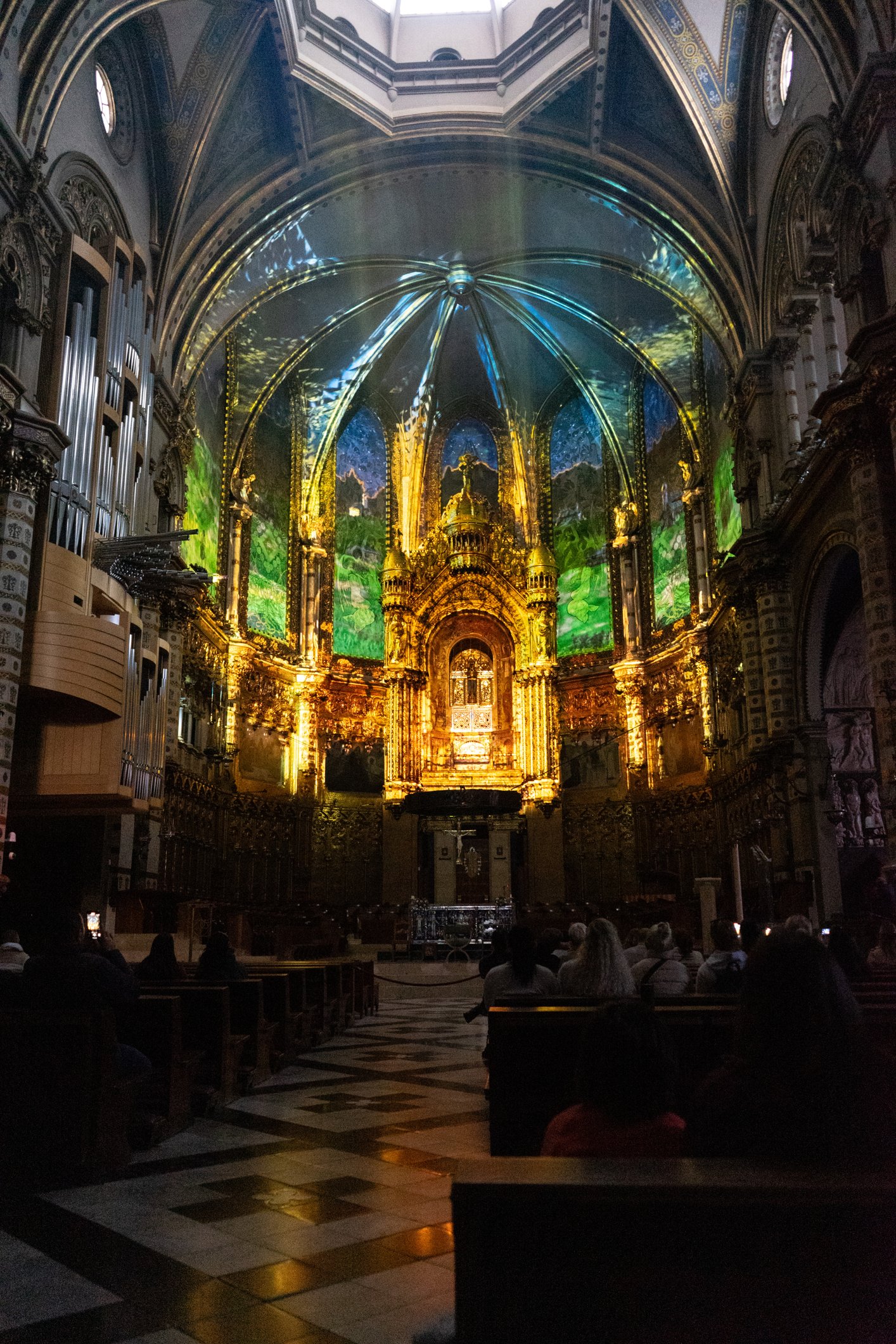
When you enter the monastery, there is a sound and visual show projected on the walls and an altair of the monastery. The spectacle is impressive.
Cheese Mató is produced in villages under the hill. It is made out of goat / sheep milk. It is very similar to Ricotta. It is served with honey and has a very refreshing taste and is easily digestible.
The cheese was sold by local women to the monks and is still sold to them nowadays. The women had a monicker matonaires. They went up to the monastery by foot each morning. They sold not only cheese but other products as fruit, vegetables, fowl and rabbits to the monks. The right to sell was handed down from one generation to another.
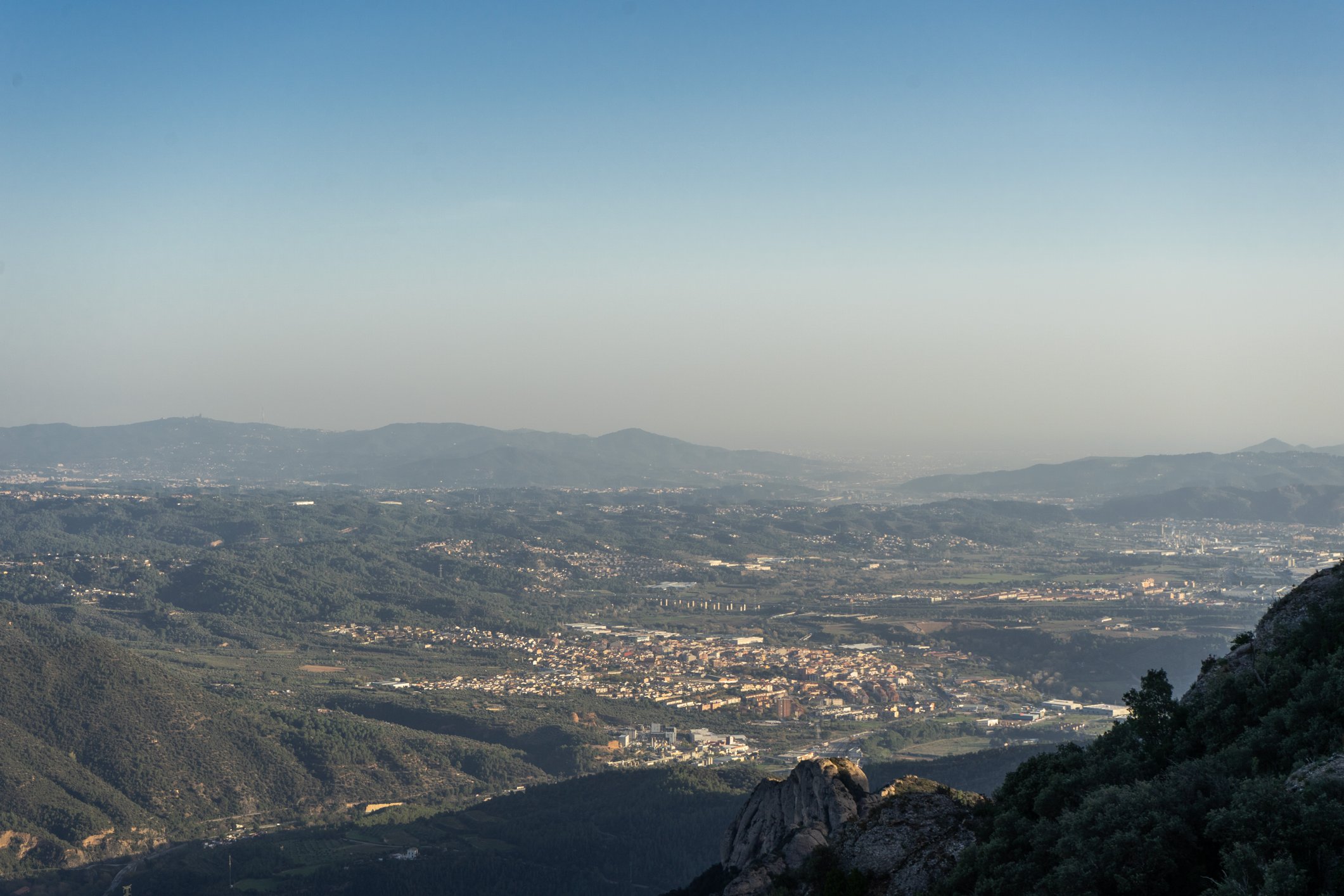
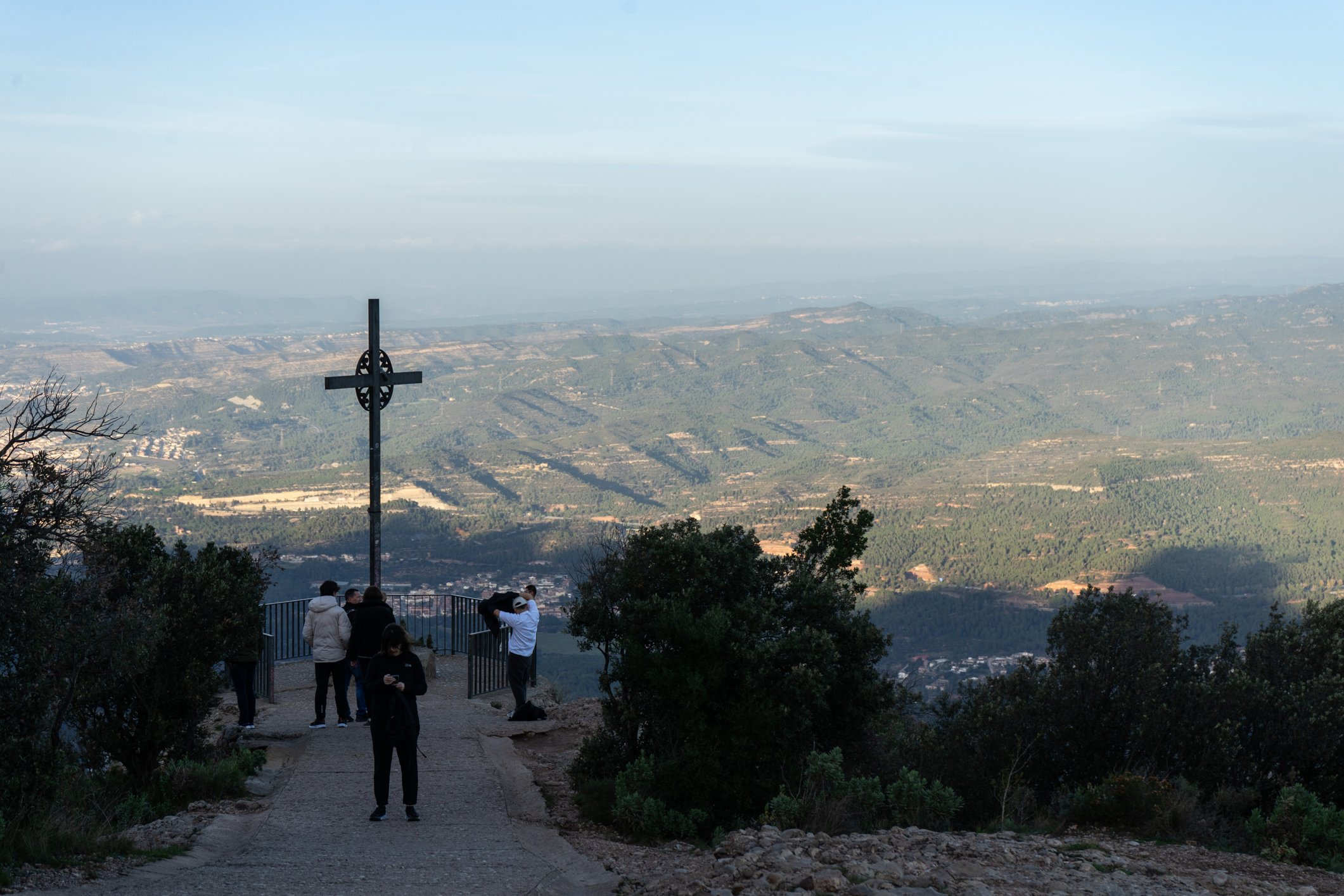
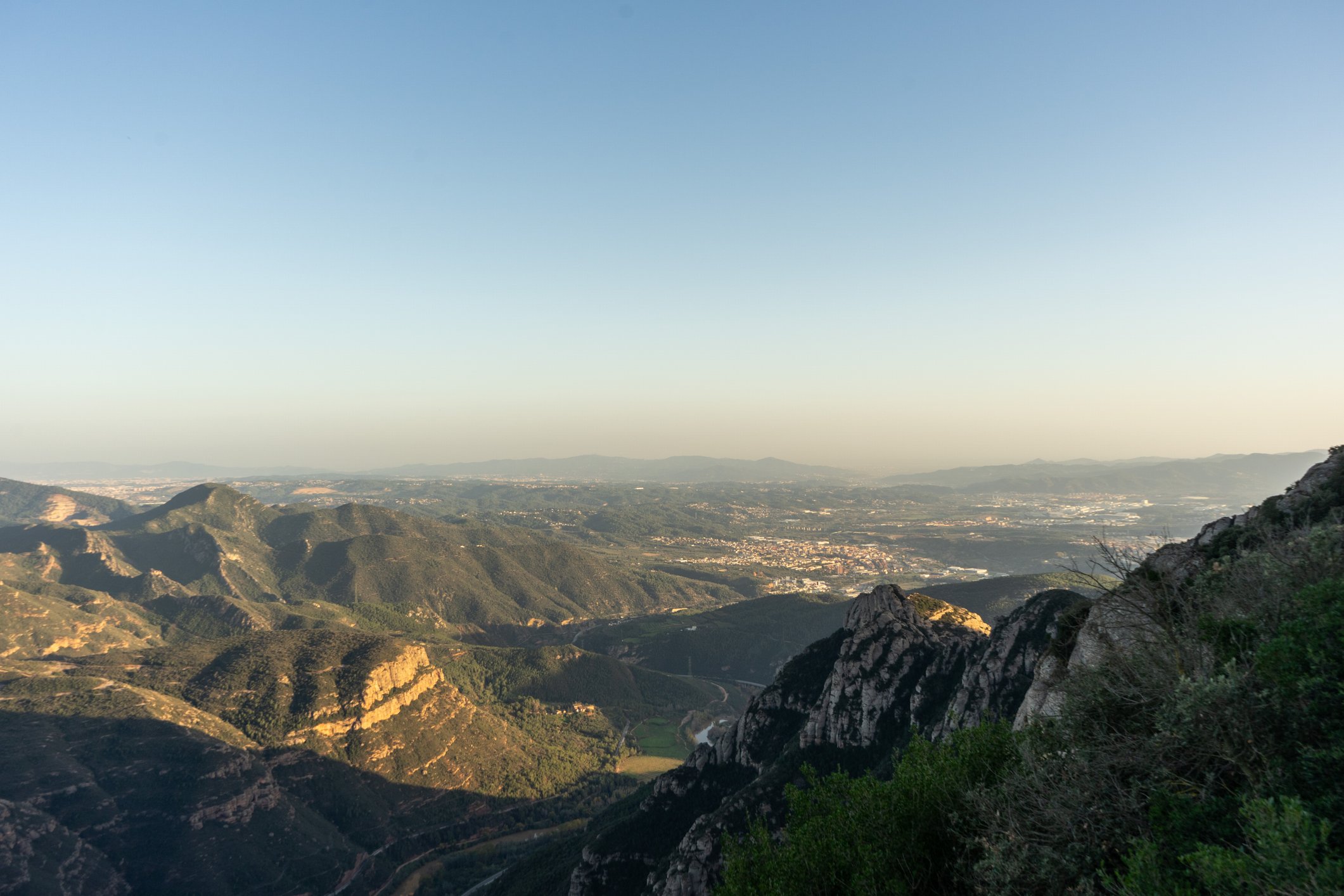
You can walk up 1,5 km by foot to a vantage point Creu de Sant Miquel. It is possible to catch a sight of the whole monastery from this point. It is very good for taking photographs.
Girona
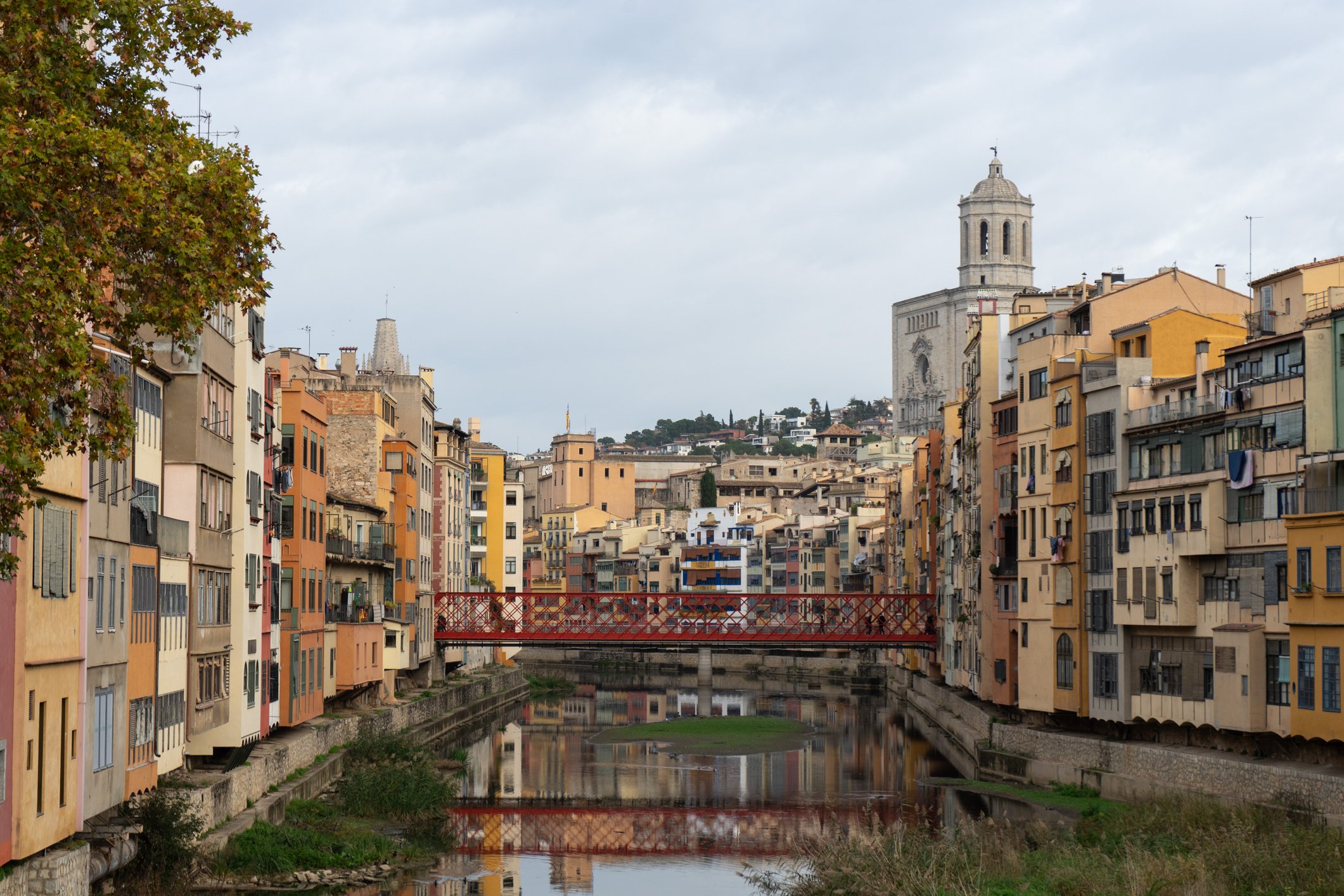
Girona is a city to the north of Barcelona. It takes around 40 minutes to get there by the high-speed train.
The city is a blend of Roman, Spain and Arabic cultural influences. It is located at the intersection of the Iberian Peninsula and the rest of Europe. It adjoined with Gals (Asterix and Obelix), Franks, German tribes and the French through the history. It has experienced 25× sieges. 7 of them were successful.
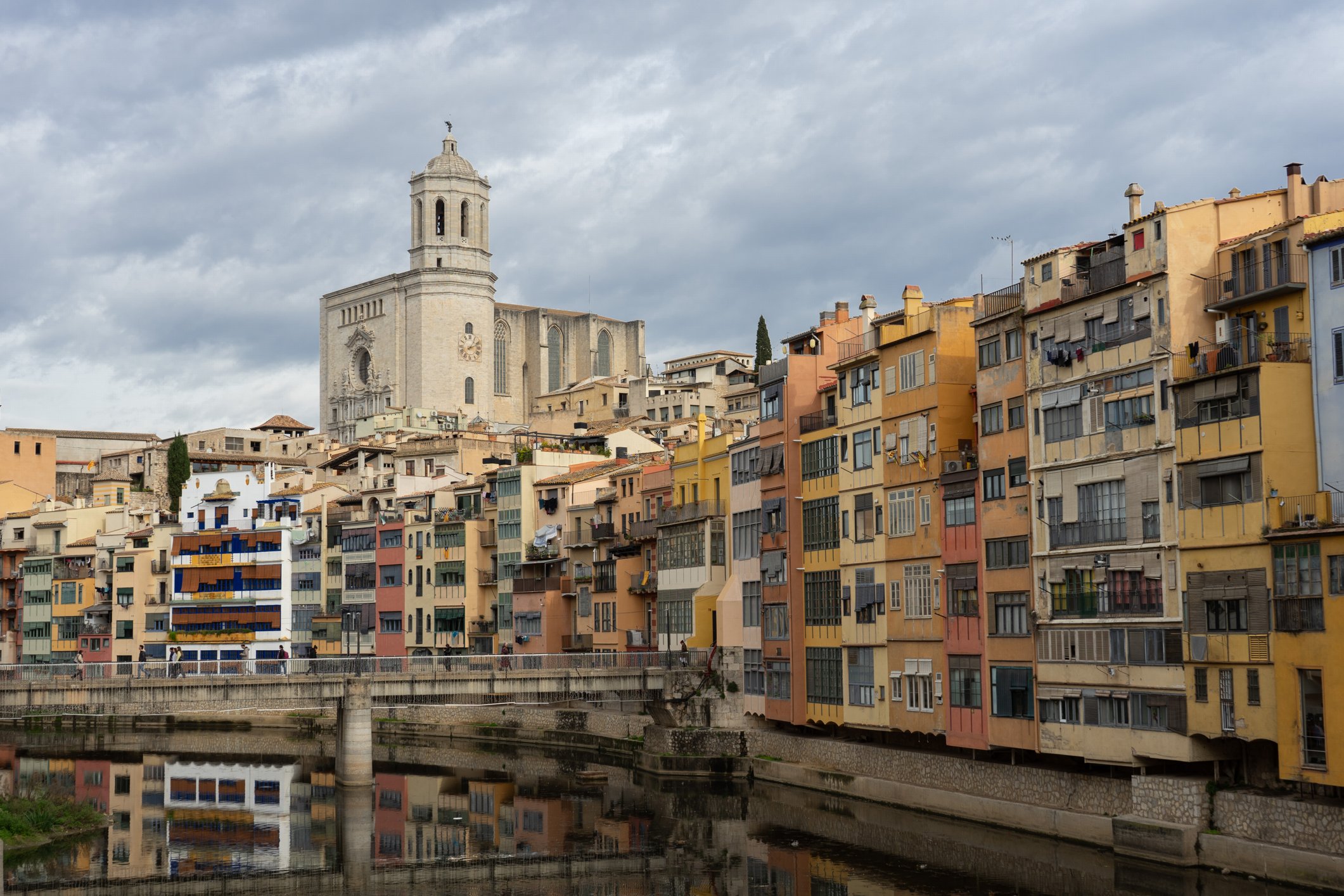
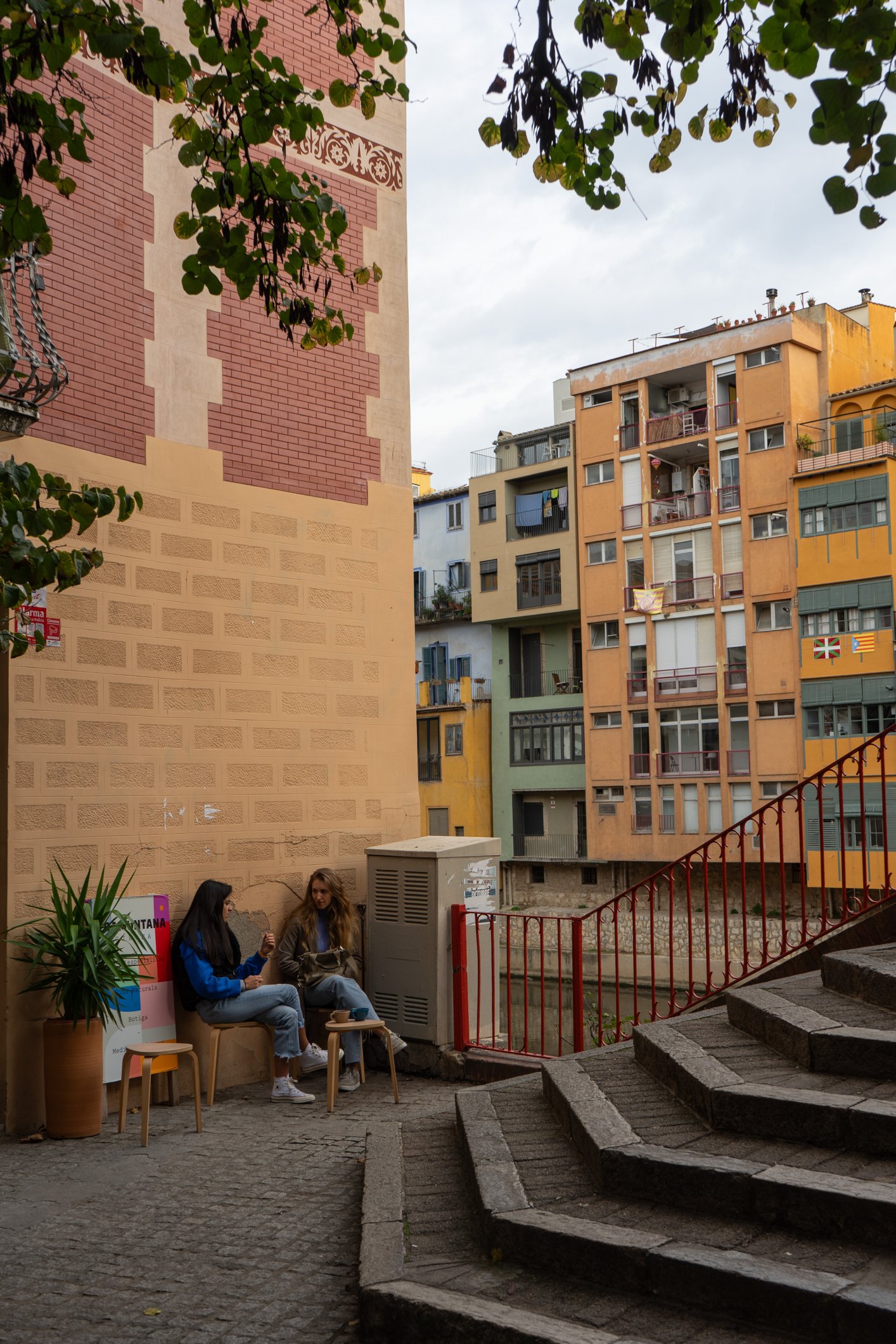
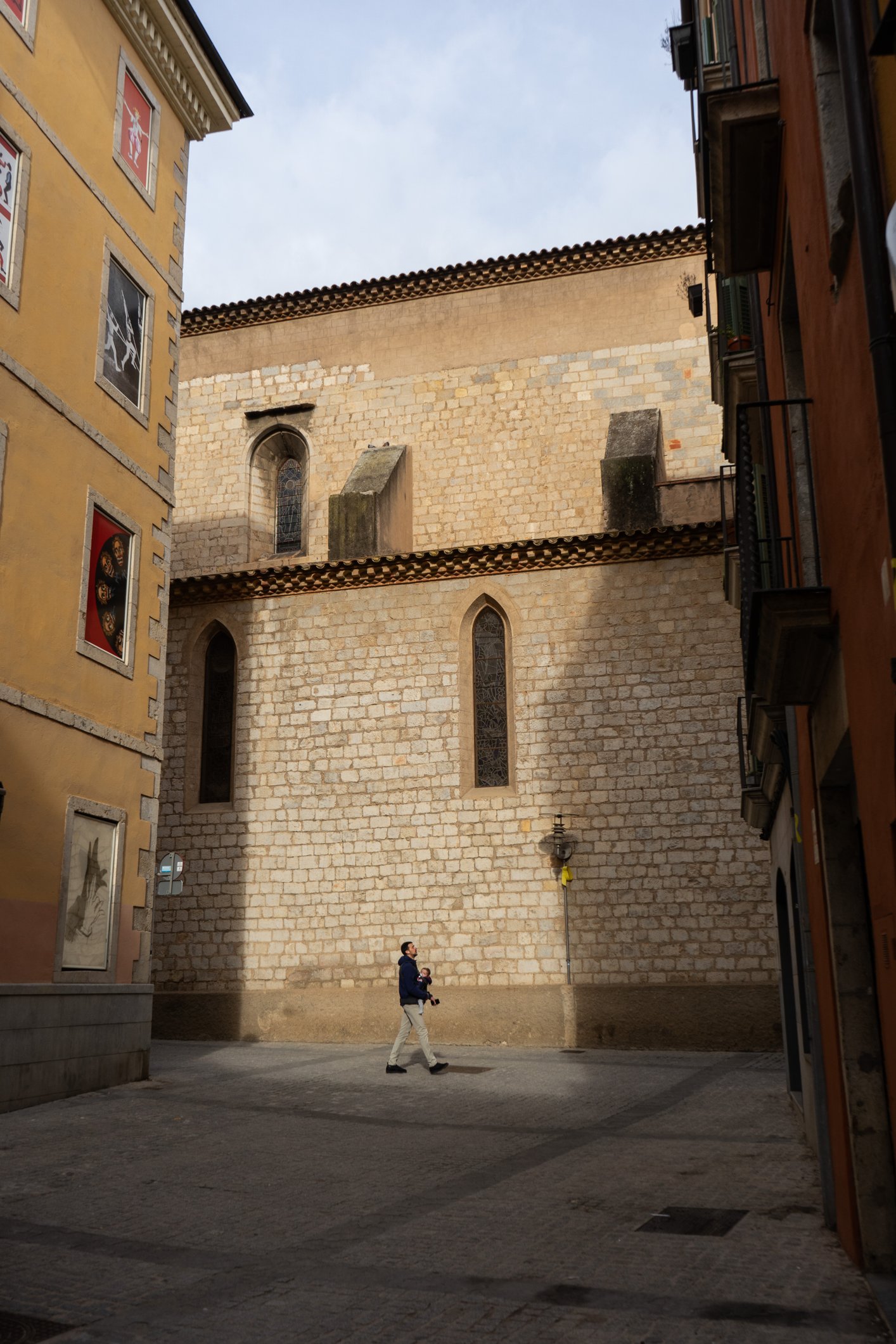
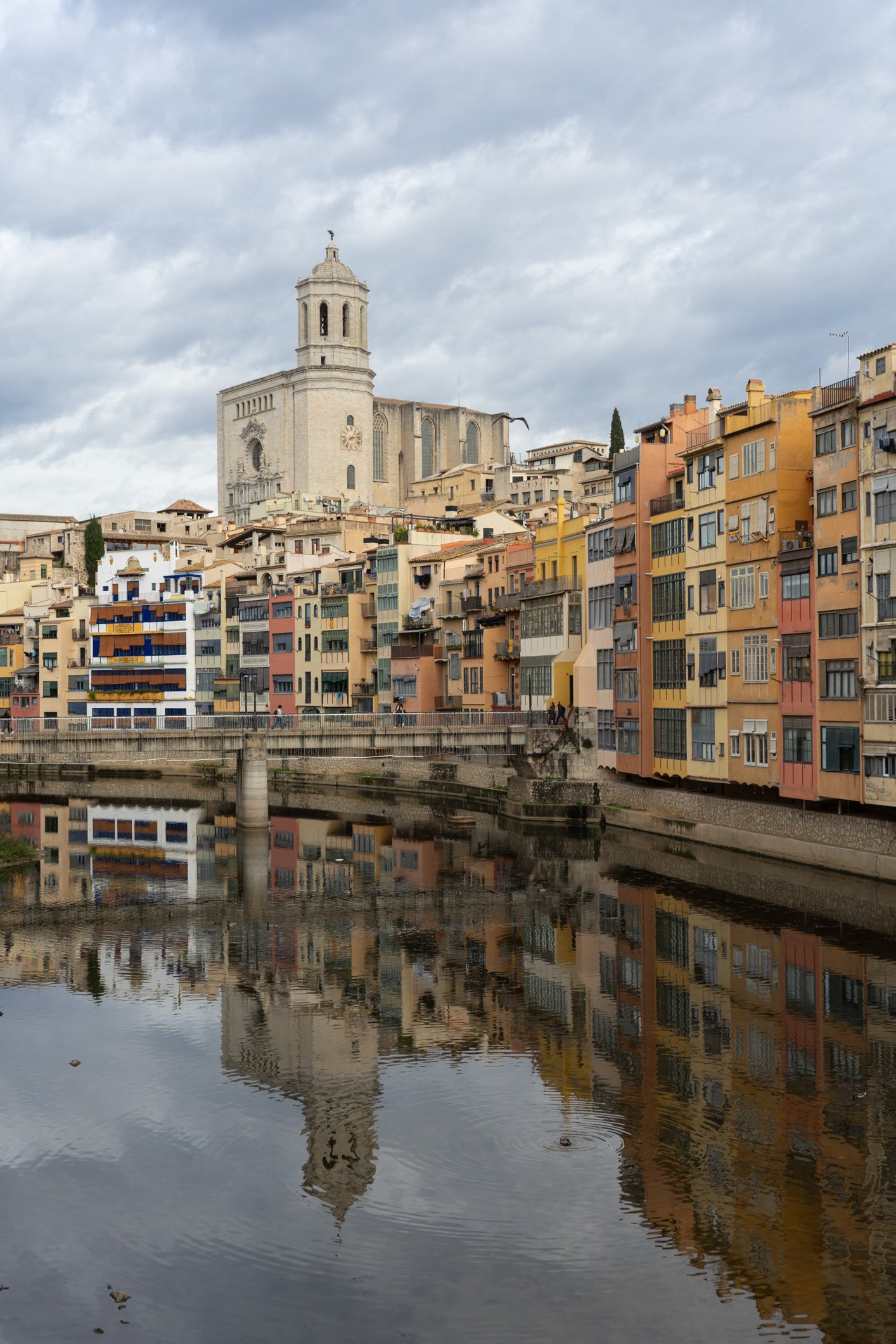
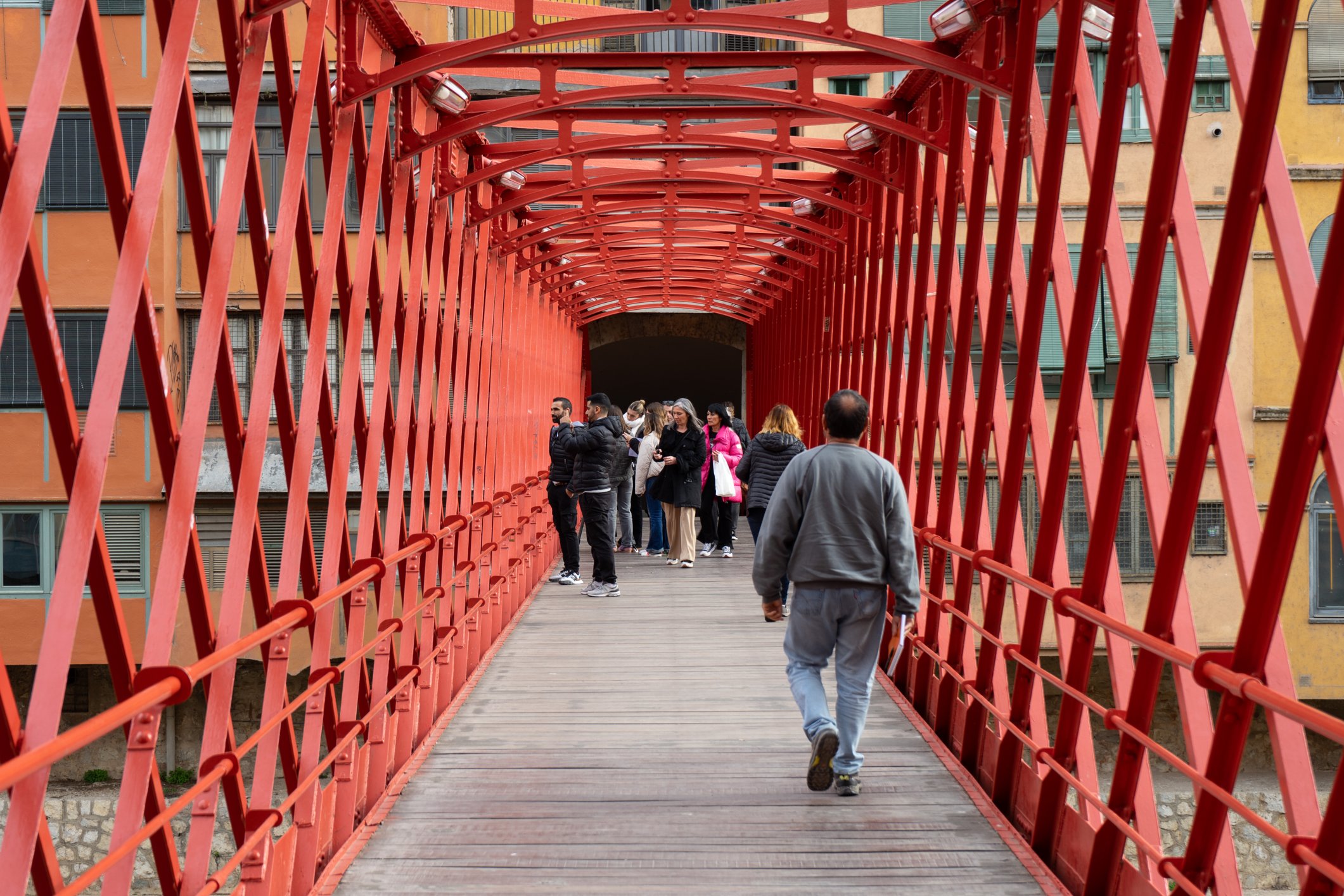
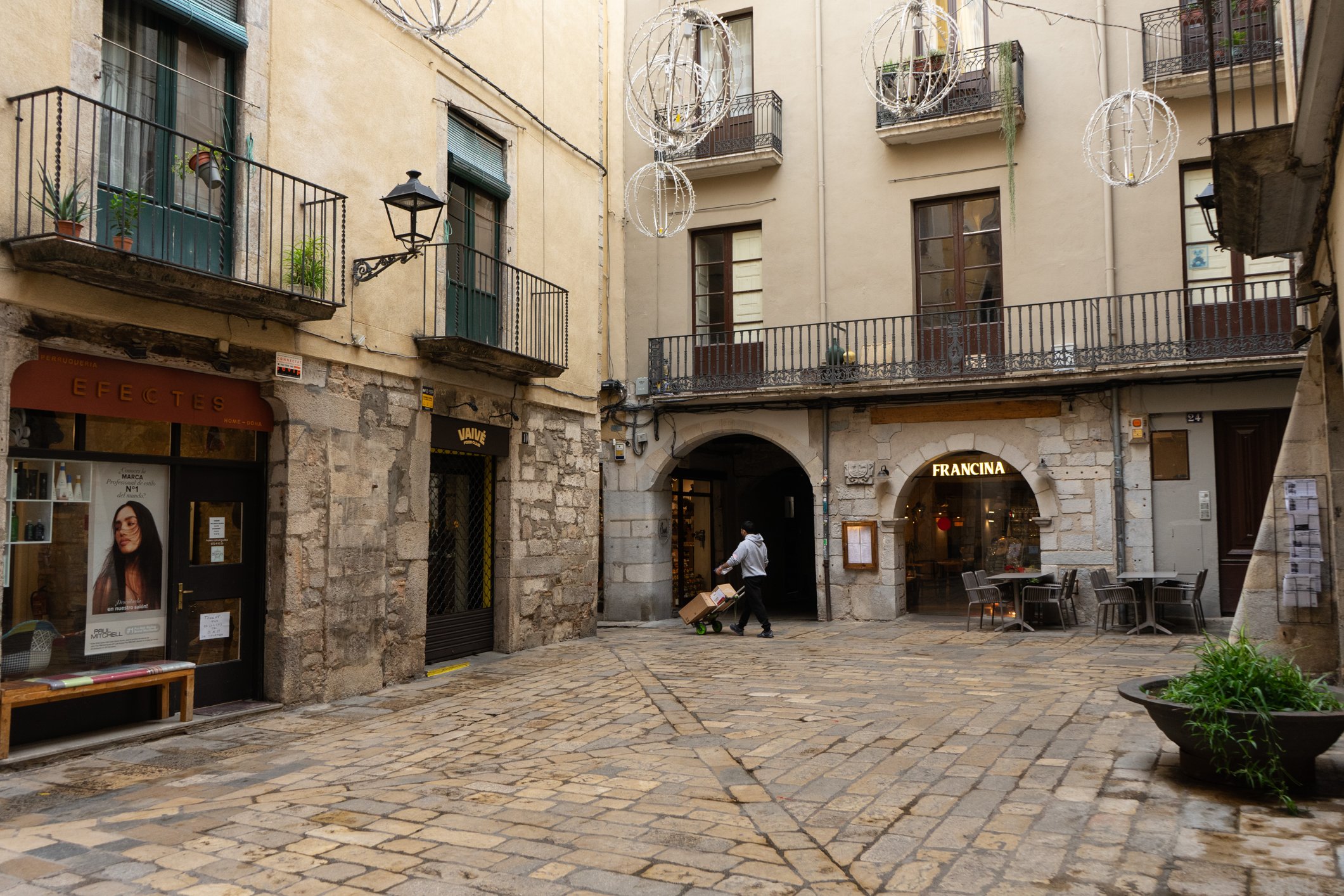
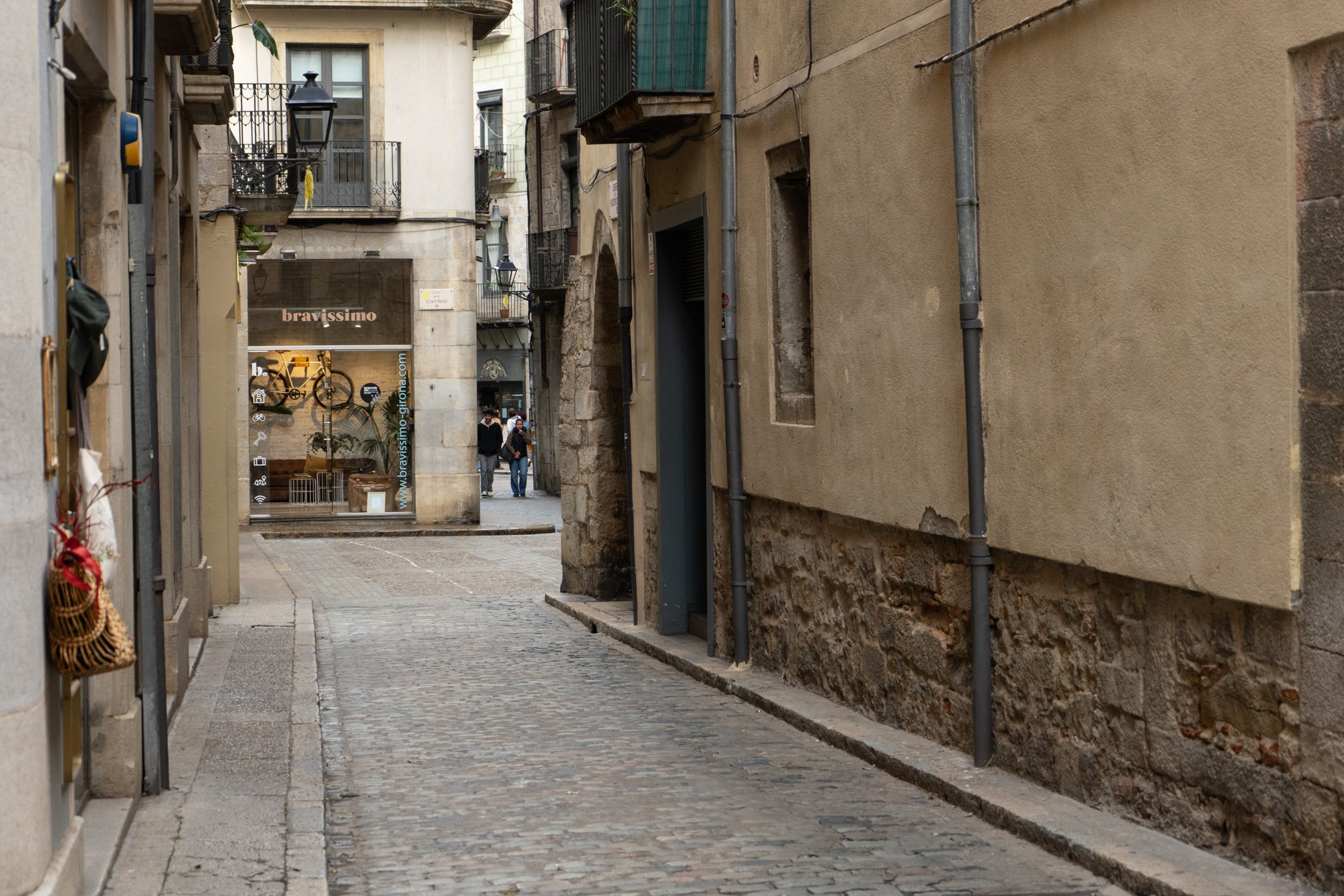
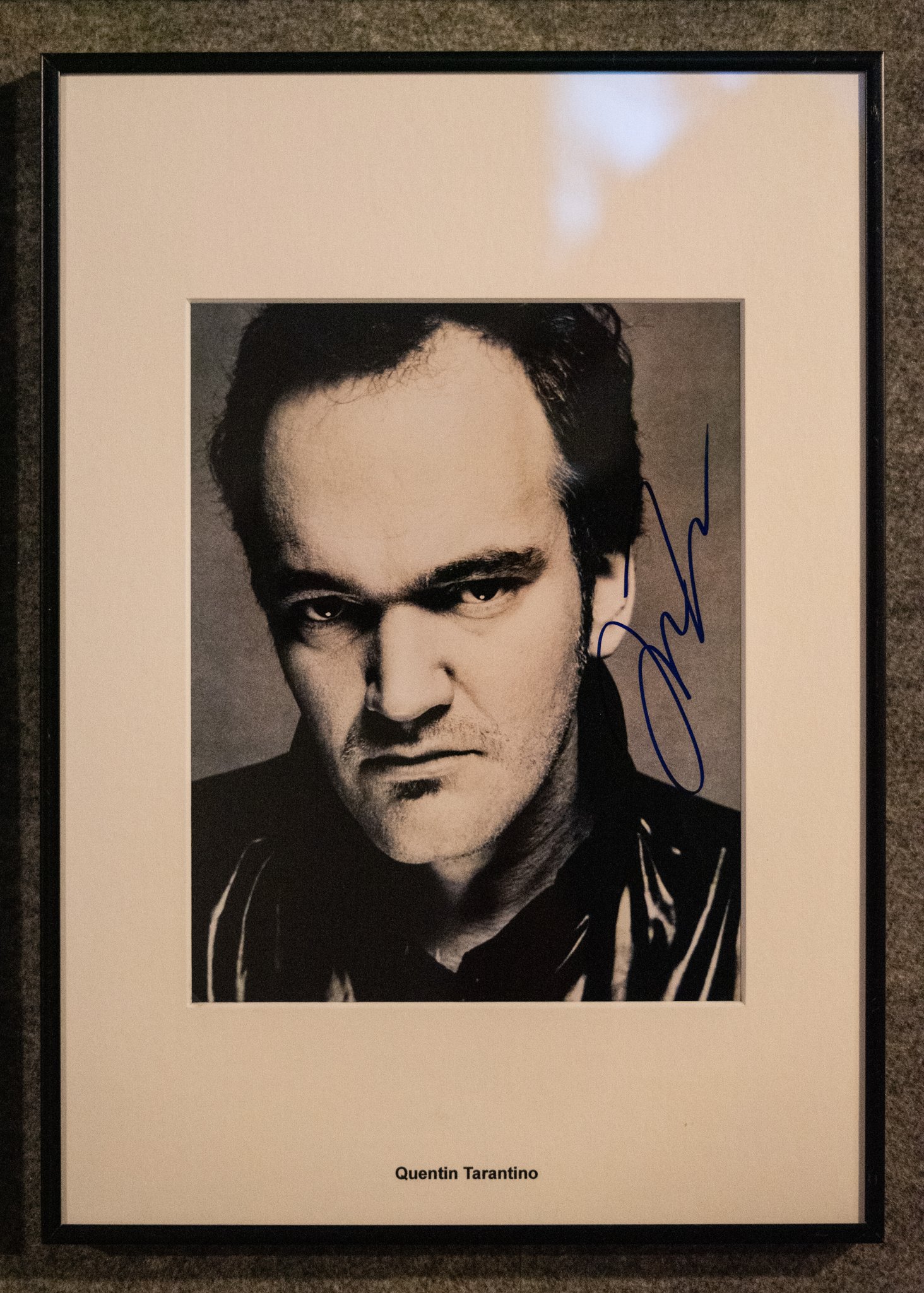
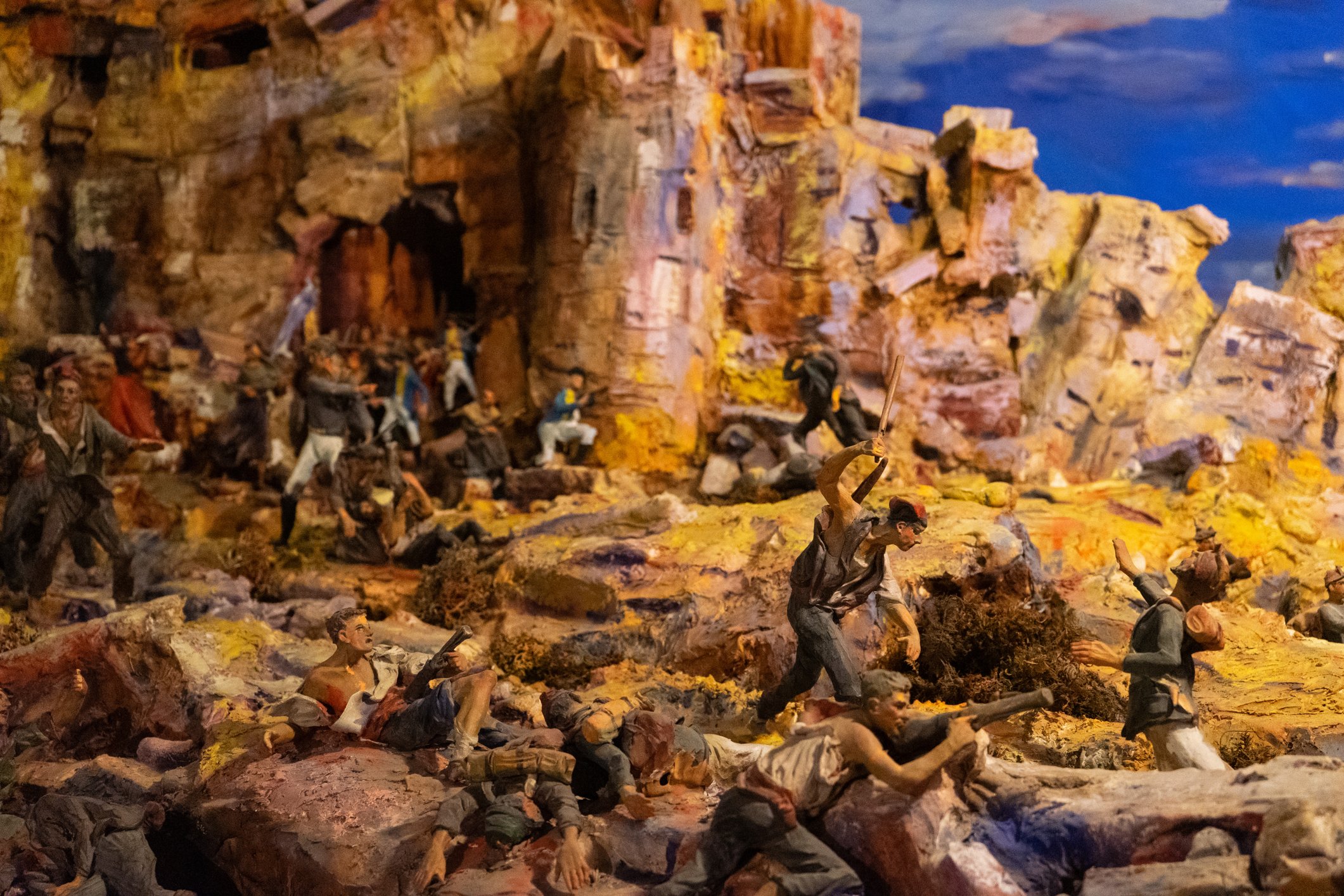
There are many museums in the city. I visited two of them. The first one is a Motion Picture Museum (Museo del Cine) and the second one is a City Museum (Museu d’Història de la Ciutat).
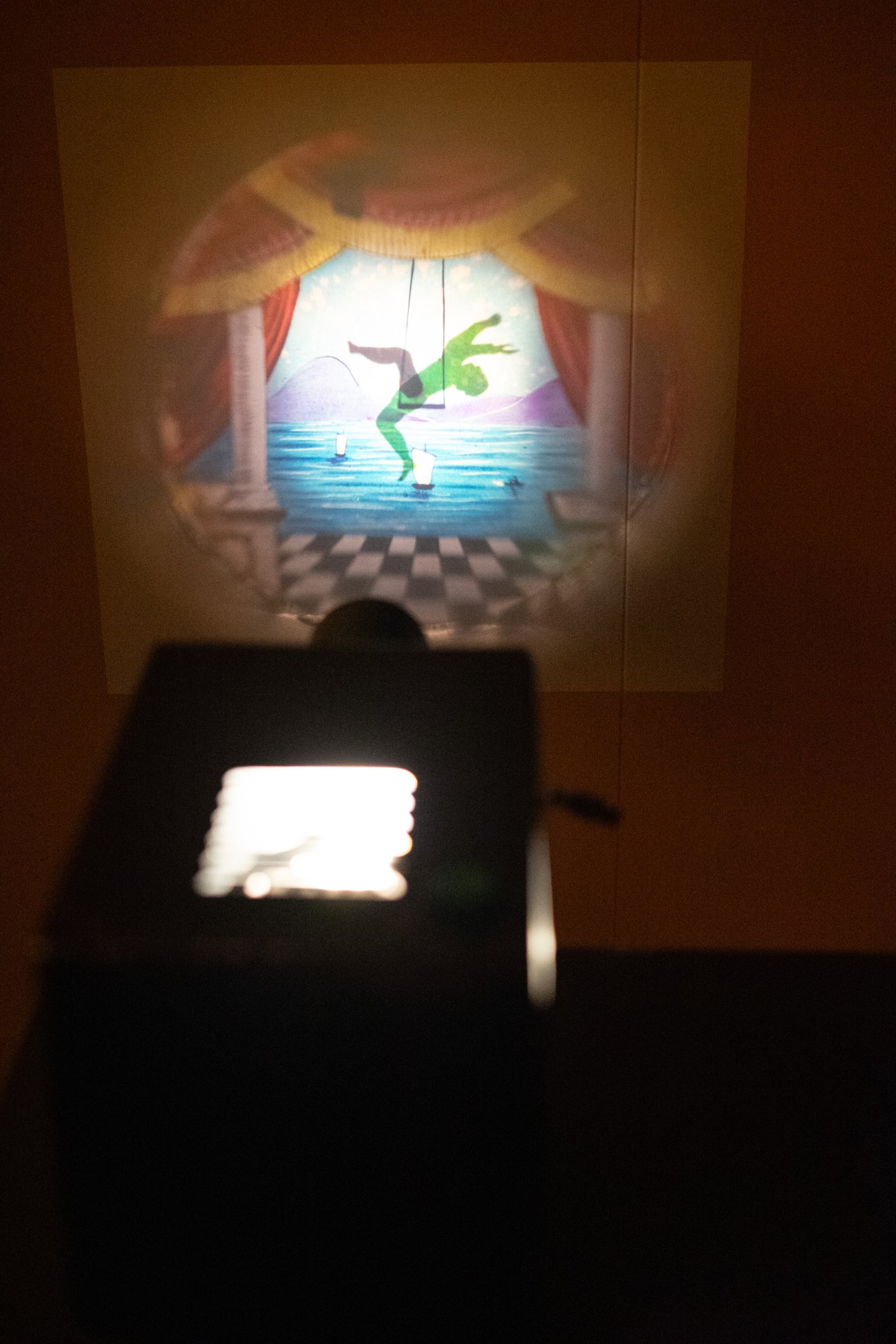
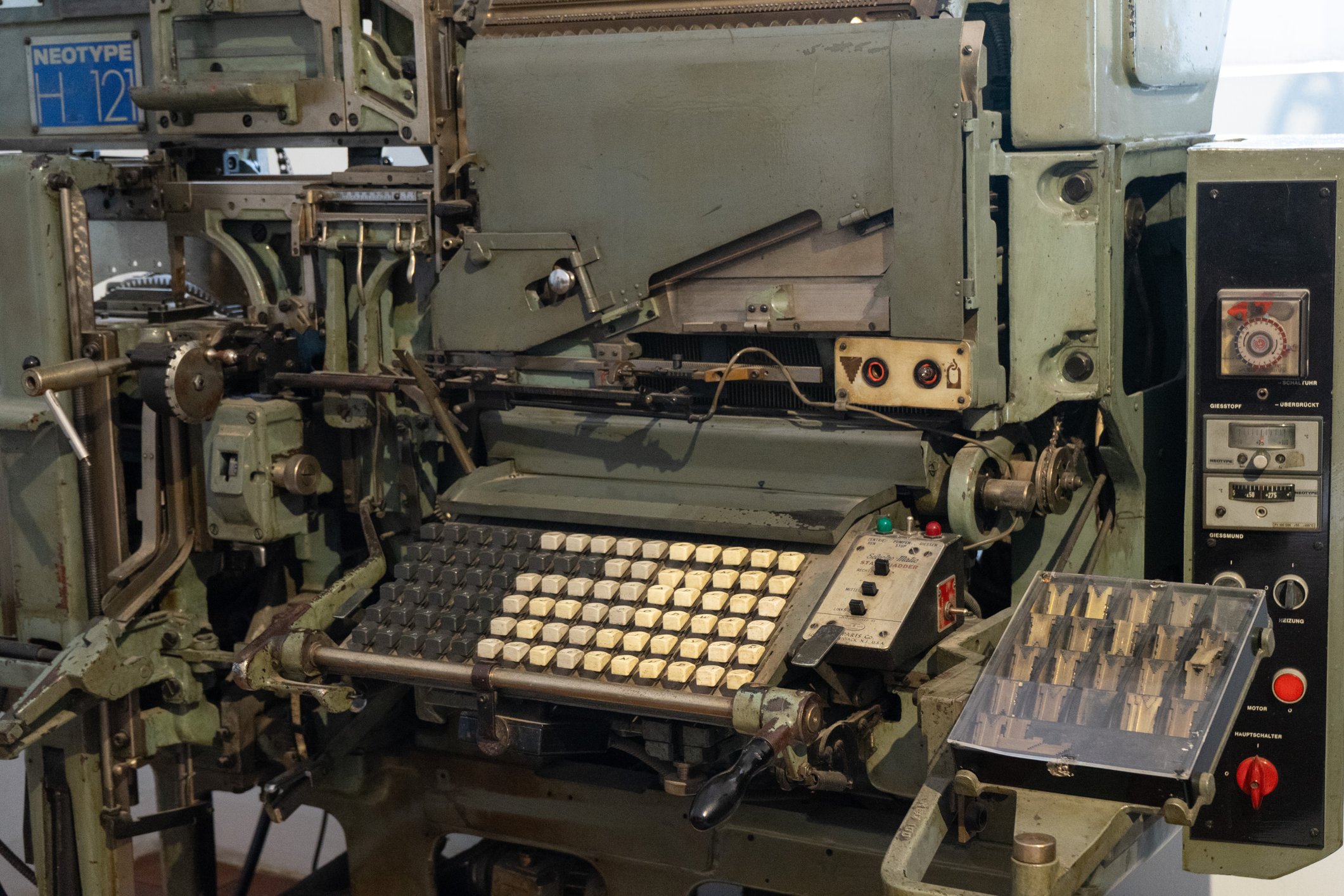
The Motion Picture Museum has 3 floors and exhibits a collection of artifacts from the beginnings of efforts to make pictures move, via celluloid film up to the digital era. There are among the first attempts to make picture move: Shadow play, Flip book, laterna magica and stereoscope.
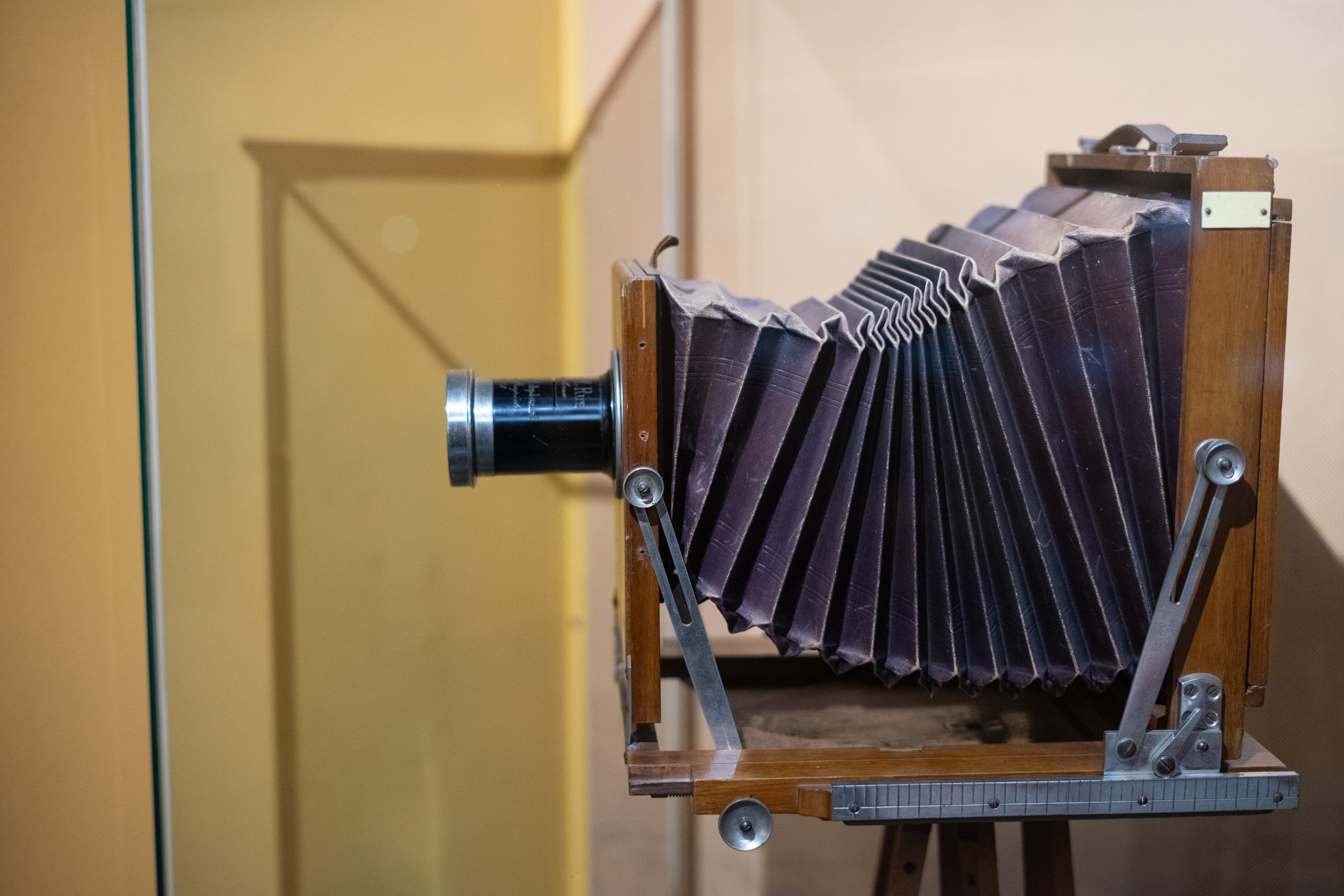
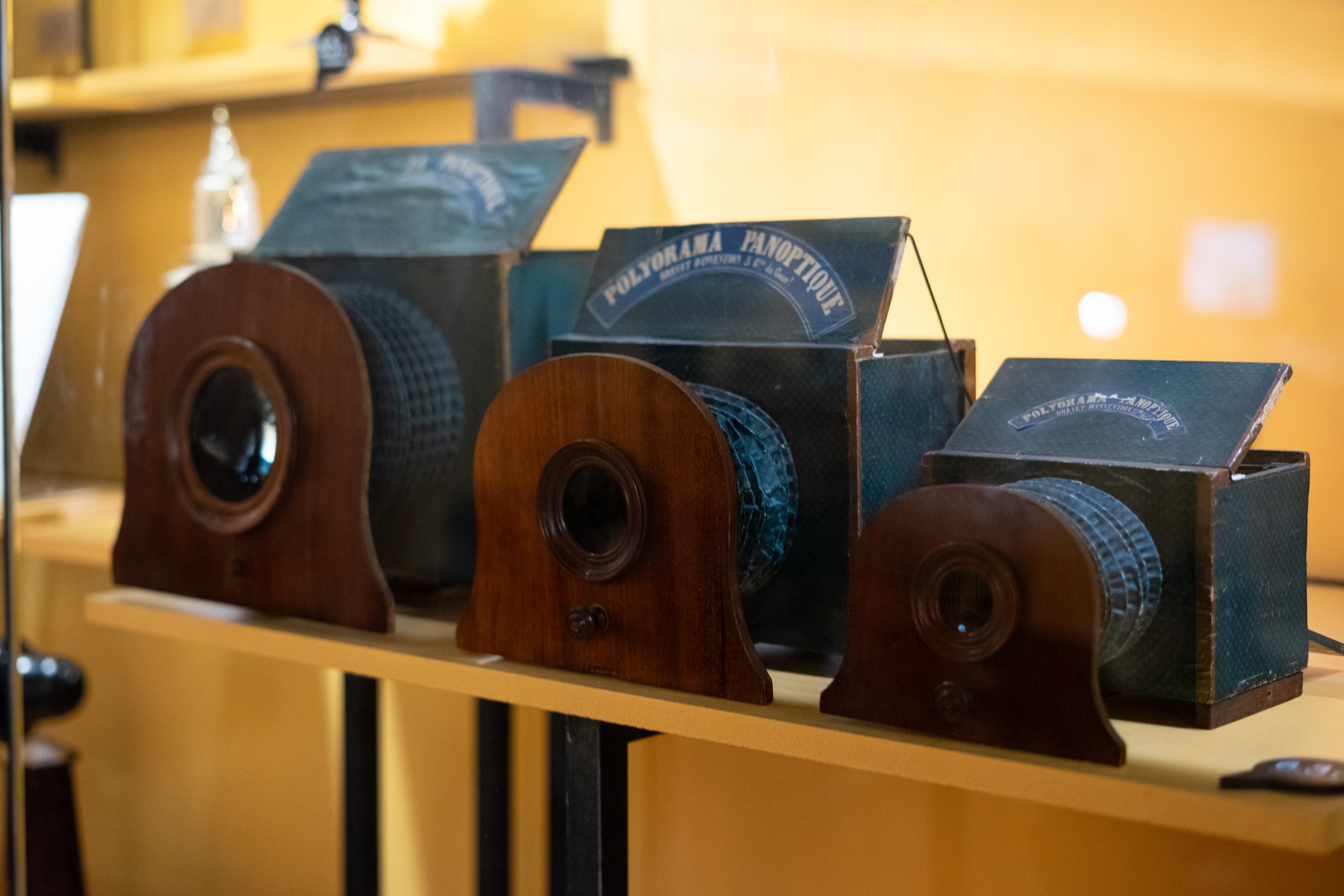
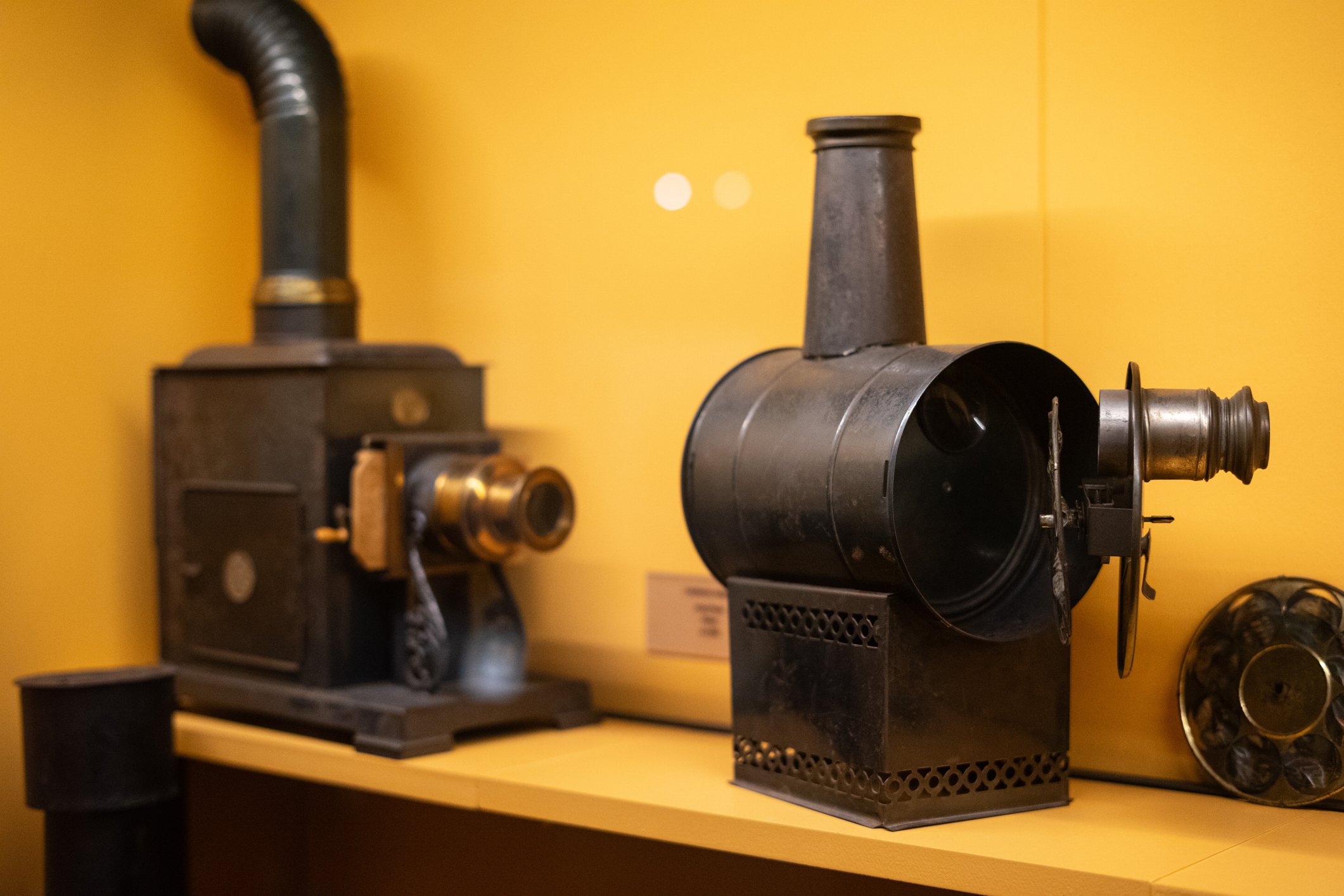
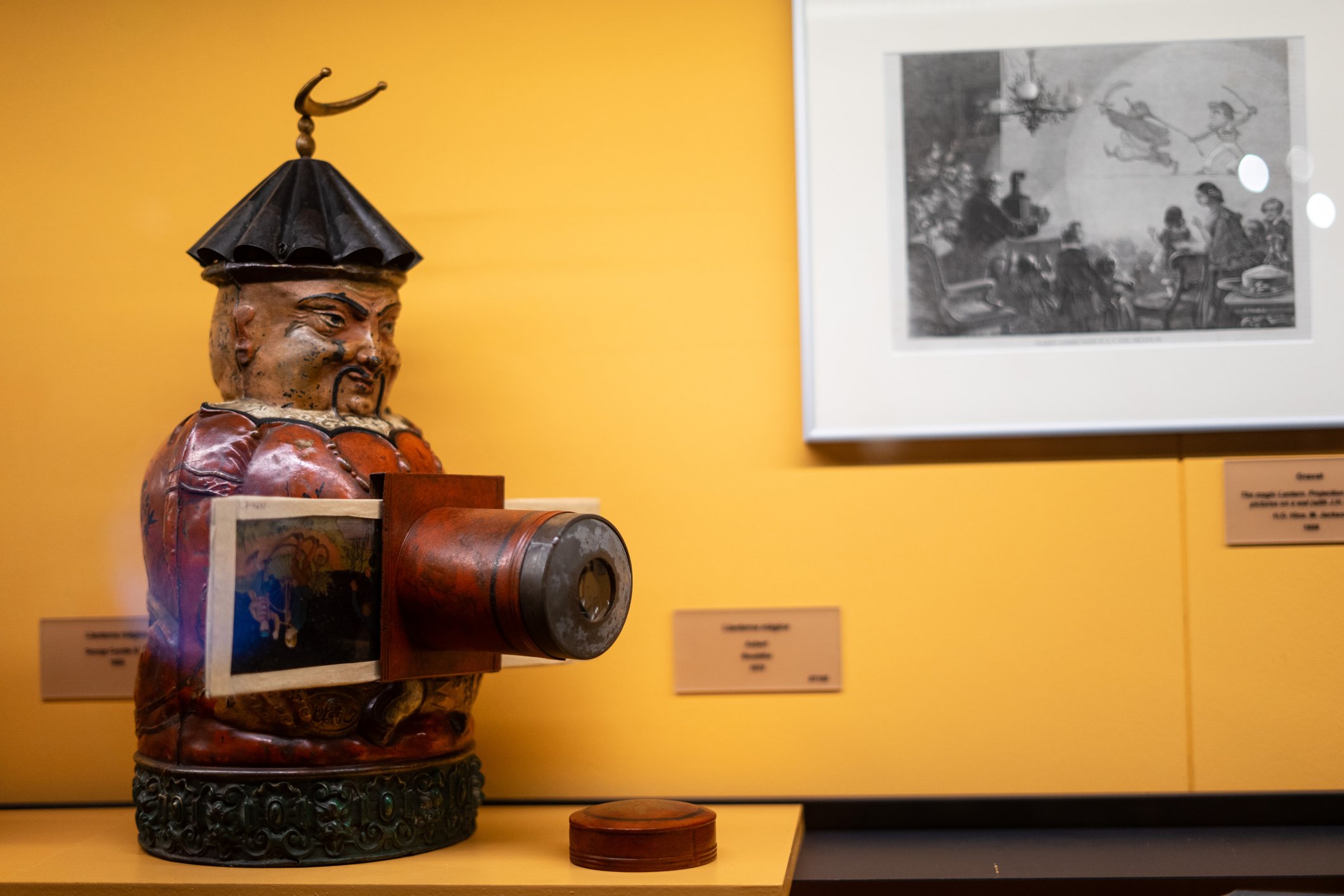
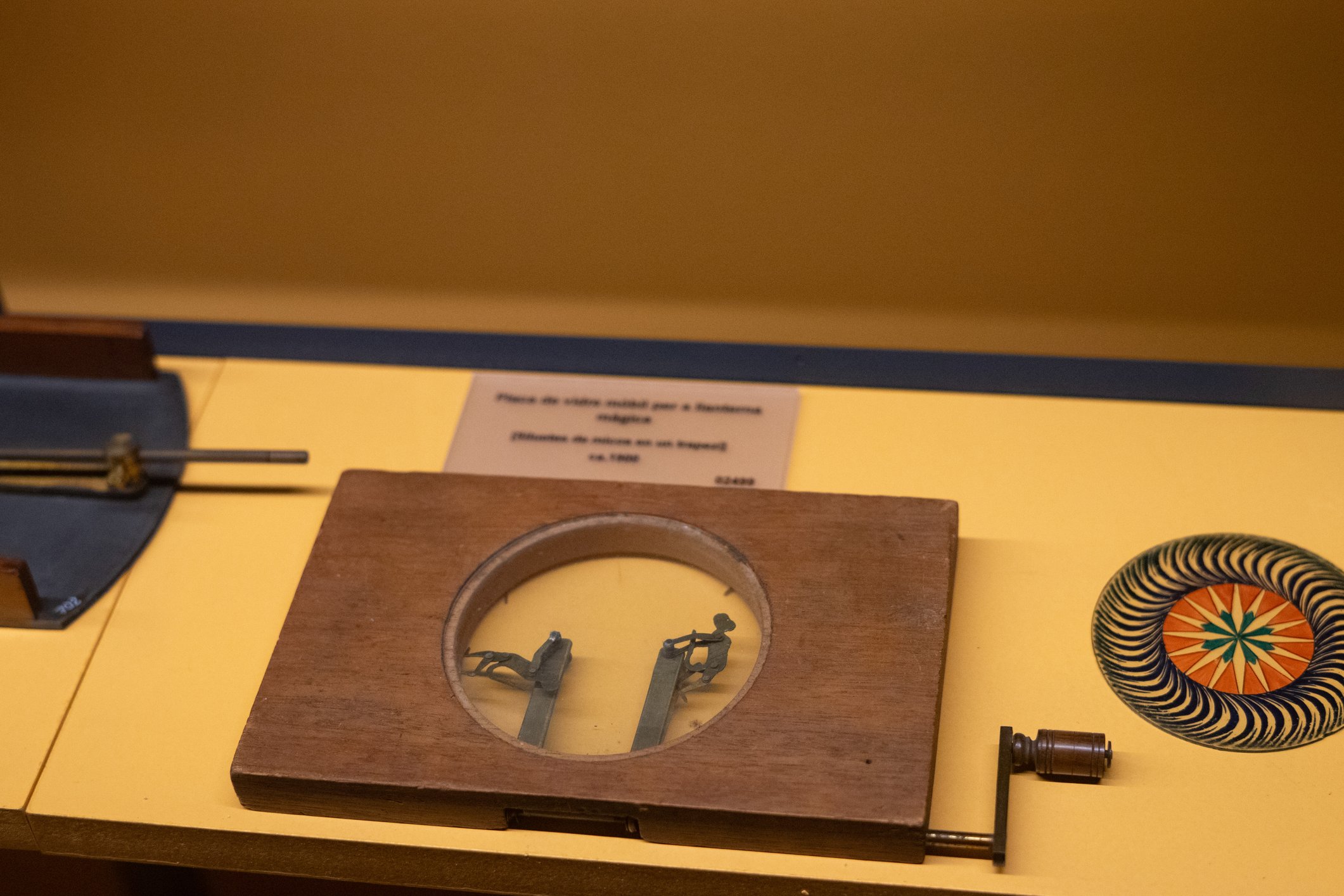
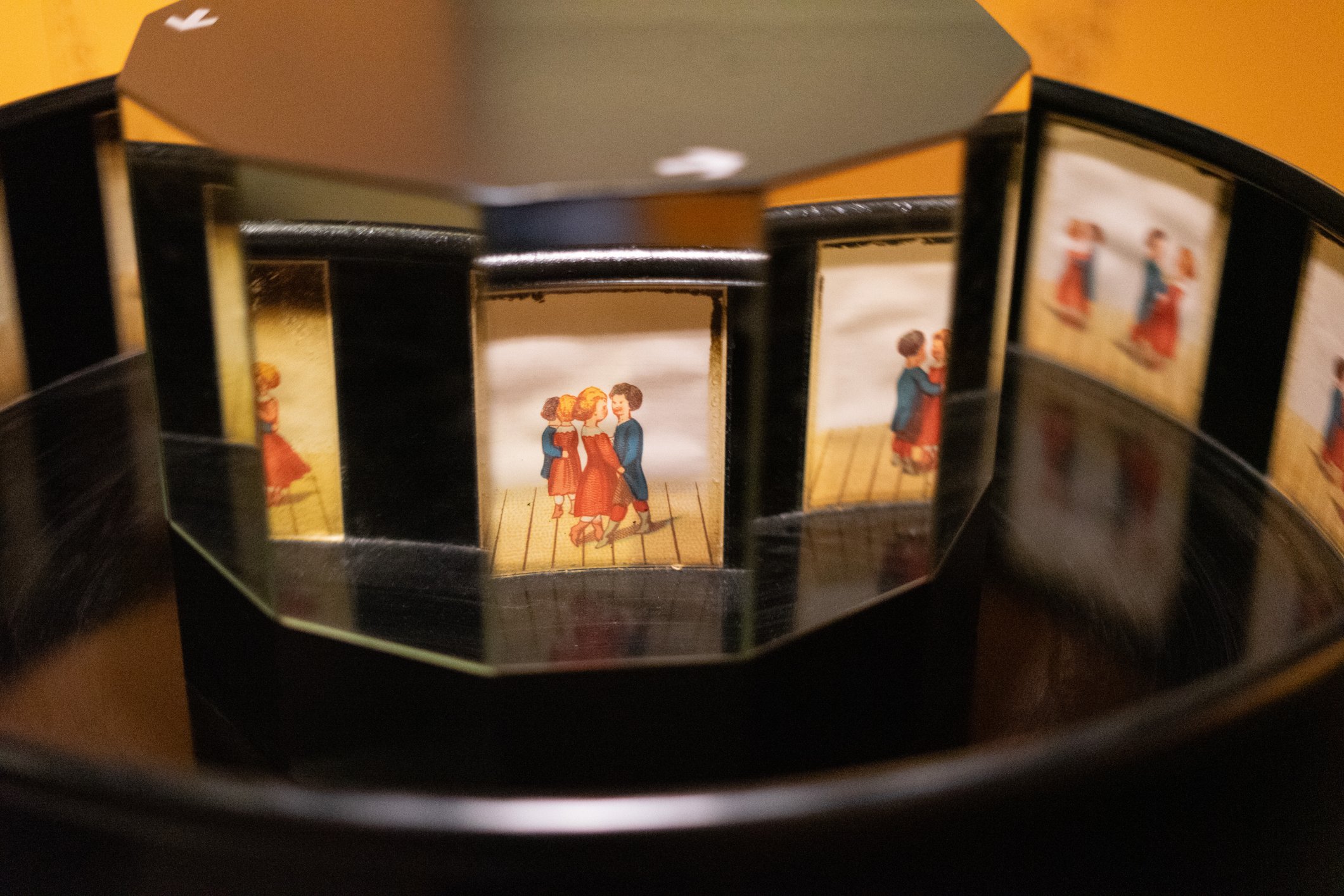
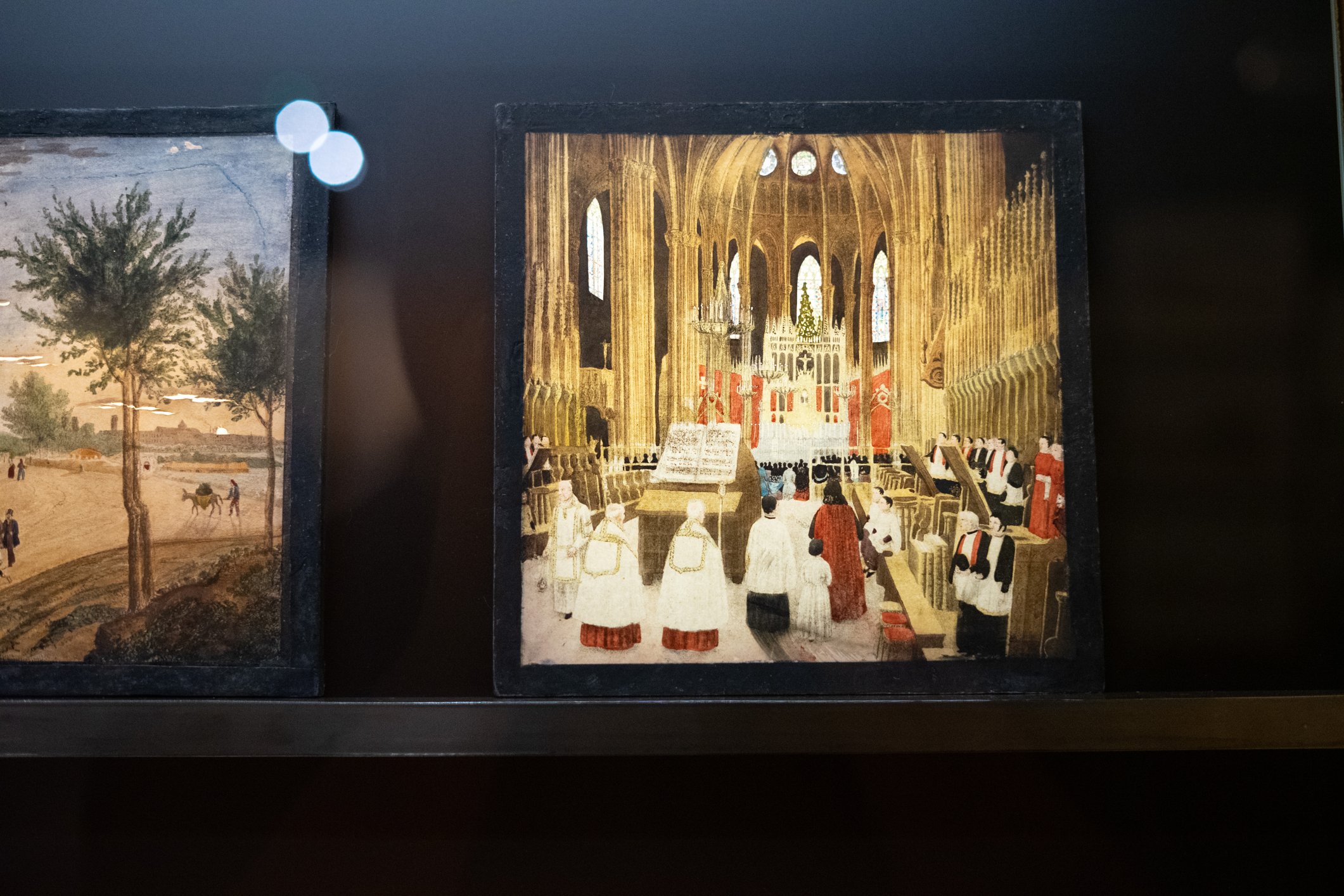
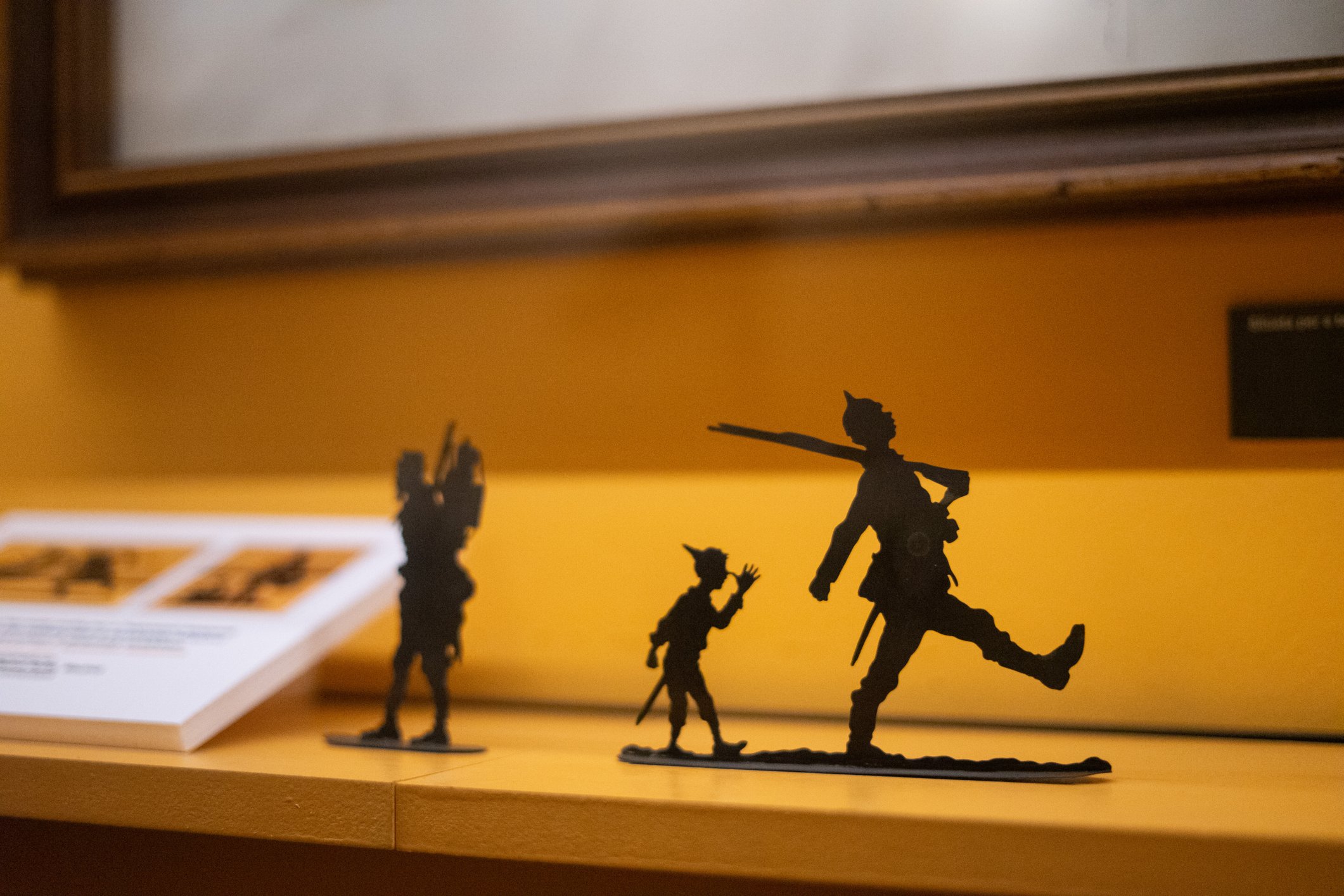
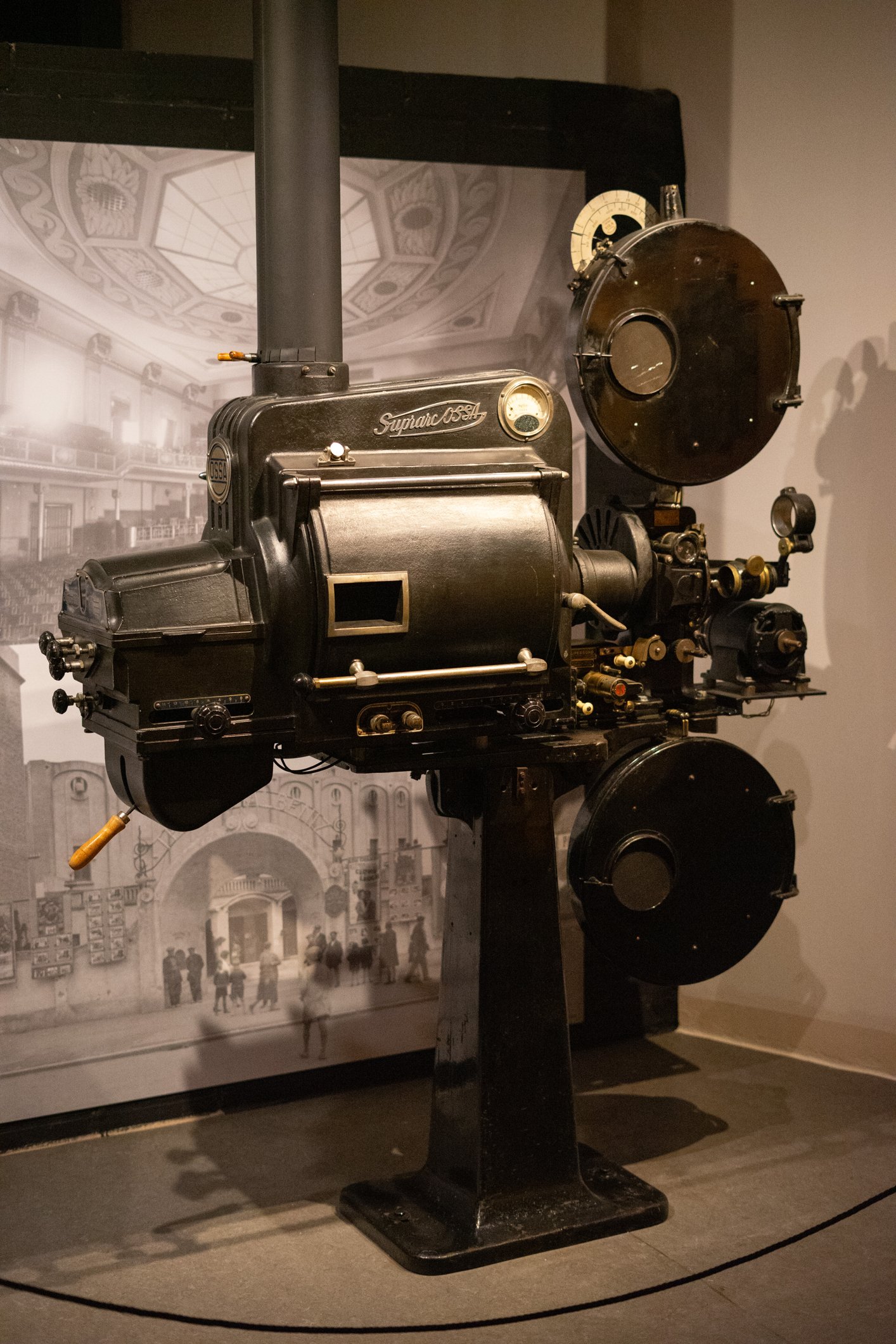
Discount for the unemployed at museum
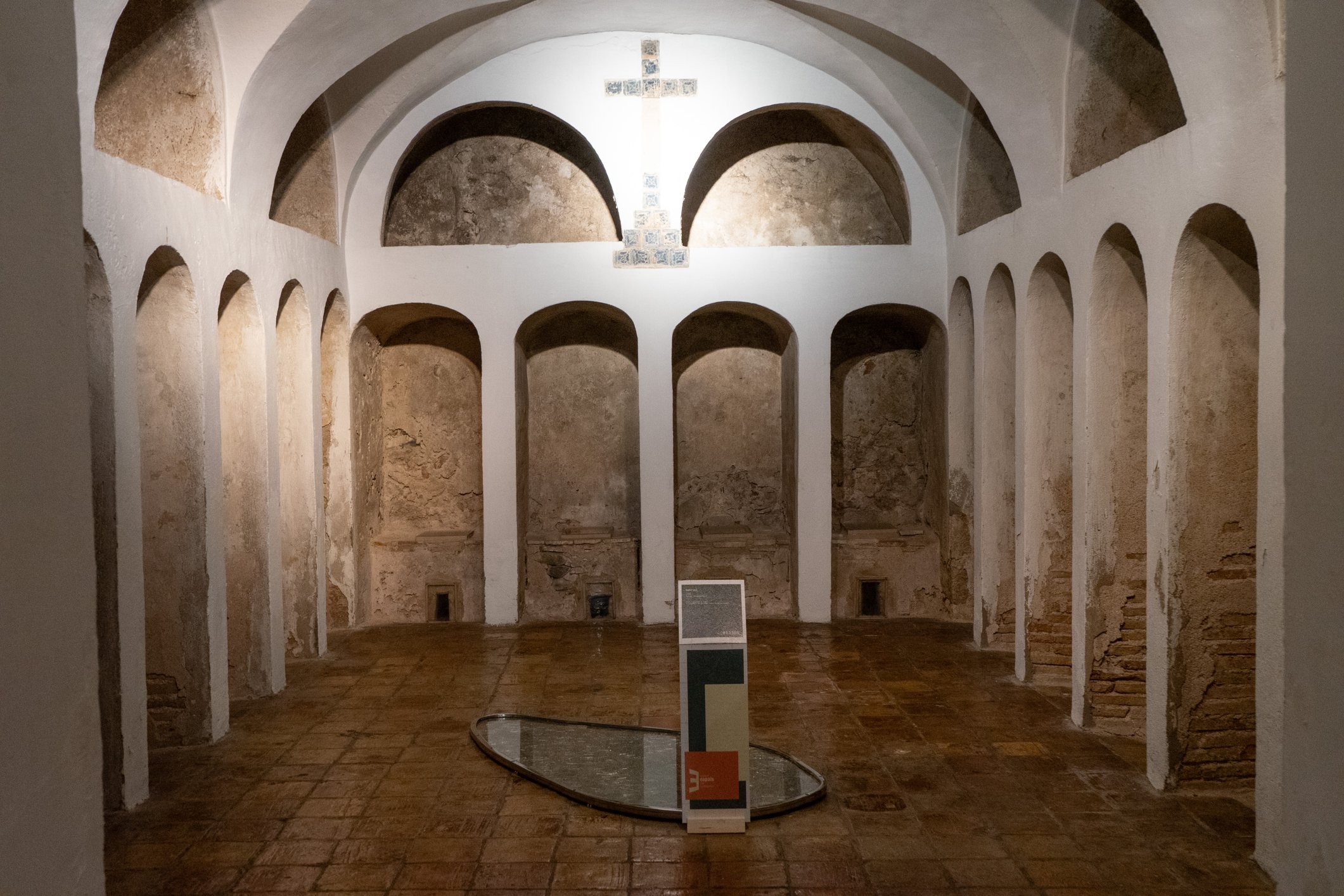
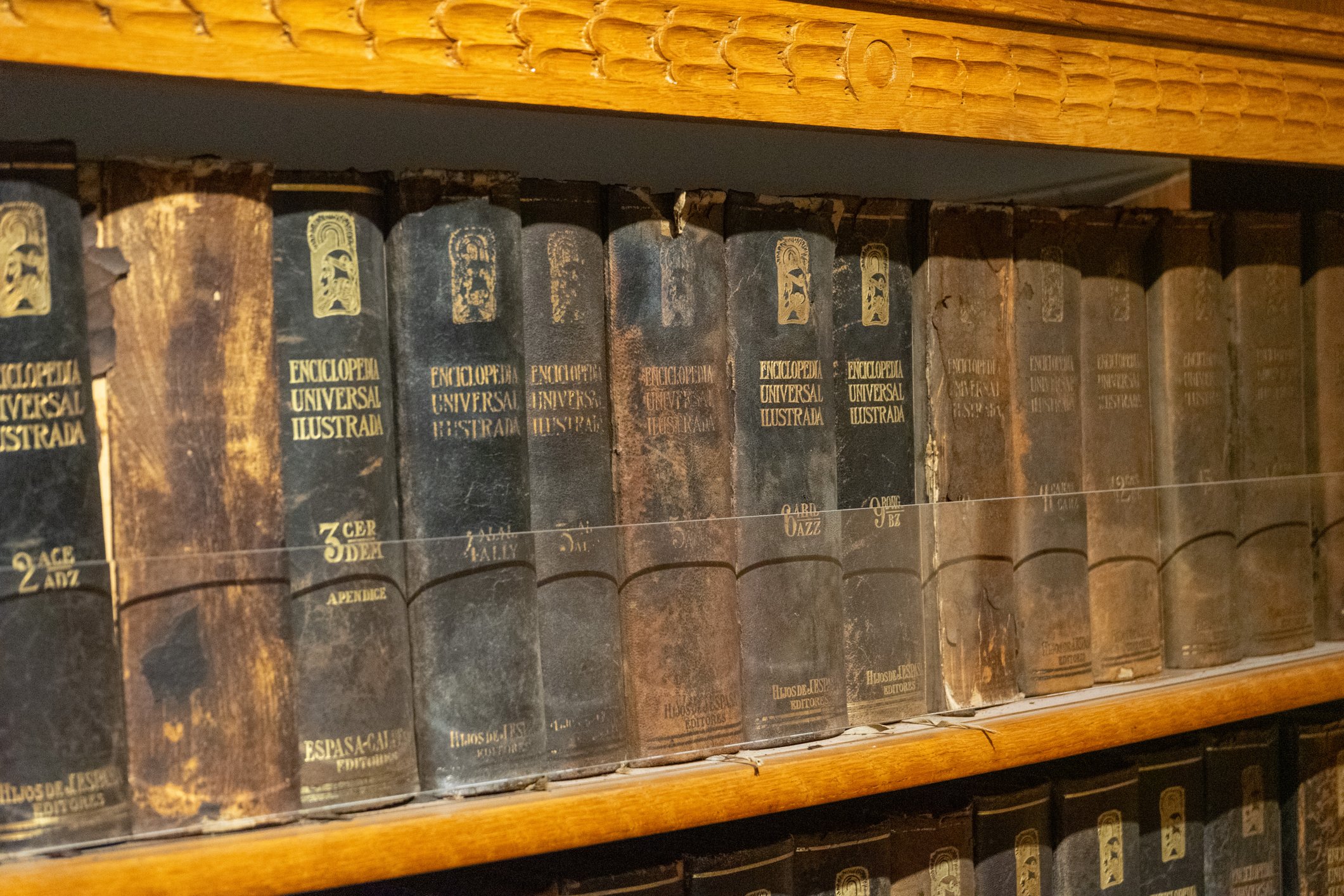
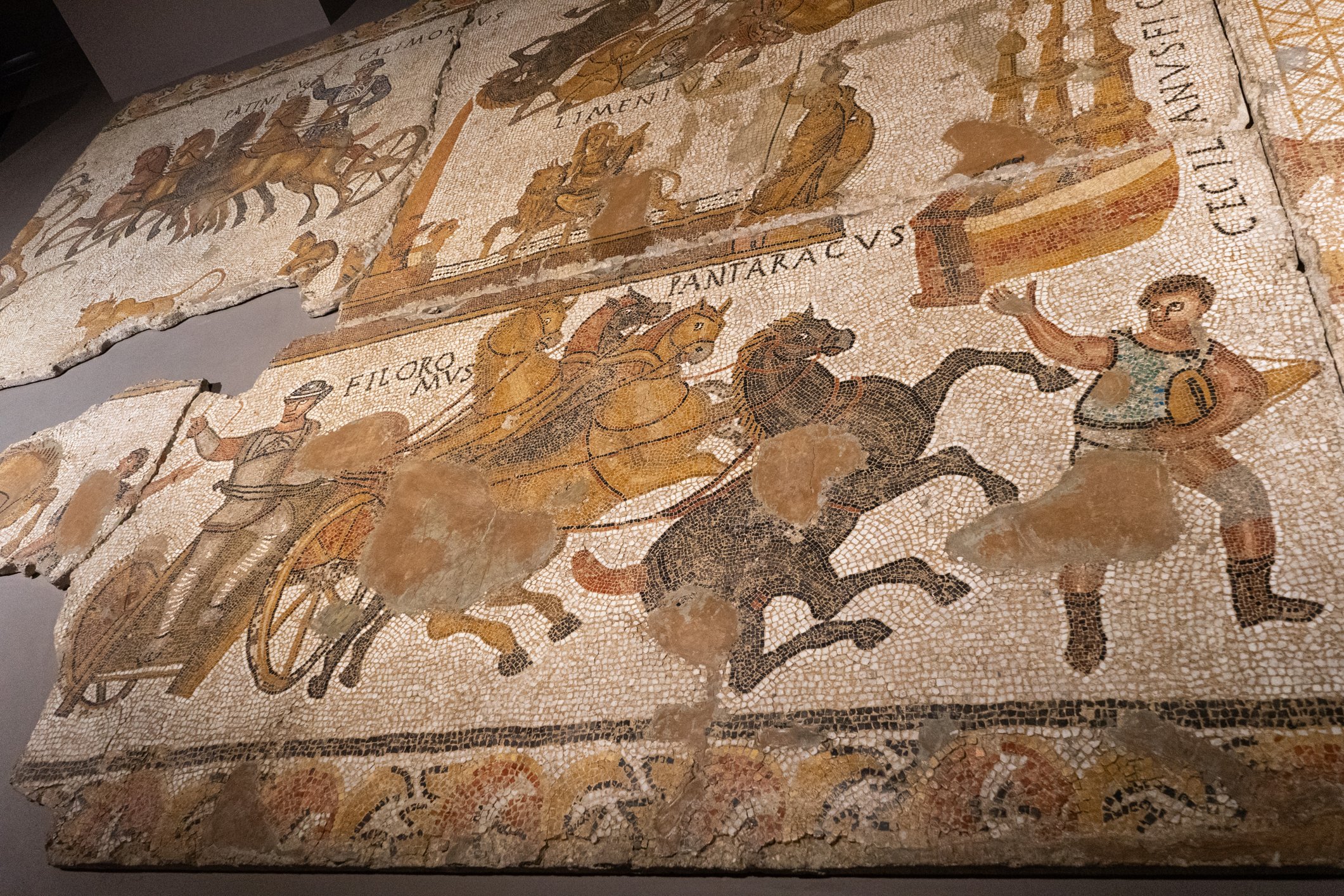
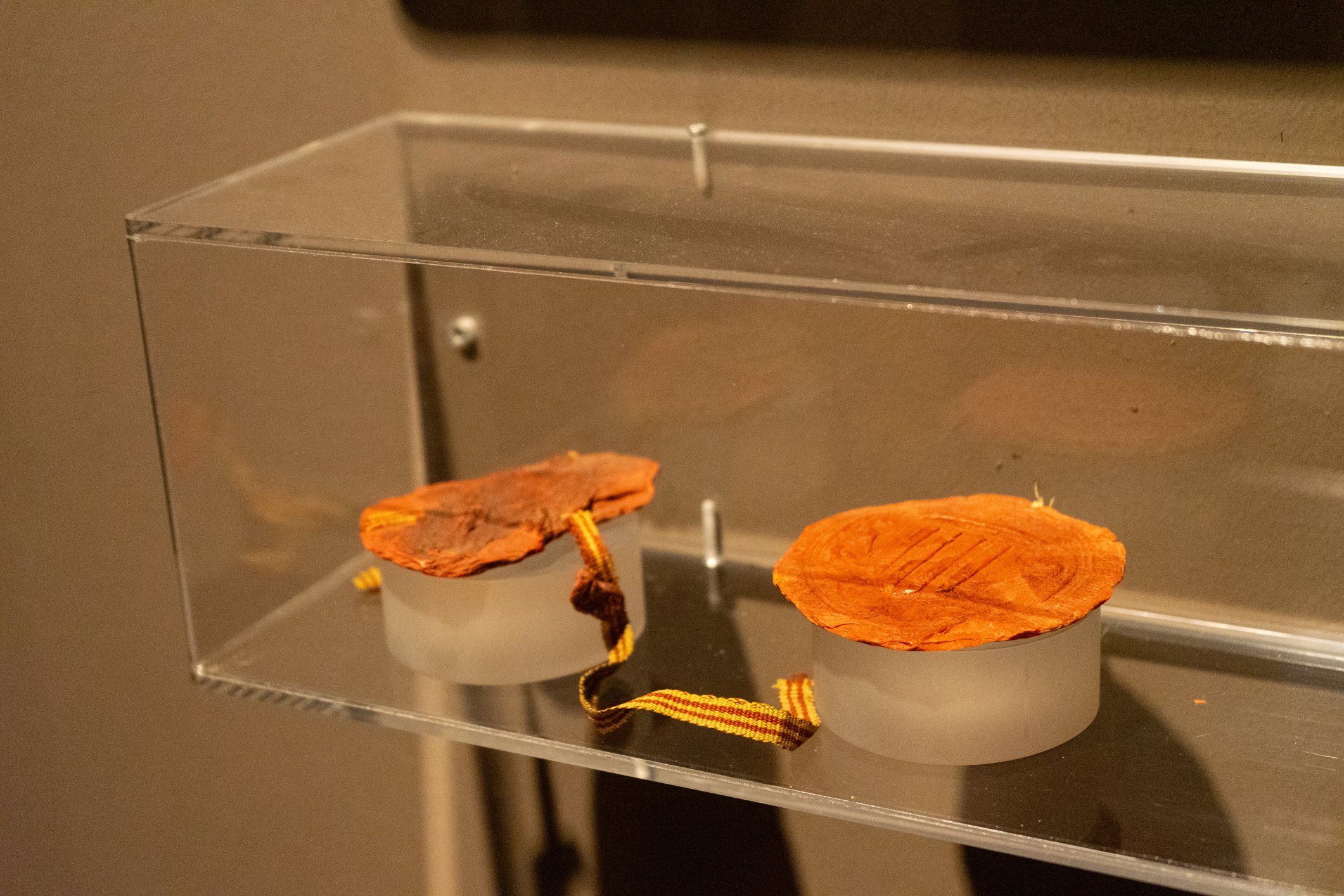
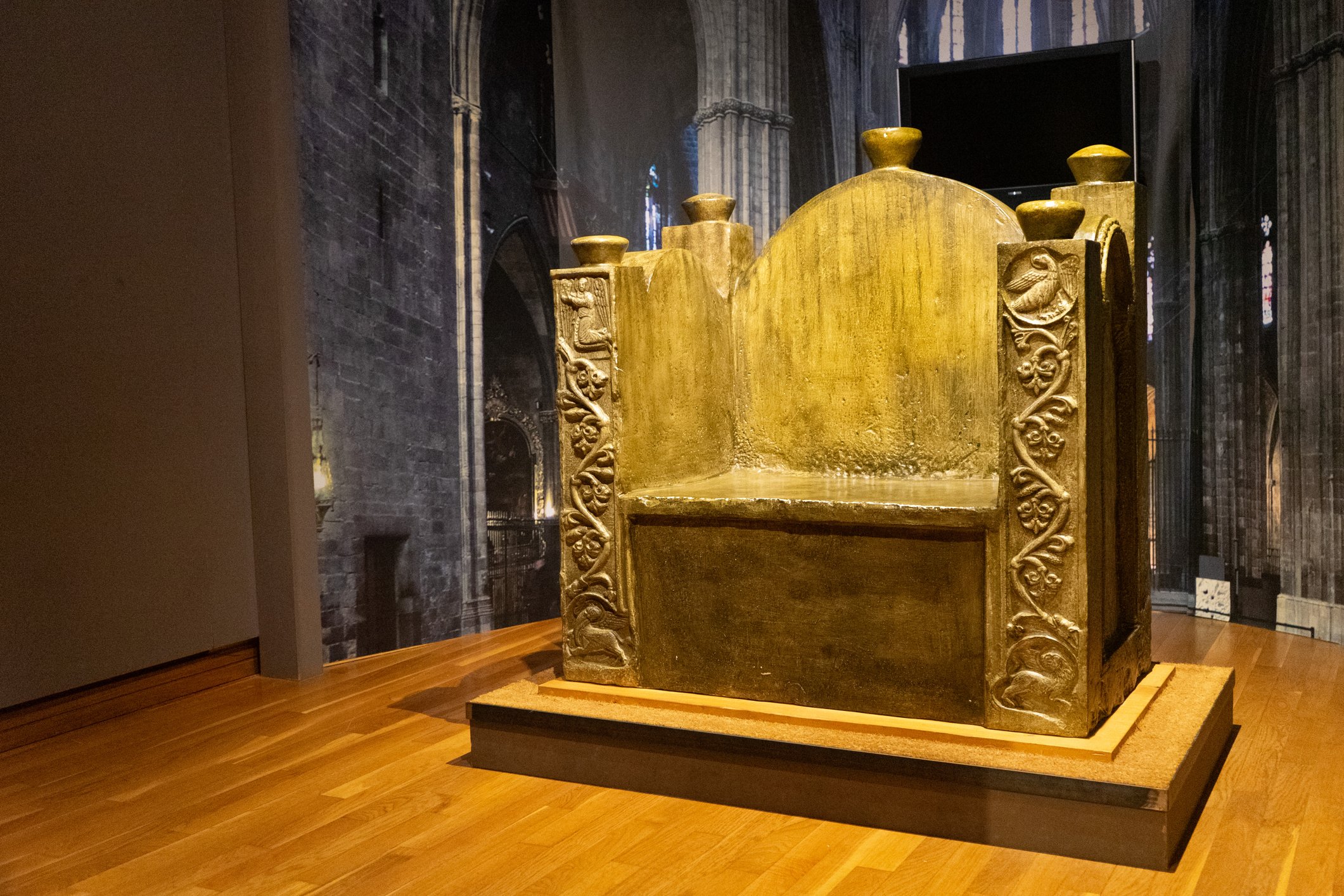
The City Museum offers a peek into city history and offers information about how Franciso Franco’s regime executed local people if they were against his agenda.
If you pay a visit to any museum in Spain, you notice they usually ask where you come from and what you do. I assume it is for attendance statistics. What really pleased and surprised me was that when I told the museum clerk that I am unemployed, she gave me a discount. The type of the discount which is usually given to either students or pensioners.
The museum is perfectly arranged and equipped. There is an audio guide in English accessible via a link on your mobile phone. Just scan a QR code and connect to their Wi-Fi and you can start listening. Each room in the museum is with marked with a numbered marker stating which audio recording you should play.
Cycling
Thanks to its location, Girona is a haven for cyclists. Lance Armstrong trained here. At first the king cycling, then the king of dope.
The French and flies
There is a legend about the city. When the French attacked the city in 1285, they desecrated a tomb of Narcissus of Jerusalem. When they opened the tomb, a swarm of flies attacked them. 20 000 soldiers and 4 000 horses died. The French didn’t learn their lesson, perhaps due to an unrelenting revolutionary spirit of theirs. When they sacked the city in 1653 and 1808 again, the flies drove them out gain.
Here comes a logical conclusion: Whenever I meet the French again and they don’t want to speak English, I will threaten them with a fly.
There are two grand religious buildings: Church of St. Felix and Girona Cathedral. The cathedral is located at a very convenient location for photographing.
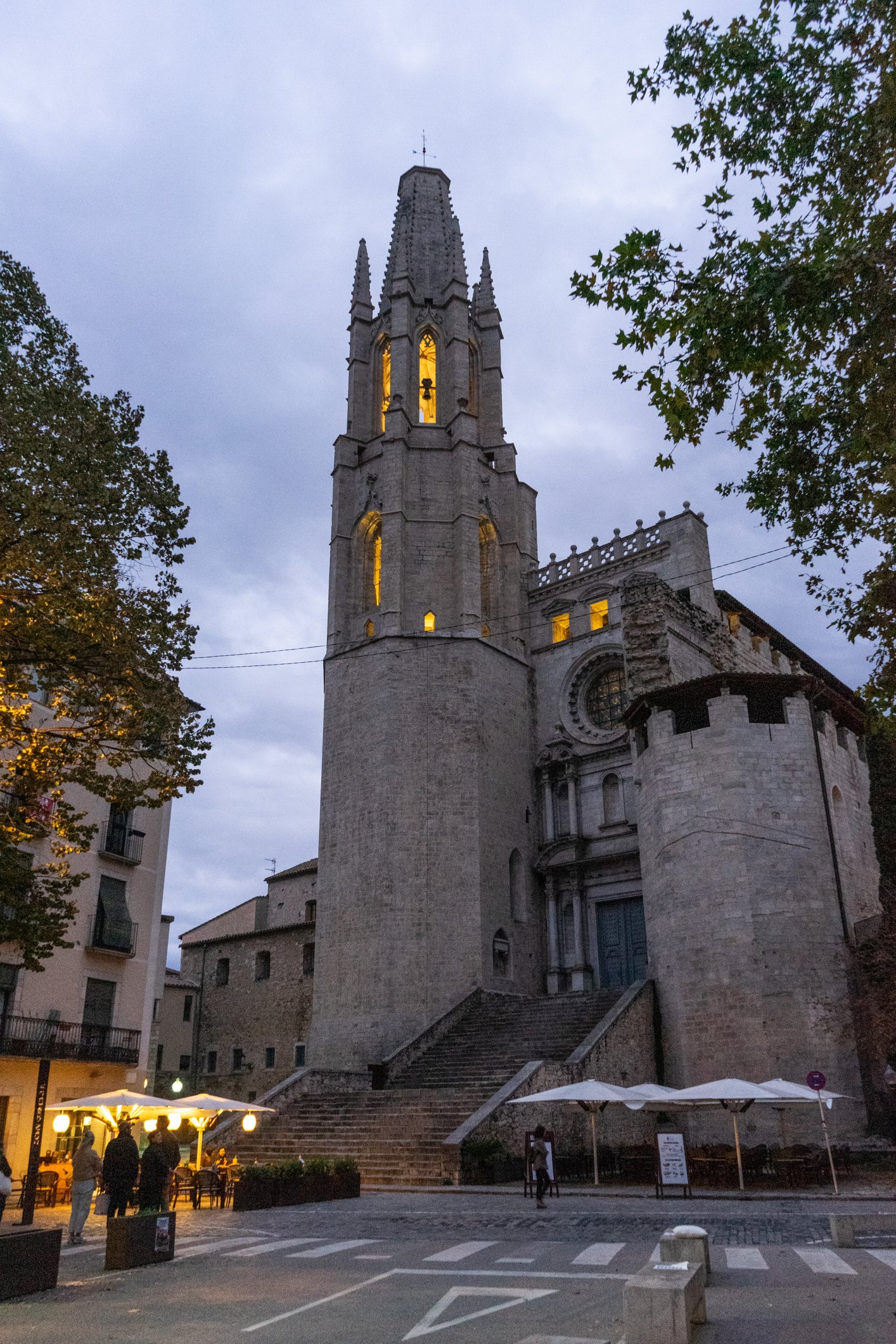
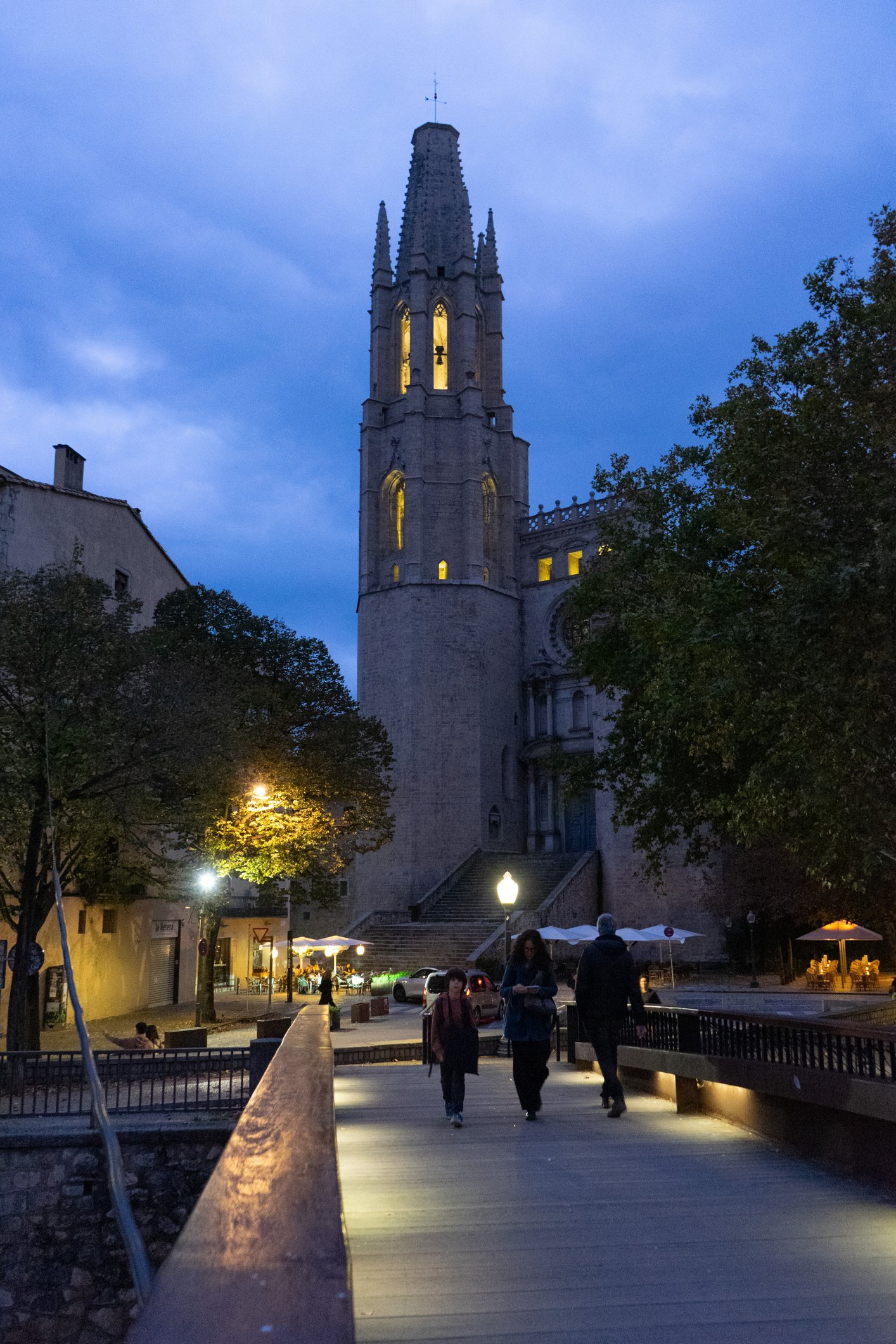
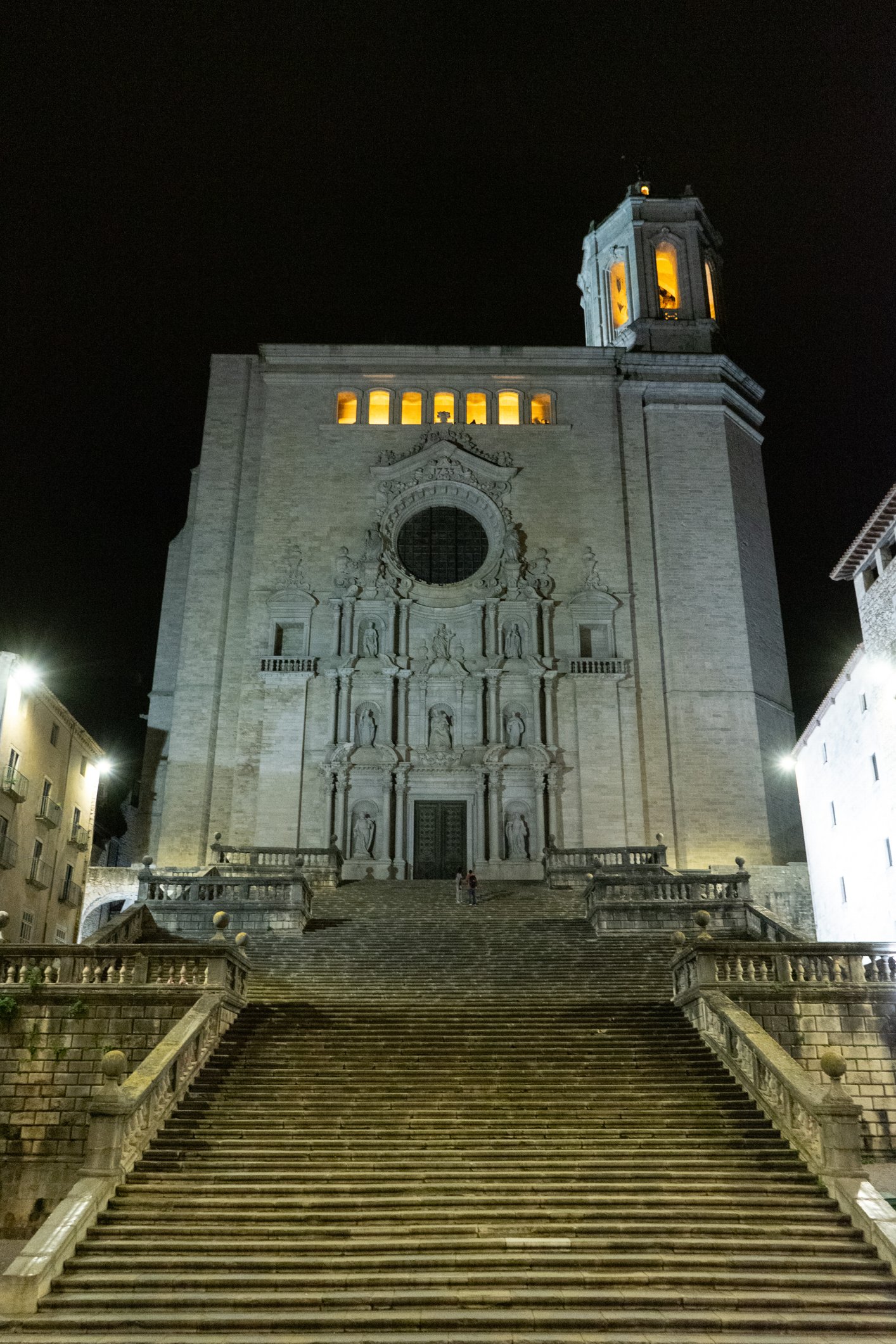
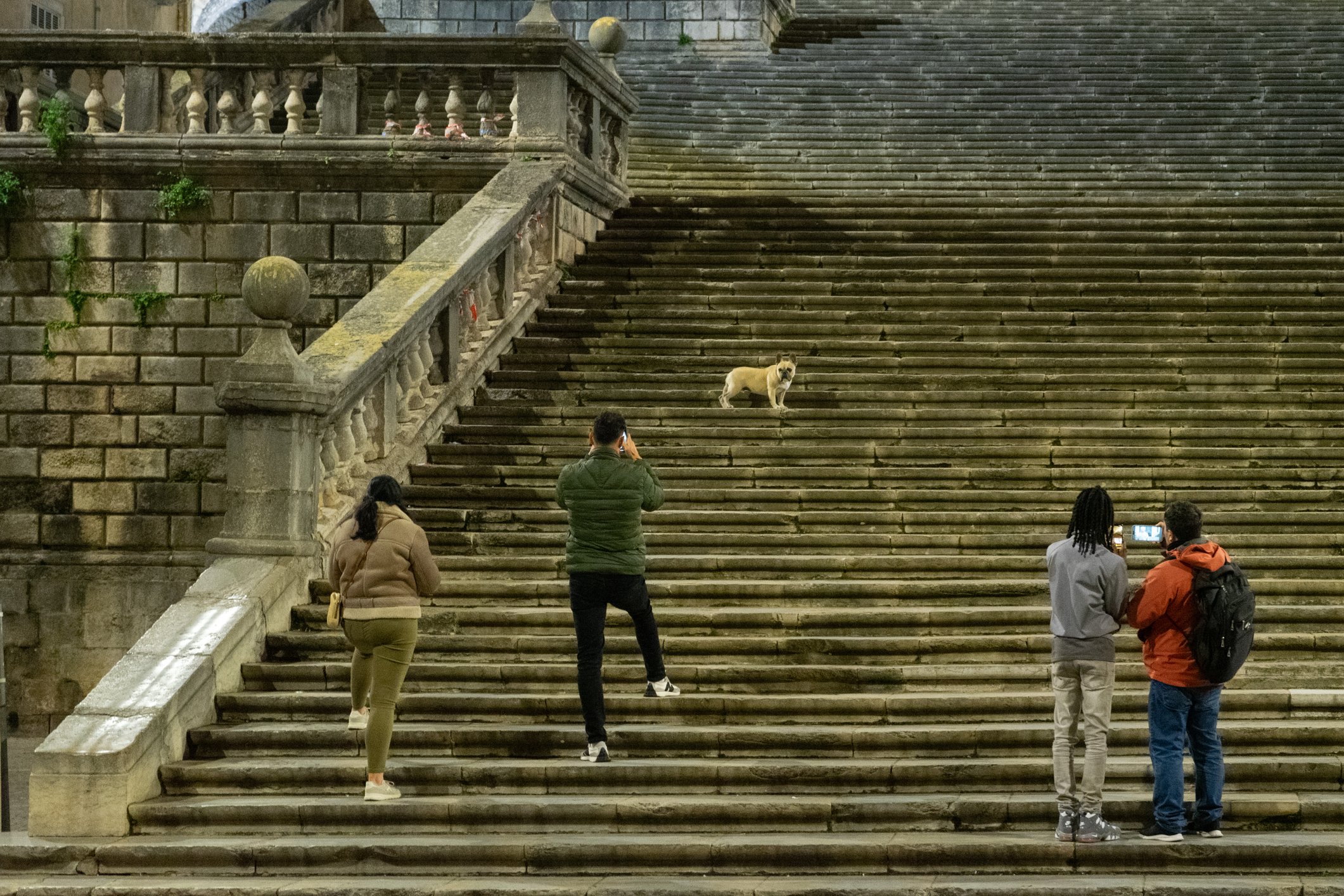
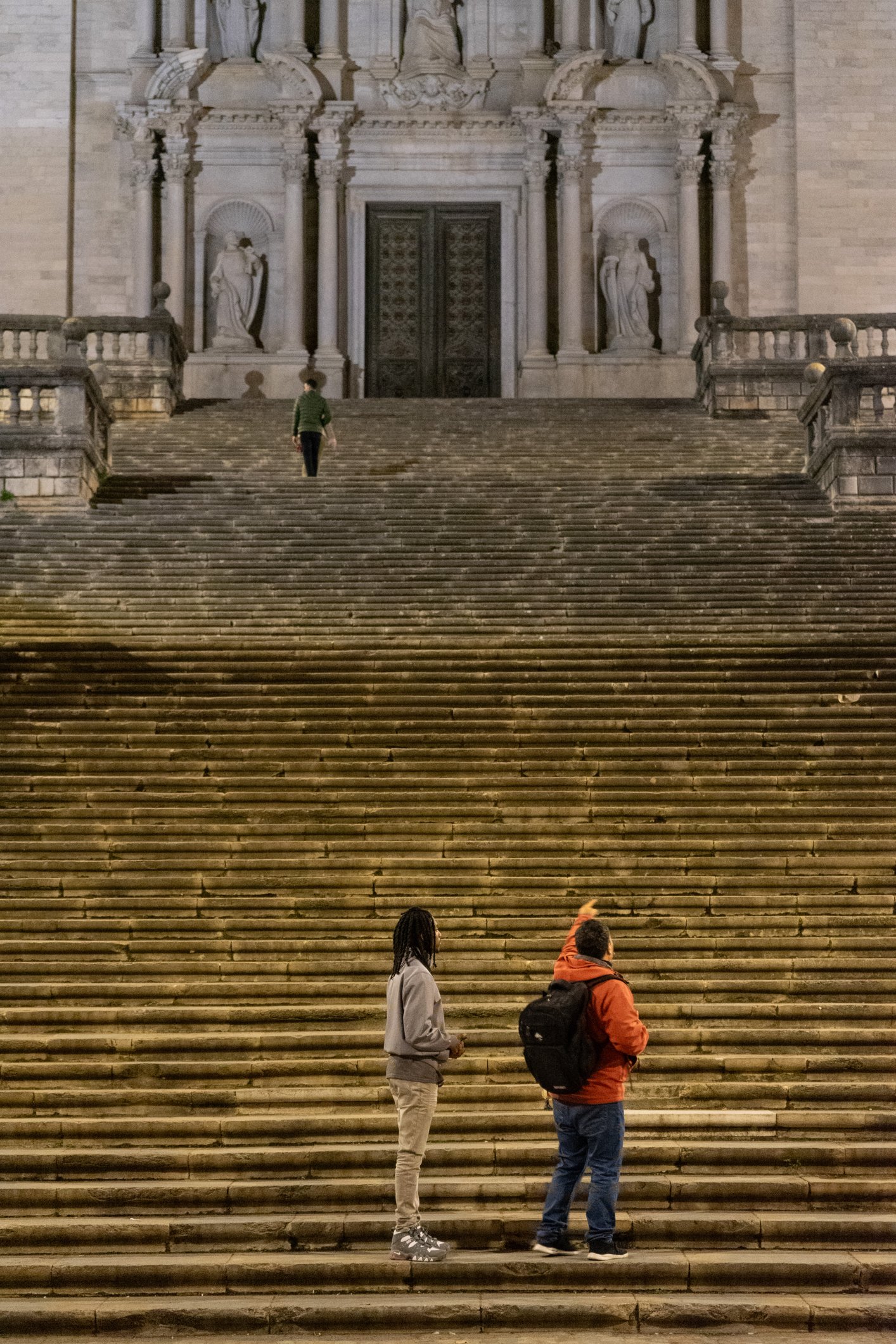
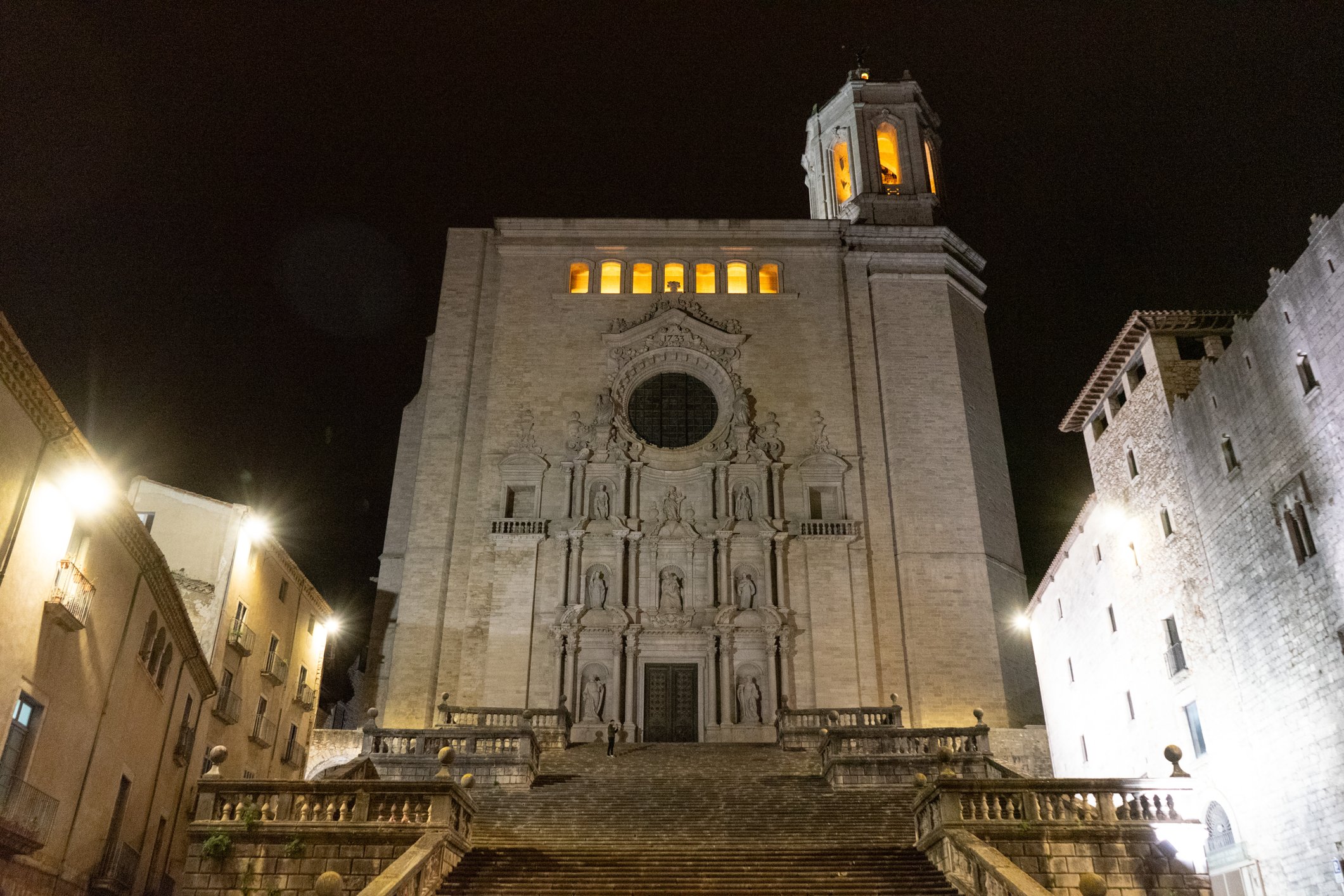
There is also quite a large garden with remains of ancient defensive walls (Jardins dels Alemanys). It is ideal for taking a walk. You can also chance upon local inhabitants of a cave, who were unfortunate with finding a viable accommodation at the time of investors investing to properties, because it is the easiest way to make money (meaning without working hard and good ideas).
Bird in the hand is worth two in the bush
The Czech version of the idiom is: A sparrow in the hand is better and a pigeon on the roof.
There is a luxurious restaurant Normal in Girona. The had a grilled pigeon seved with topinambur millefeuille (God knows what it is) with pickled mushrooms for 27 €. I sat down in the restaurant looking forward to the pigeon. Unfortunately, they had siesta, meaning it was closed.
Thus, I went to Bar-Restaurant La Terra where I had a “sparrow” in the form of a hamburger.
To be continued in the next article
The preceding article is (2) Zaragoza (Aragon), thieves and high-speed trains.
The series continues with (4) Spanish cuisine and overall impressions about Spain.
Here is a link to all points of interest written about in the article.
Here is a link to Montserrat.