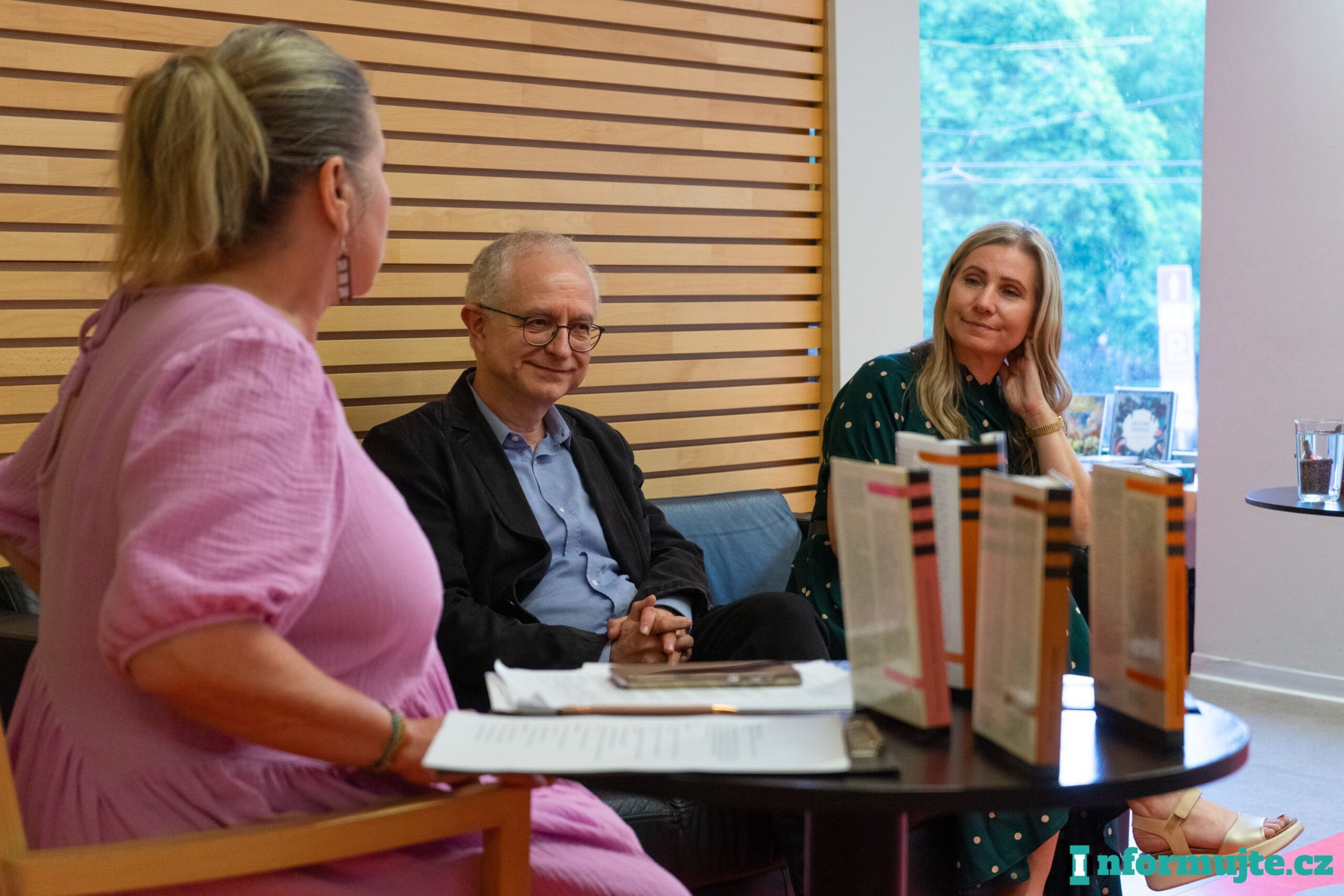

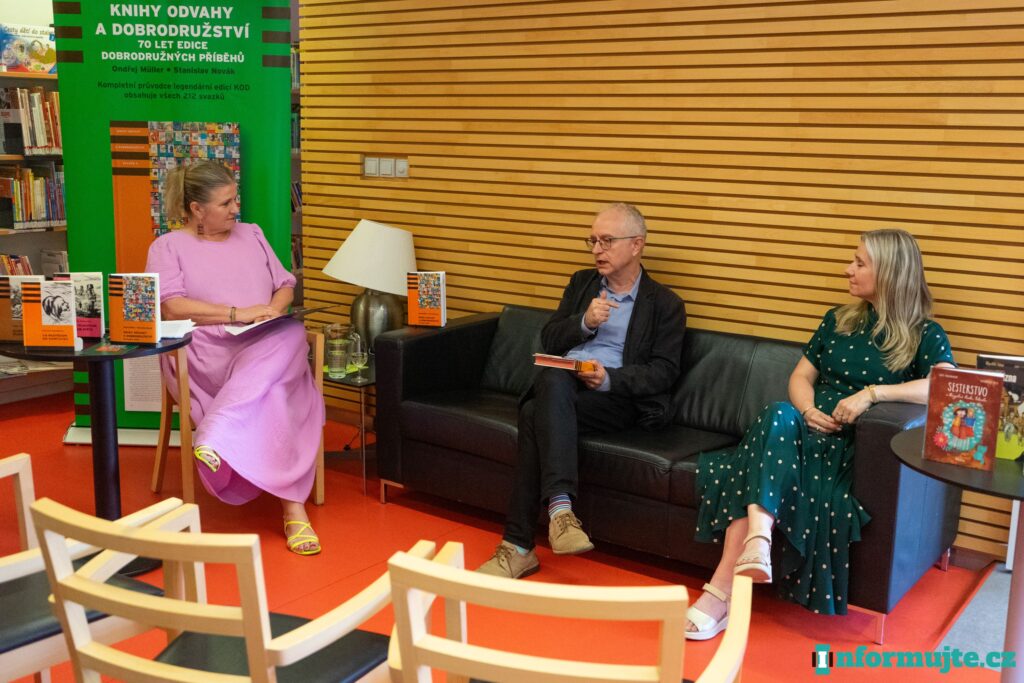
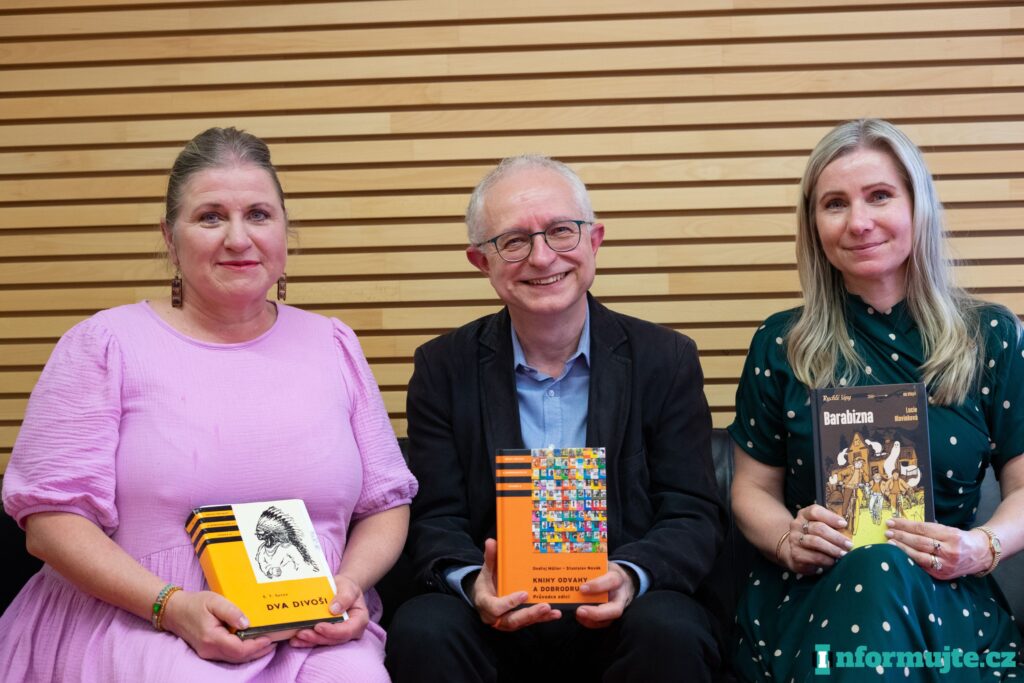
An event Book café talk took place on 9th June 2026 at Municipal Library of Prague – branch 7. It was a cultural event. The topic of the event was KOD books – the books of courage and adventure. The organizer of the recurring event is Radka Tesarkova. The invited guests were Ondrej Müller – a translator and a programme director at Albatros publishing house and Lucie Hlavinkova – a writer.
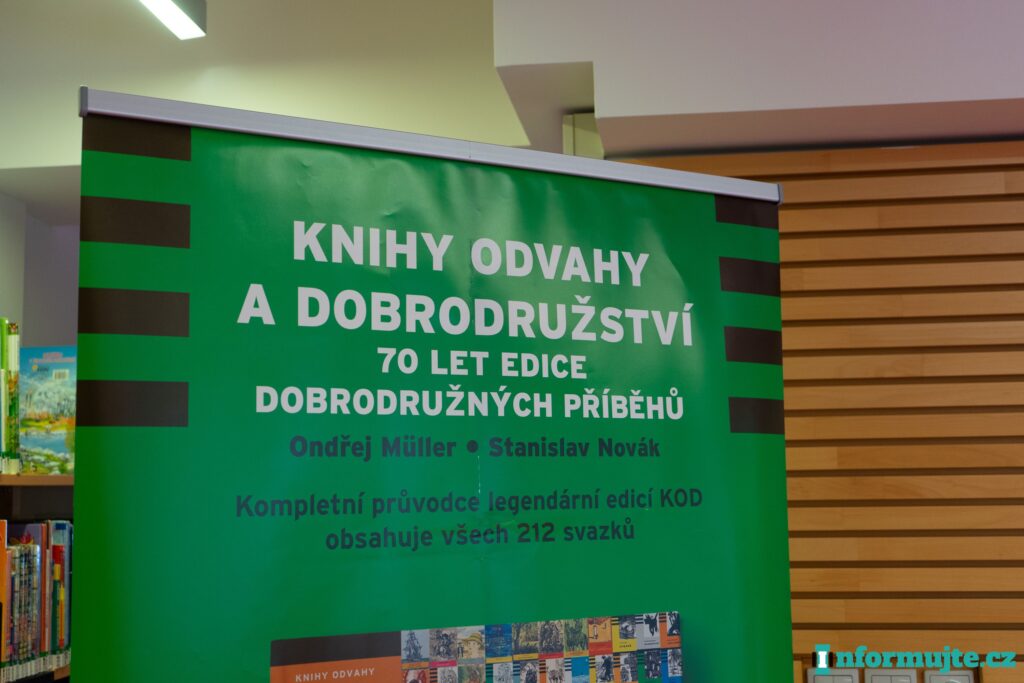
About guests
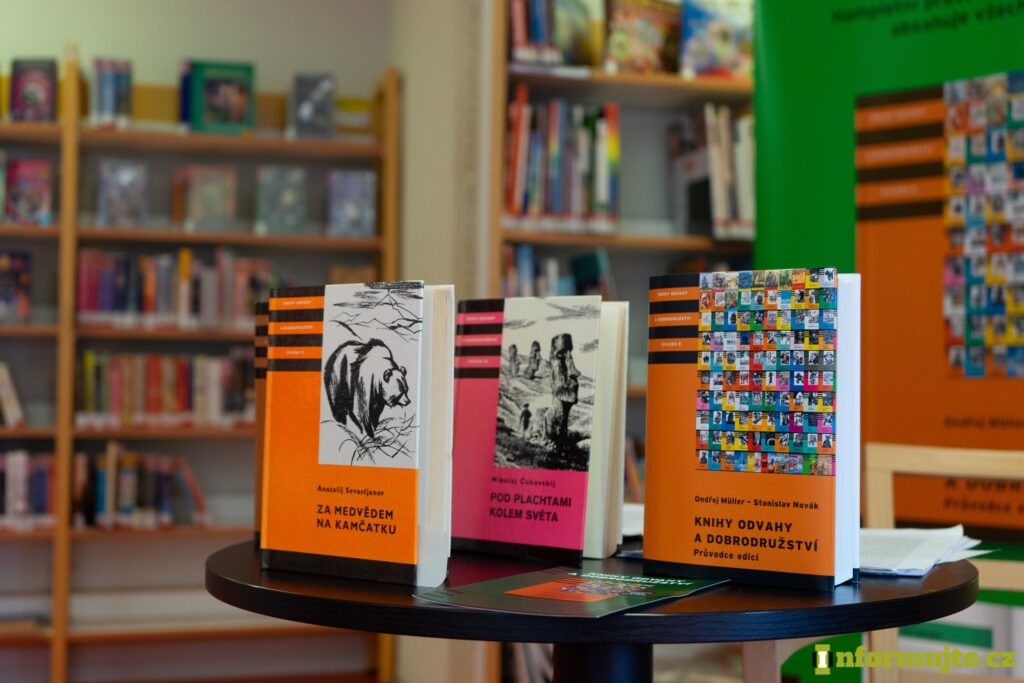
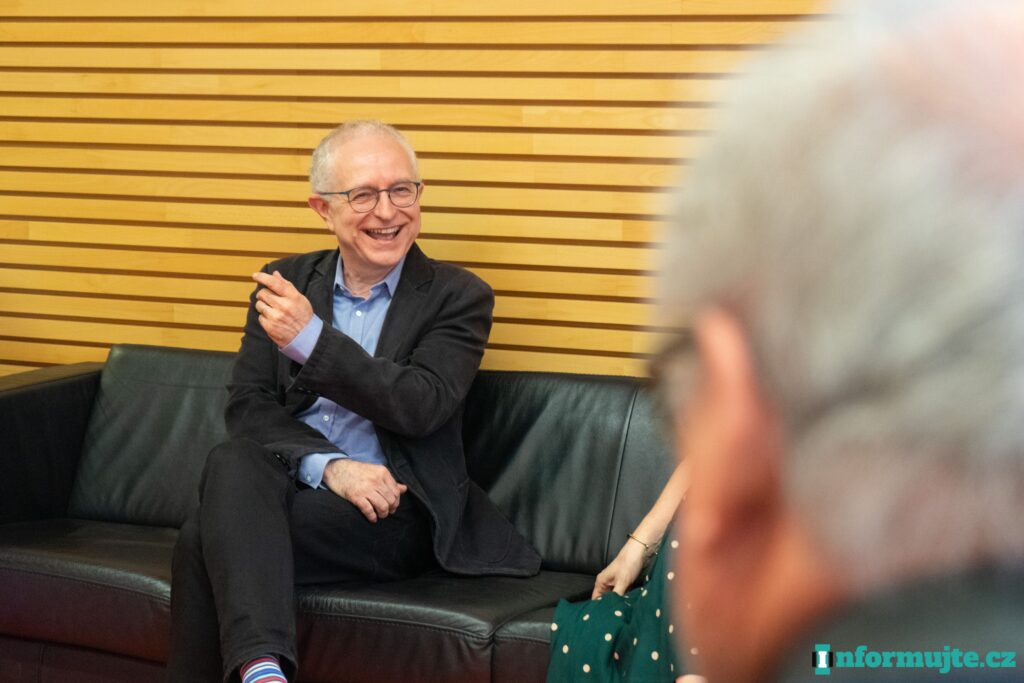
Ondrej Müller is a publisher, a translator from German and English and an author of sci-fi books commentaries. He works as a programme director at the Albatros publishing house. He co-wrote a book Books of courage and adventure: Edition guide along with Ondrej Neff and Stanislav Novak.
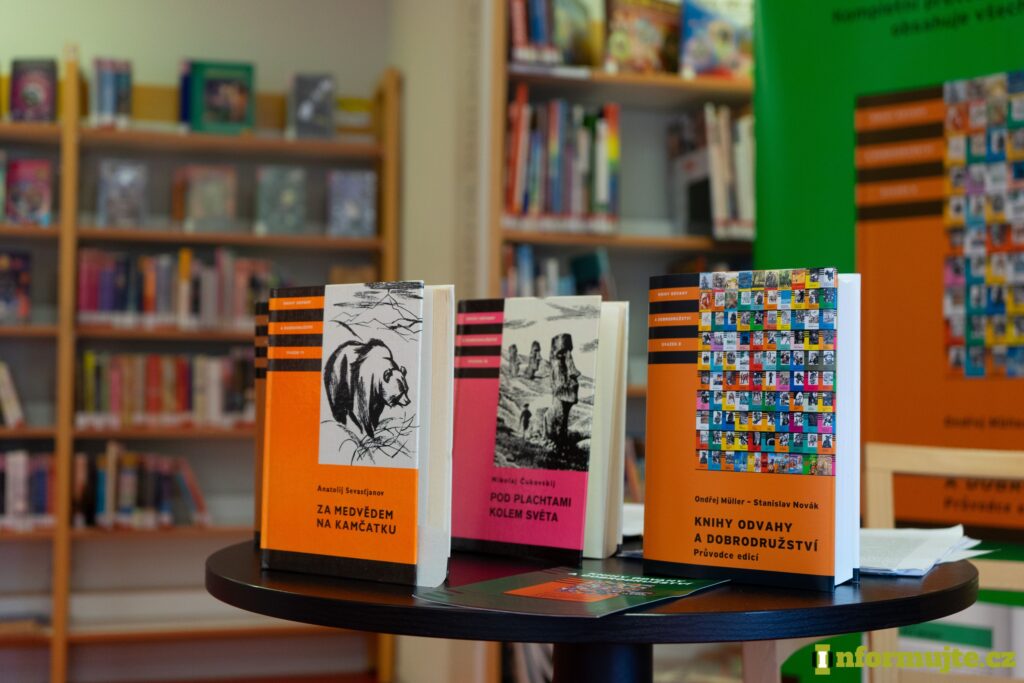
The book is a guide to a KOD book edition. The KOD book edition concerns itself with adventure and courage. The book (guide) includes covers, bibliographic data, contents and readers’ rankings of all 212 books published in the edition.
There are well-known books in the edition: Treasure Island, The Adventures of Tom Sawyer, Adventures of Huckleberry Finn, The Three Musketeers, Vinnetou, The Black Corsair, Lassie Come-Home, White Fang and so on.
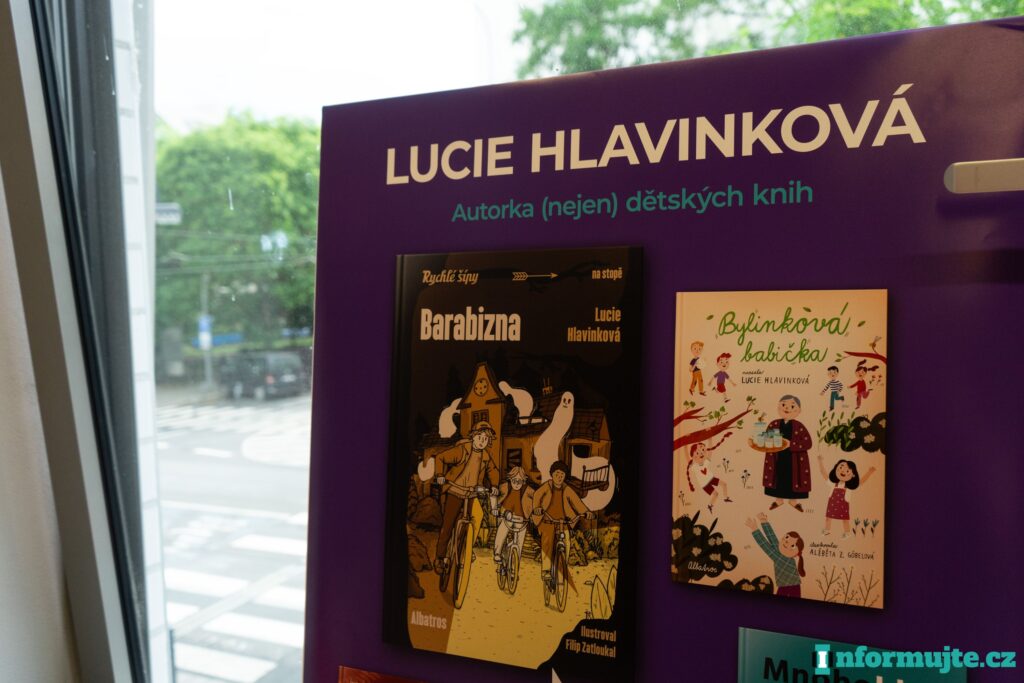
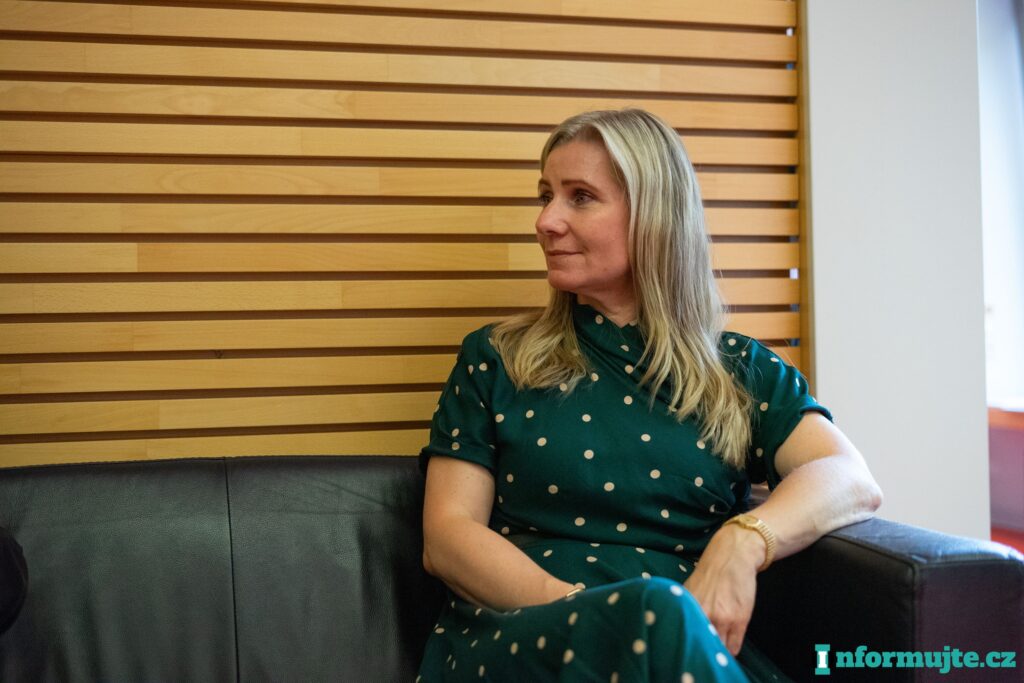
Lucie Hlavinkova is a writer. She won a contest “Looking for an author of a bestseller” with a sci-fi short story Seance. She studied history and religion. She wrote her first story when she was a small child. The name of the story was “The adventures of Bob – the dog”. She lives in Brno. She concerns herself with teaching and writing. There are among the books which she wrote: Gottwaldova mumie, Kdo šije u Podolské? and Svátek hada. The books are set in communistic era of Czechoslovakia and abroad. They tell stories of lives of people who lived at that time. It tells readers about good and bad moments of a life during the communism and how the characters deal with it.
Publishing books during communism
Mr Müller had a long talk about how publishing books worked during the communism. There was a censor board to whom it was necessary to justify why a book should be published. There were three categories of authors which had a chance of being published and were allowed to be published. Two of them interested me: Progressive foreign authors and novels by writers who received a guarantee that they would be acceptable from people considered to be “trustworthy and pro communistic” by the communistic regime. One of the progressive foreign authors was Jack London. Jack London came from a working-class background, was poor and died poor. The fact that he got himself killed by drinking too much alcohol was not so important for the regime. The most important was for a writer to have a good class background. Ideally, a revolutionary or somebody with a prosocial way of thinking.
It was also important write an acceptable and edible editorial/afterword for the books being published. Especially for books of writers who didn’t have such a socialistic way of thinking. Due to a well-written editorial/afterword, it was possible to publish even capitalistic western writers who wouldn’t have been published otherwise. Of course, people knew the editorials/afterwords were nonsense. However, it was a necessary prerequisite to even publish these authors.
The first book from the KOD book edition had to be written by a Soviet author for such an edition to start. Adventurous stories were somehow perceived capitalistic, western and related to the first Czechoslovakian republic and considered improper by the communistic regime.
Mr Müller also mentioned that during Normalization when a school inspector came to a school, teachers opened and read books by Soviet authors so that they wouldn’t get into troubles.
The socialistic economy didn’t work on an open market offer and demand rules. Communists wanted children of labour class parents to read books. To do that and to make books available to these children, prices of books stored in warehouses were changed (lowered) by sticking new price tags. That was carried out so the books would be affordable for the children of labour class parents.
As Mr Müller pointed out: “Soviet Union was very good in books and reading culture. The number of people reading books was the highest there.” However, he also added: “But what was useful it for? It didn’t help them with making progress anyway.”
Number of printed copies then and now
A book cost 22 Kčs in 1986. The book Books of courage and adventure: Edition guide by Mr Müller costs 779 CZK nowadays. After doing a little bit of math. It was possible to buy 134 books in 1986 for an average salary (2 950 Kčs). It is possible to buy 64 books for an average salary (50 282 CZK) in 2026.
The number of printed copies of a book in the KOD edition was around 50 000 pcs. Nowadays it is usually printed around 1200 pcs. If it is a bestseller, it is between 2000 and 2200 pcs. Exceptionally it is 3000 pcs which is considered very good. “Print less copies in the first print run and then print more in the following print runs.” That is a saying of publishers nowadays.
Mrs Hlavinkova added that even though the number of printed copies is low, people often buy a book after borrowing it from a library and reading it. They want to own their own copy of the book.
Mr Müller got a question: “Why is the number of printed copies so low?” He replied that there are many reasons why.
There are among them:
- People and children use the Internet instead of books.
- Bad mood in society related to the contemporary state of the world affairs as wars and everything getting more expensive. It results in people not knowing how the future will unfold.
- Books are very expensive.
- Oversupply / Saturation of the Czech book market as there are too many books.
- And parents investing in different things (necessary things) than books nowadays.
Love to read and literature awards
Both guests mentioned what led them to books and reading and why they are where they are. It is love of reading. They were talking about their childhood. Mrs Hlavinkova read novels by Jules Verne the most. Librarians liked her because she read all books. She liked sympathizing with characters in books emotionally. She felt like being them.
Mr Müller was fascinated with books from the KOD edition. The books told with him how to survive in nature. He also mentioned he tried sowing shoes out of leather he got from his father. Instructions how to sow them were in the books.
Both guests mentioned awards and acclaim they receive for their books. It always pleases them. They perceive it as a form of a reward.
Both of them like sci-fi books. A book The Three-Body Problem by a Chinese writer Liu Cixin was mentioned. The main topic of the book is a Dark forest hypothesis. The hypothesis states it is better for humanity not to let others in the universe know about our existence and not to contact other extraterrestrial civilizations. Contacting them could have very negative consequences for us.
“I was fed up with the KOD edition”
For writing the aforementioned book, Mr Müller read all 212 books in the KOD edition. When he read 140th one, he didn’t want to carry on reading, he was fed up with it. However, “would-be” ill older people kept coming to him telling him that they wouldn’t live up to the day of the book being published. It motivated him to carry on and read all 212 books.
What courage is in books by Lucie Hlavinkova
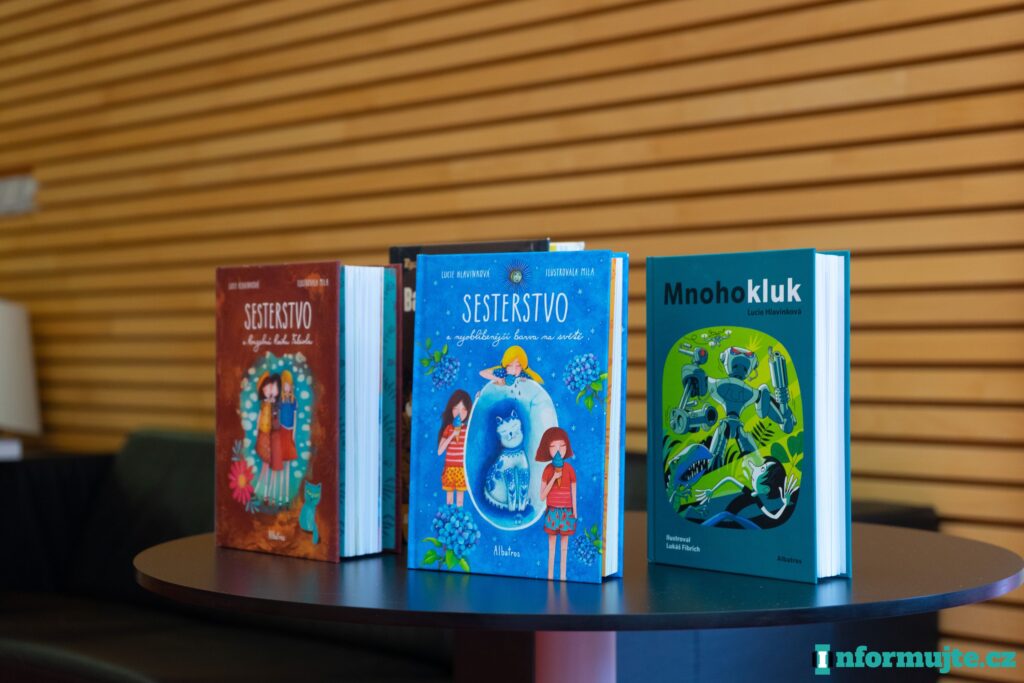
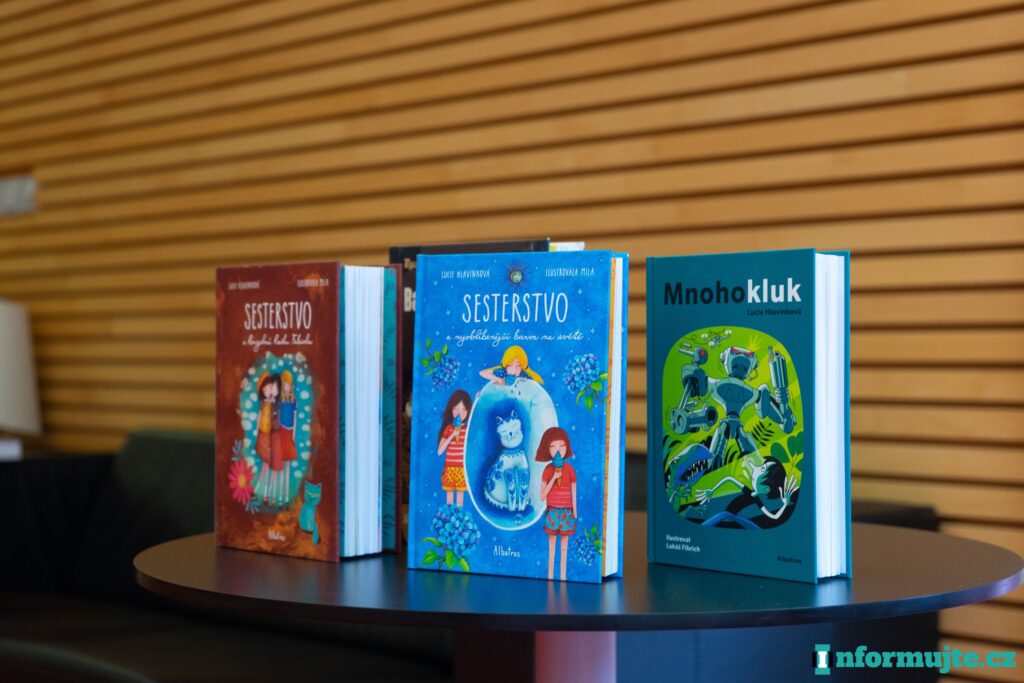
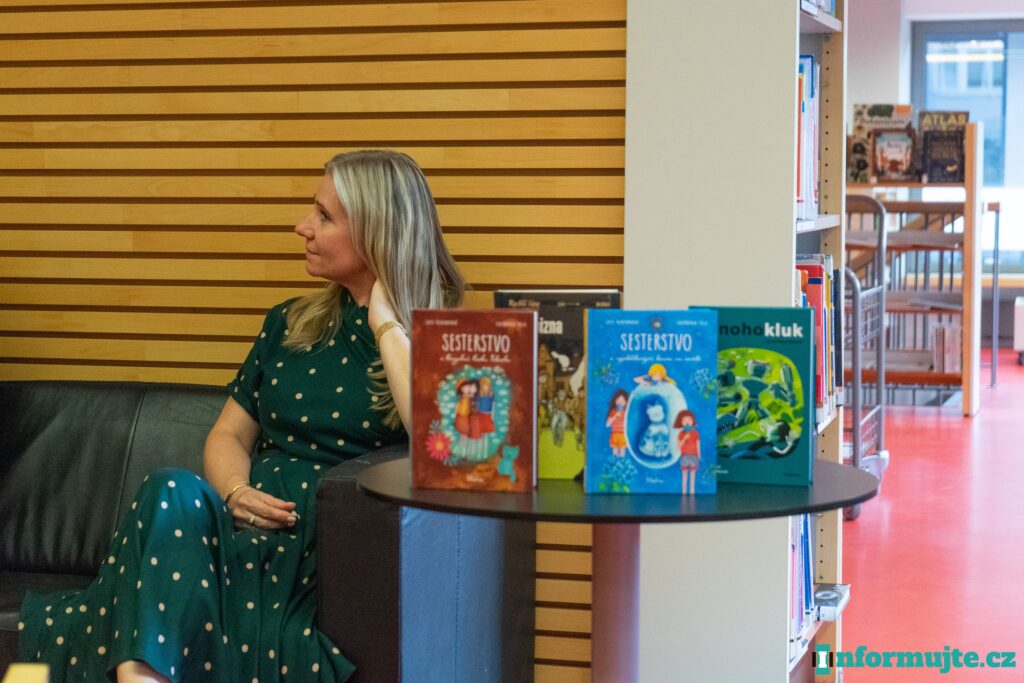
Main characters in books by Mrs Hlavickova must face their own fears and anxieties and try to deal with them. An ability to face the fears and anxieties is what Mrs Hlavickova means by courage. It can help contemporary generation of children. The contemporary generation has their own fears and anxieties and must learn to deal with them. She also mentioned a books series Sesterstvo (Sisterhood) which is intended for younger audience.
She organizes or attends many book events for children. Children come to her to tell her they identify themselves with characters in her books.
Why attendants came
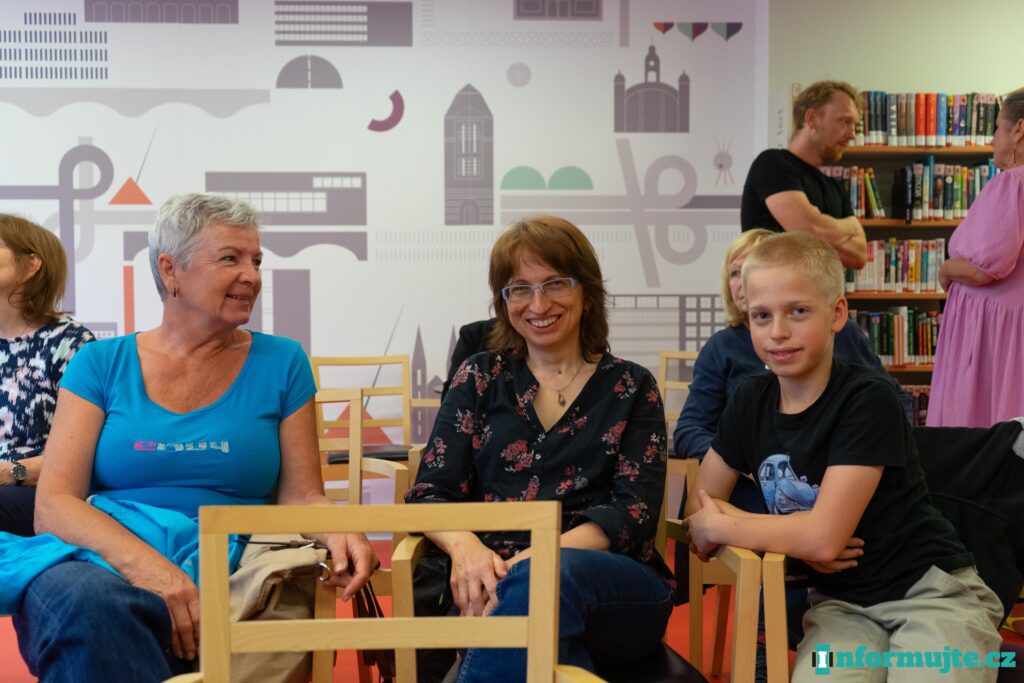
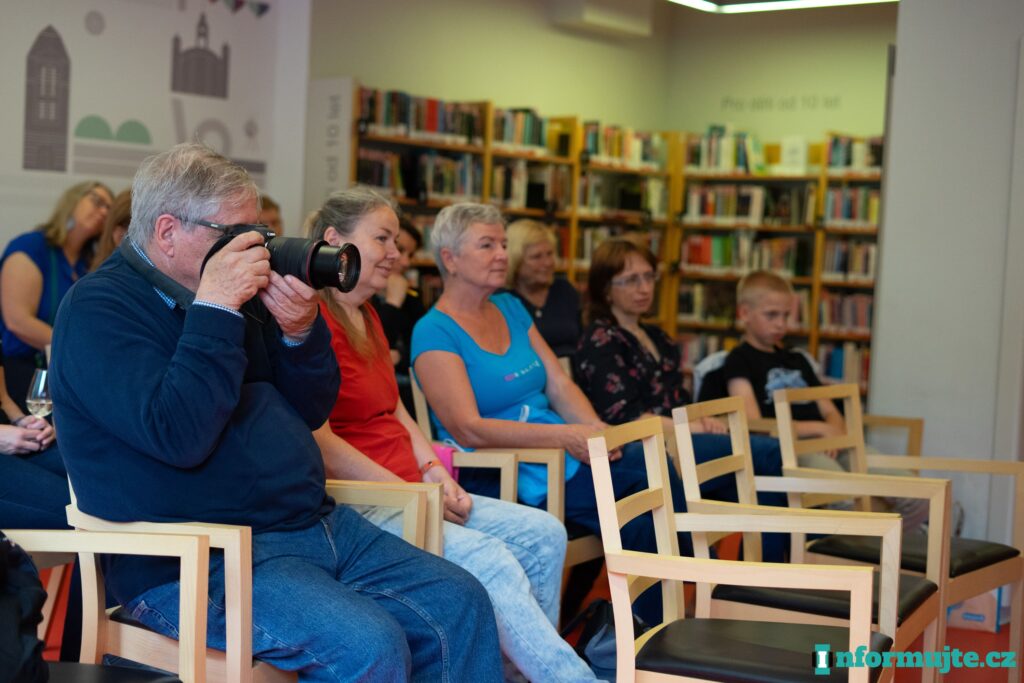
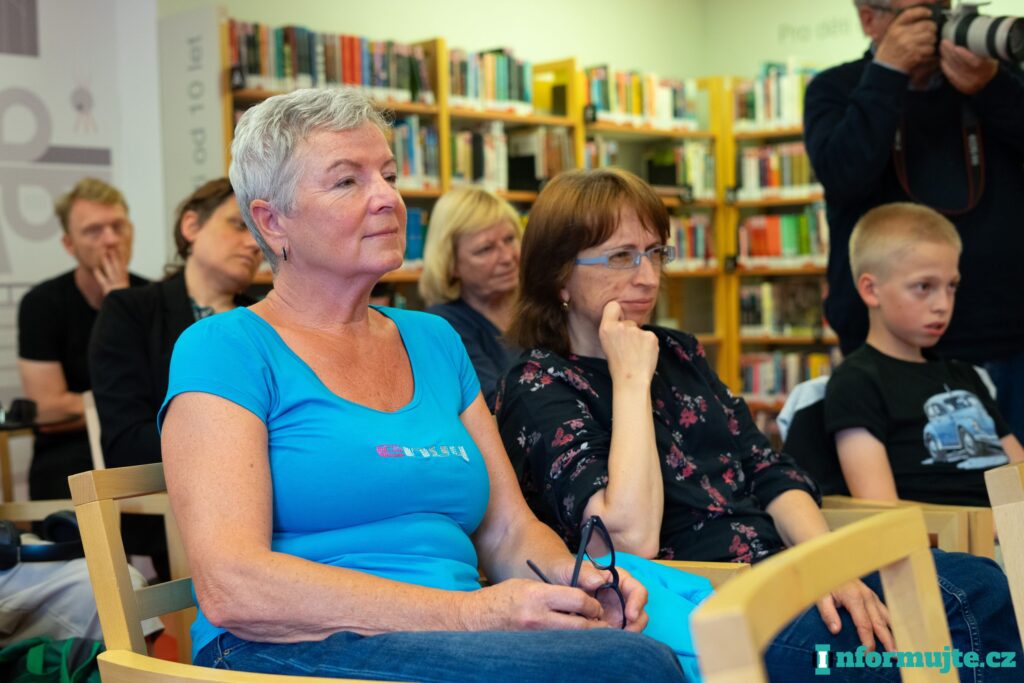
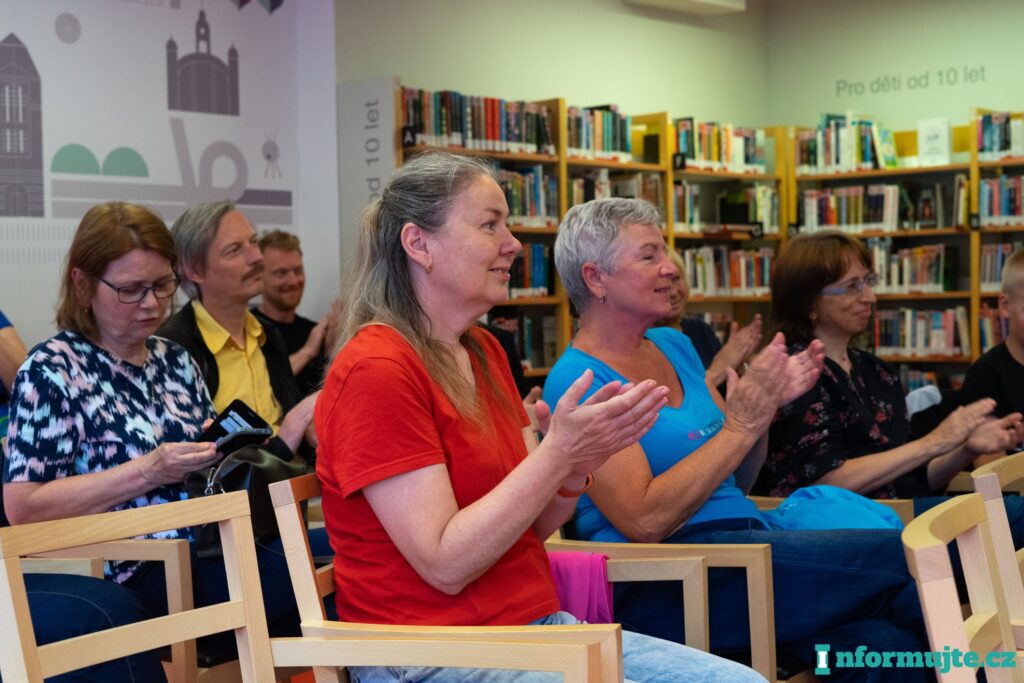
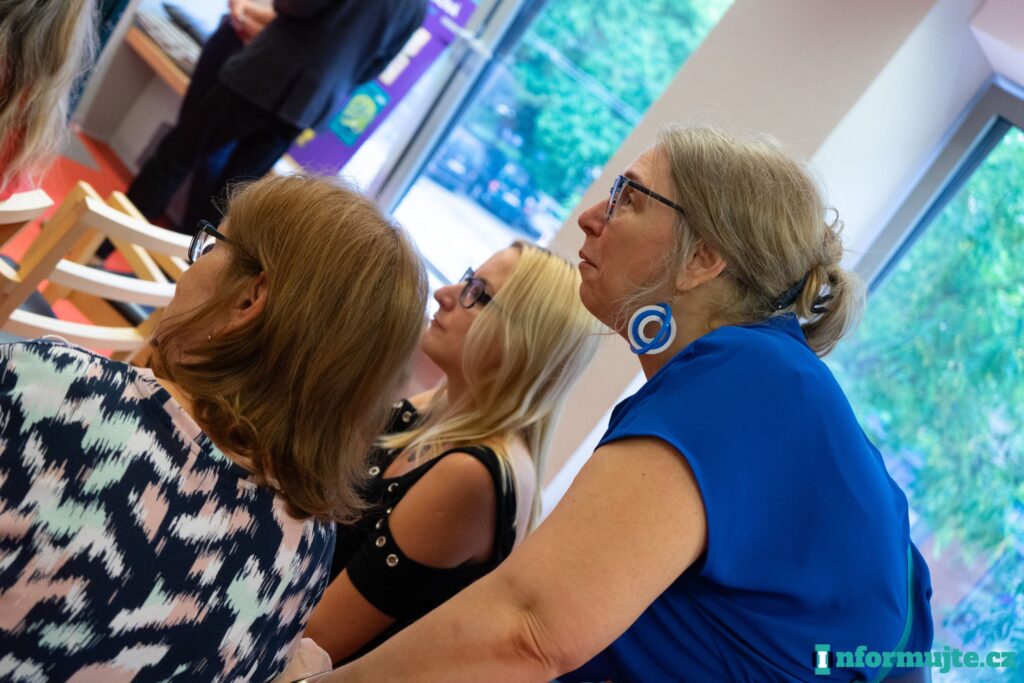
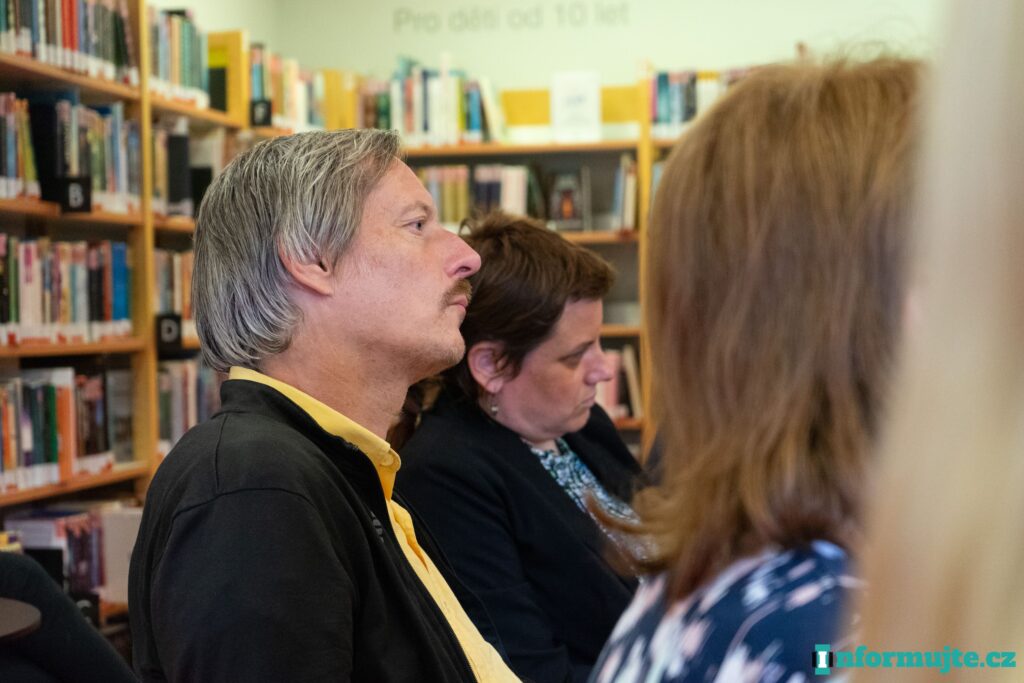
One attendant mentioned that the reason why she came was that these books were her childhood. Especially books by Karl May.
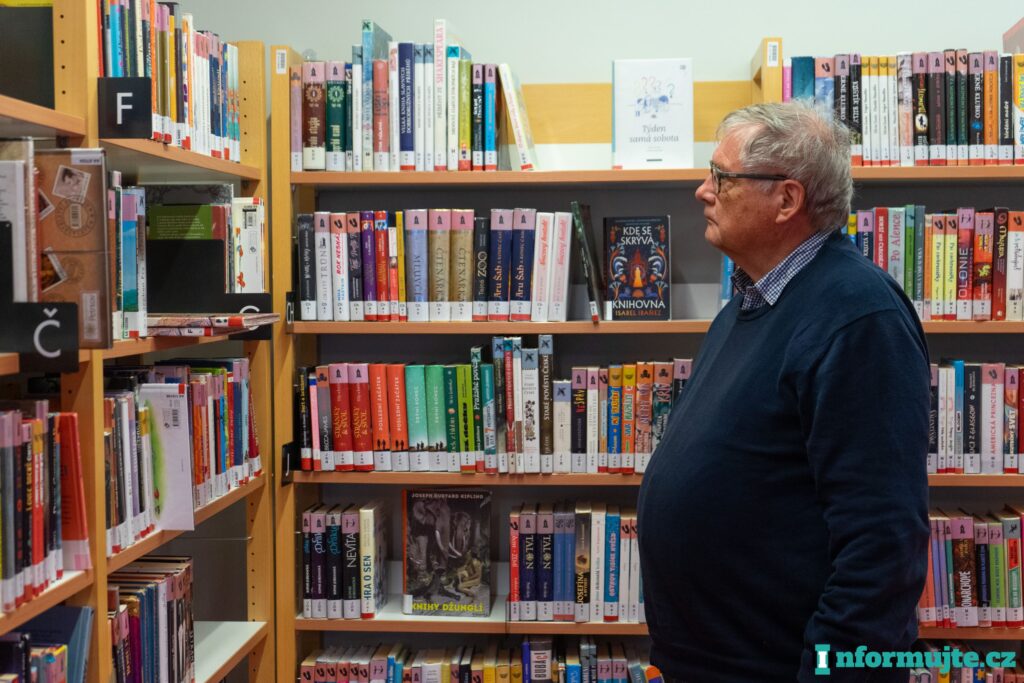
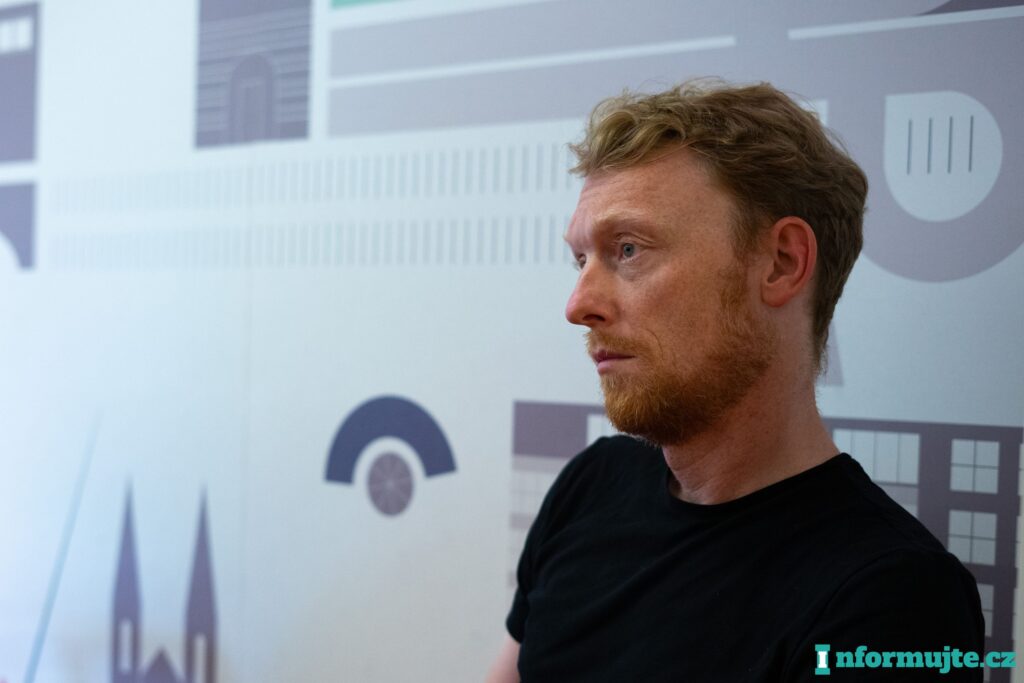
“I wanted to talk about books with authors and attendants”
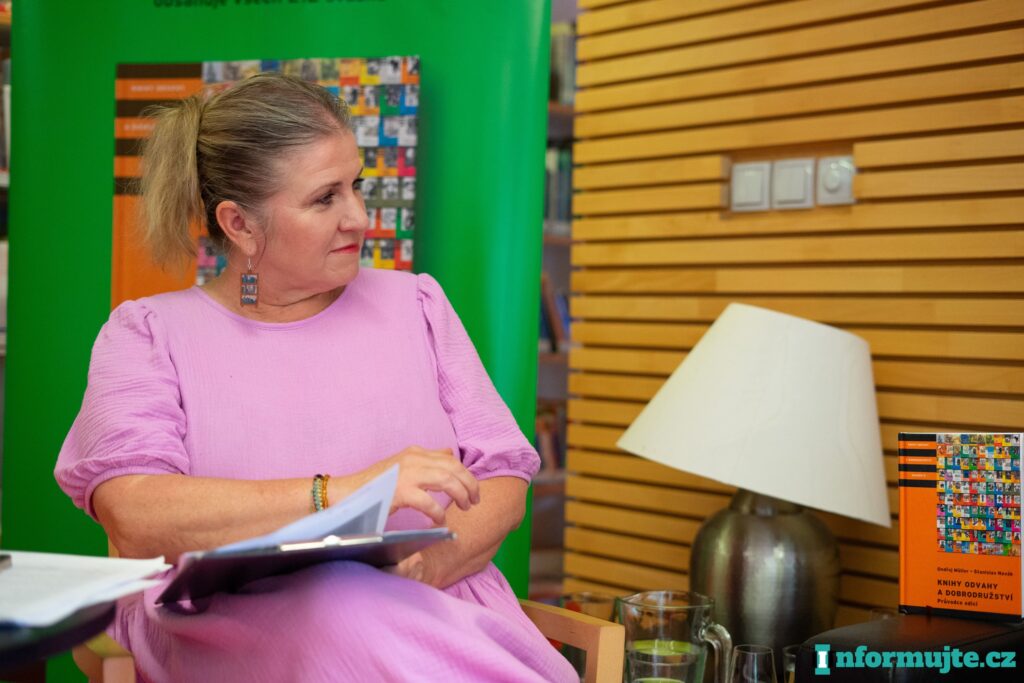
Radka Tesarkova, the organizer, was motived to start the event because she wanted to find out more about books and writers. She wanted to discuss books with writes and the audience. She considers herself to be a book lover and a bookworm. She began holding the event before the Covid. Unfortunately, Covid hampered her efforts. After the Covid City library Prague 7 offered her to organize the event at their premises. Mrs Tesarkova is glad for it.
Evaluation of event
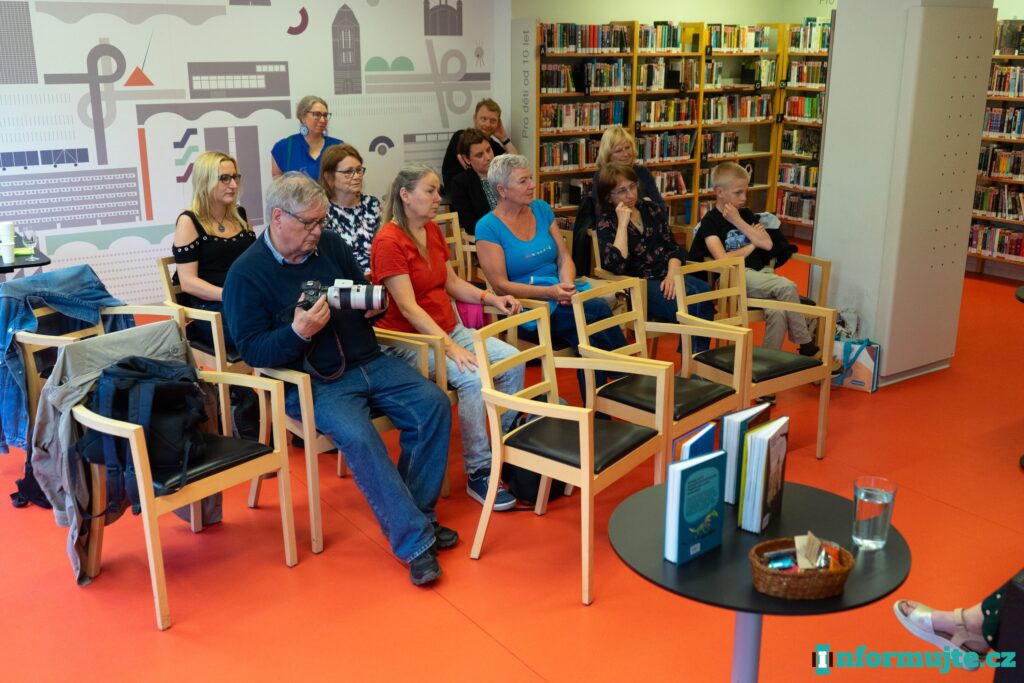
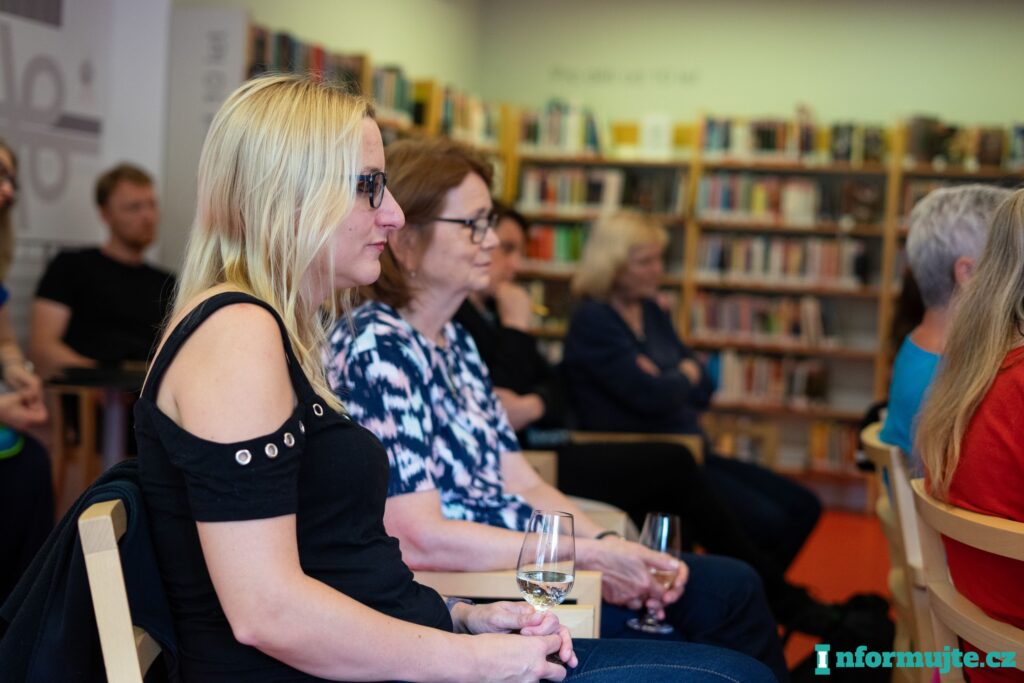
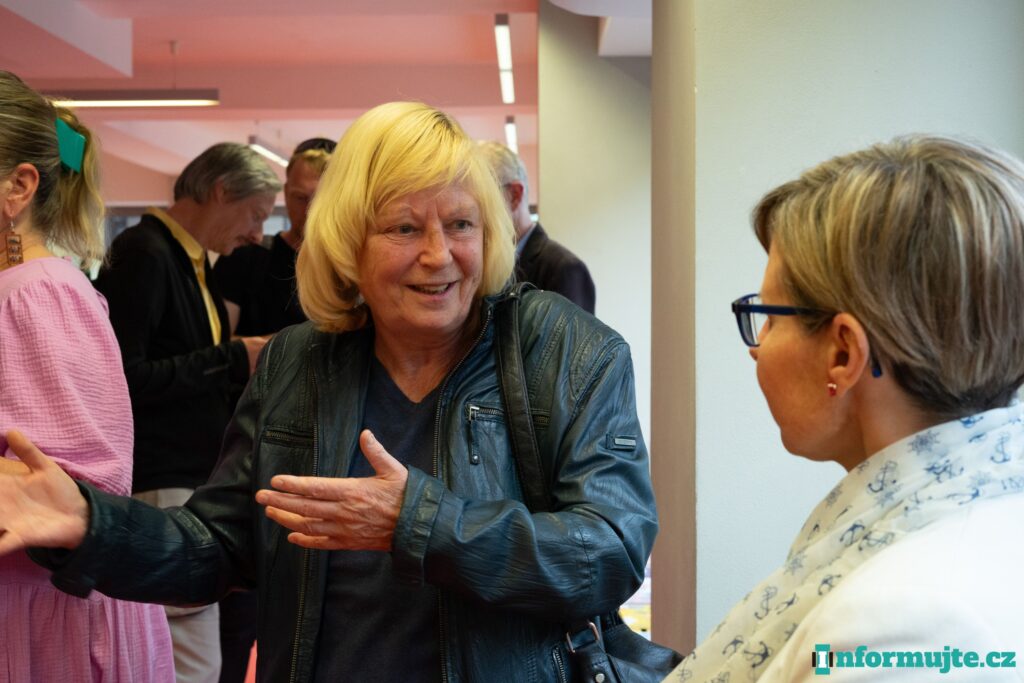
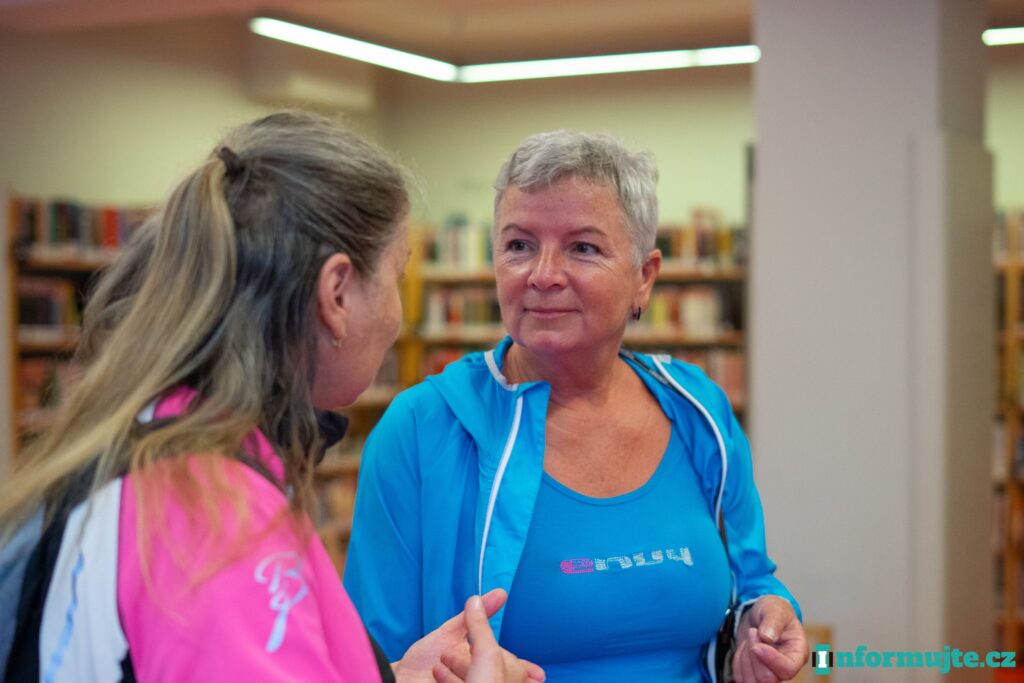
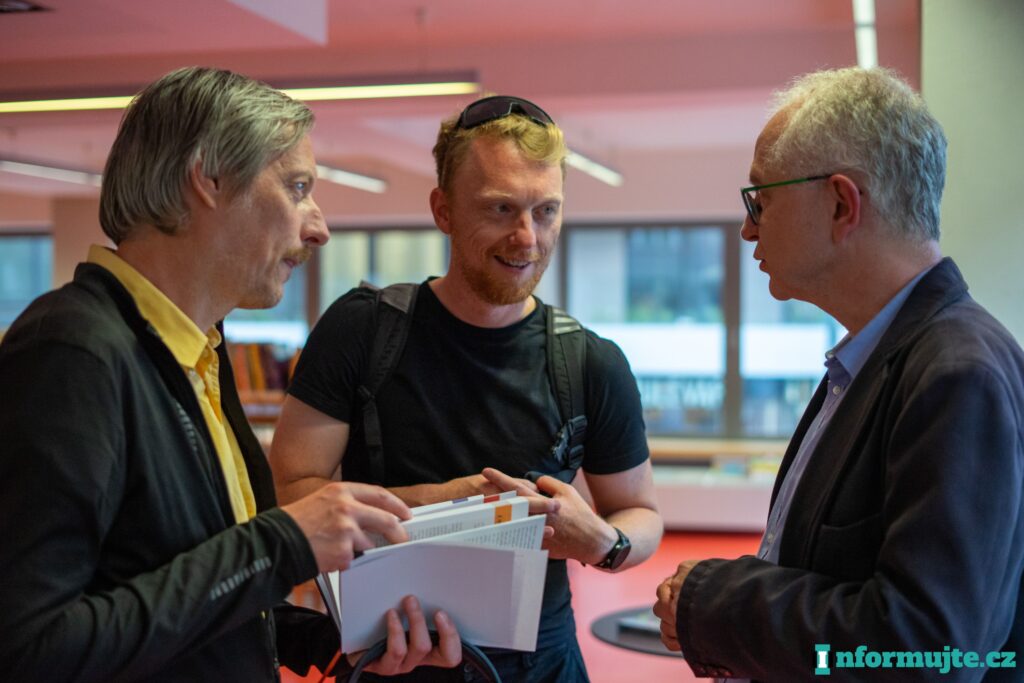
The event started on time. There were chairs prepared for sitting. There was a table with free water and cups. It was also possible to buy a glass of wine for 50 CZK at the event. During the event, attendants could join the discussion. Either by the organizer asking questions or attendants asking on their own.
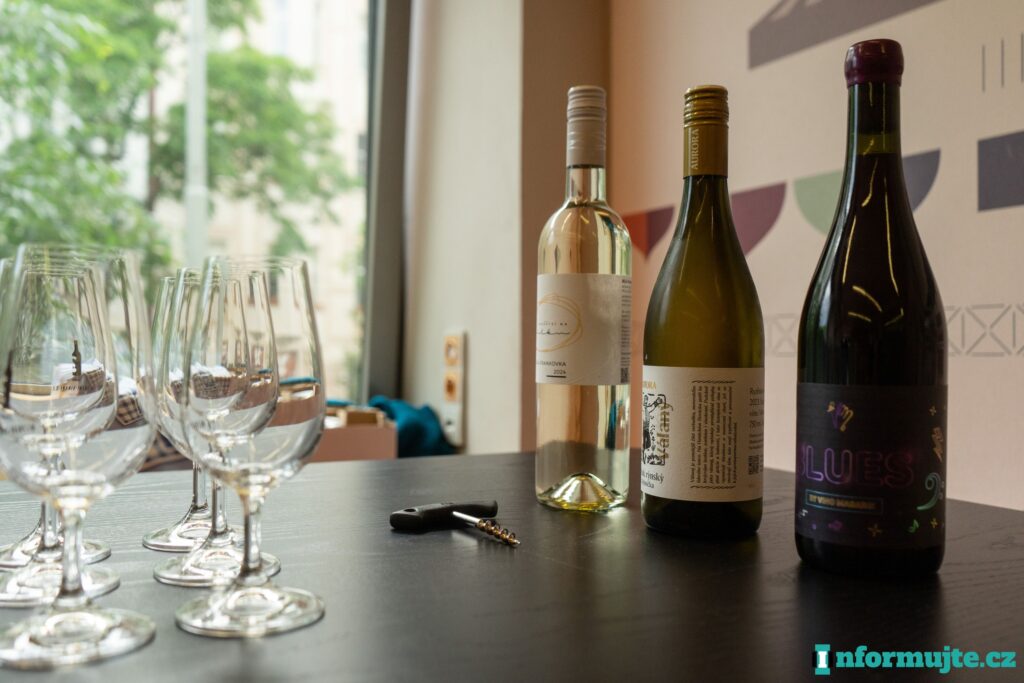
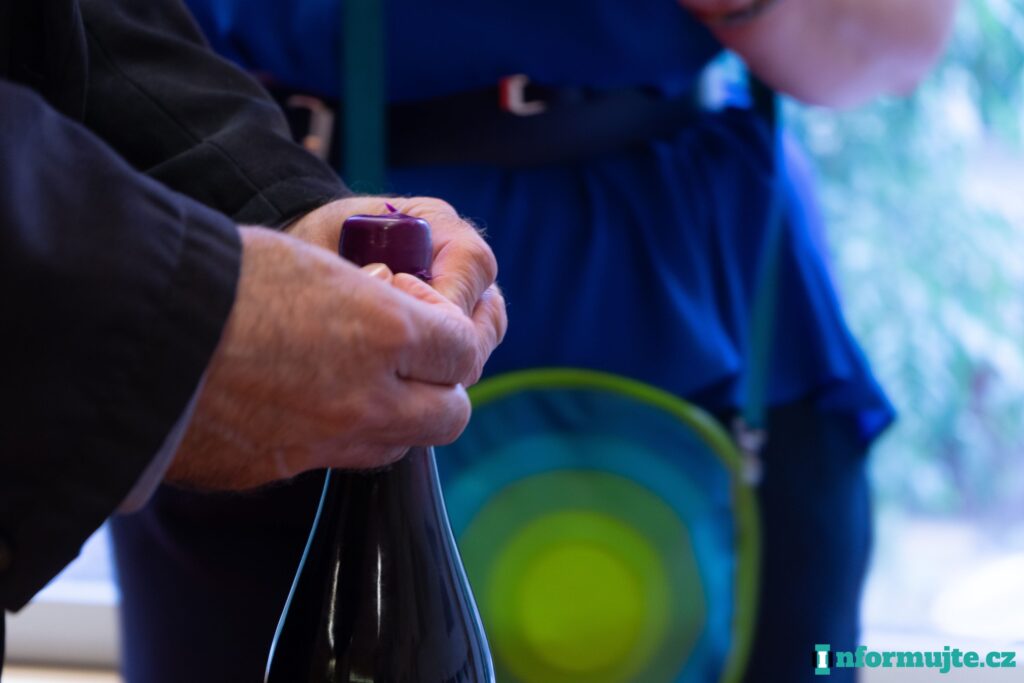
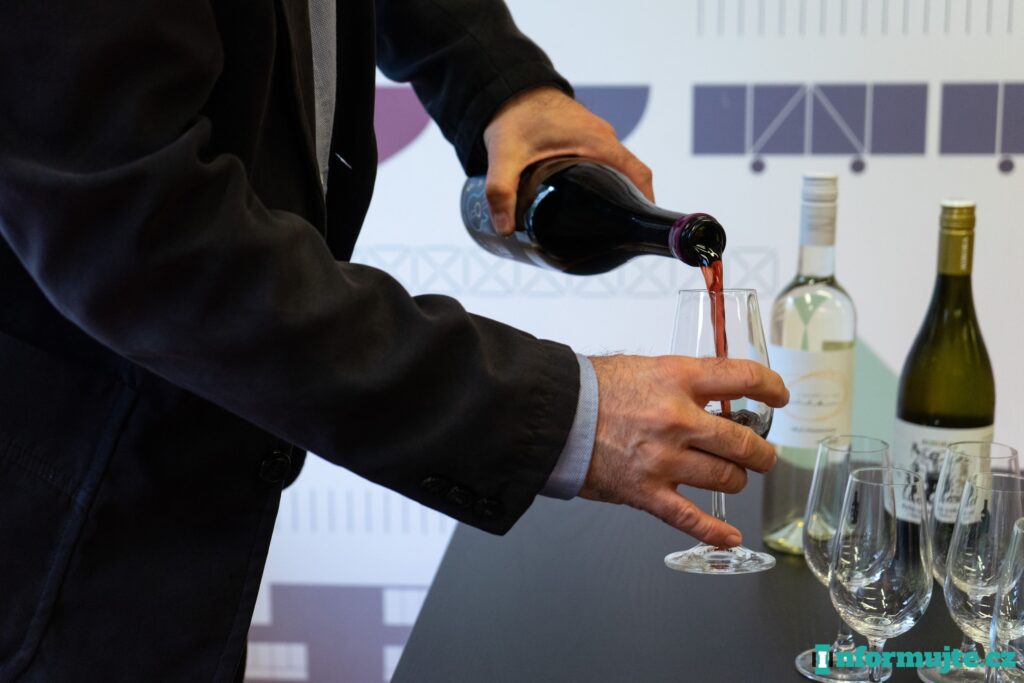
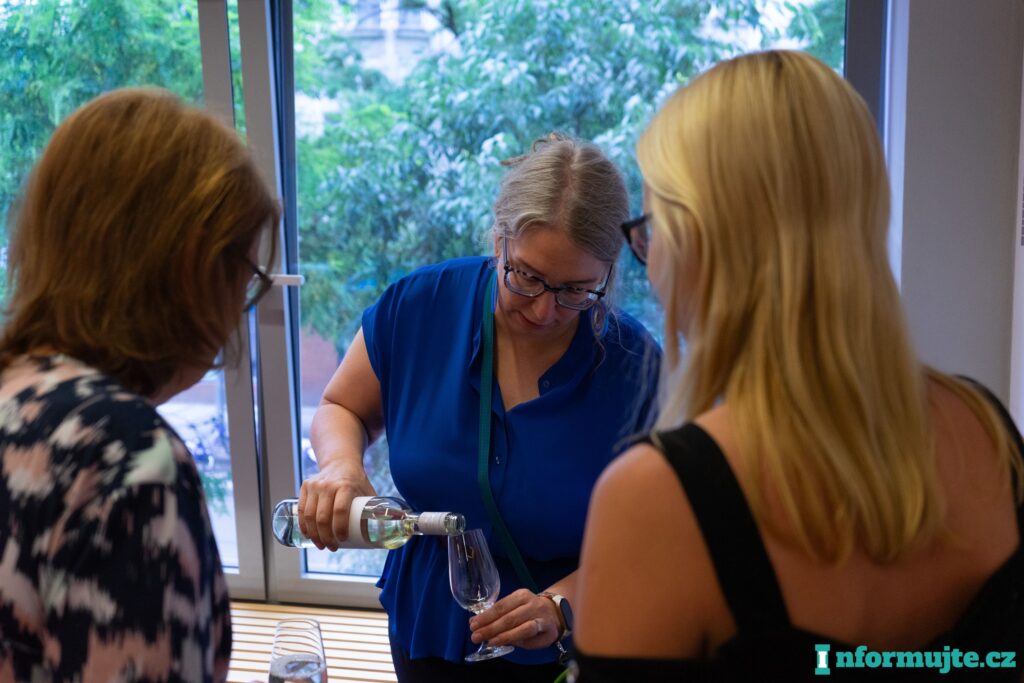
After the end of the official part of the event, attendants could stay and have a chat with other attendants, guests or the organizer. The event fulfilled my expectations about how events should be organized, the quality of the content and the audience participating in the discussion.
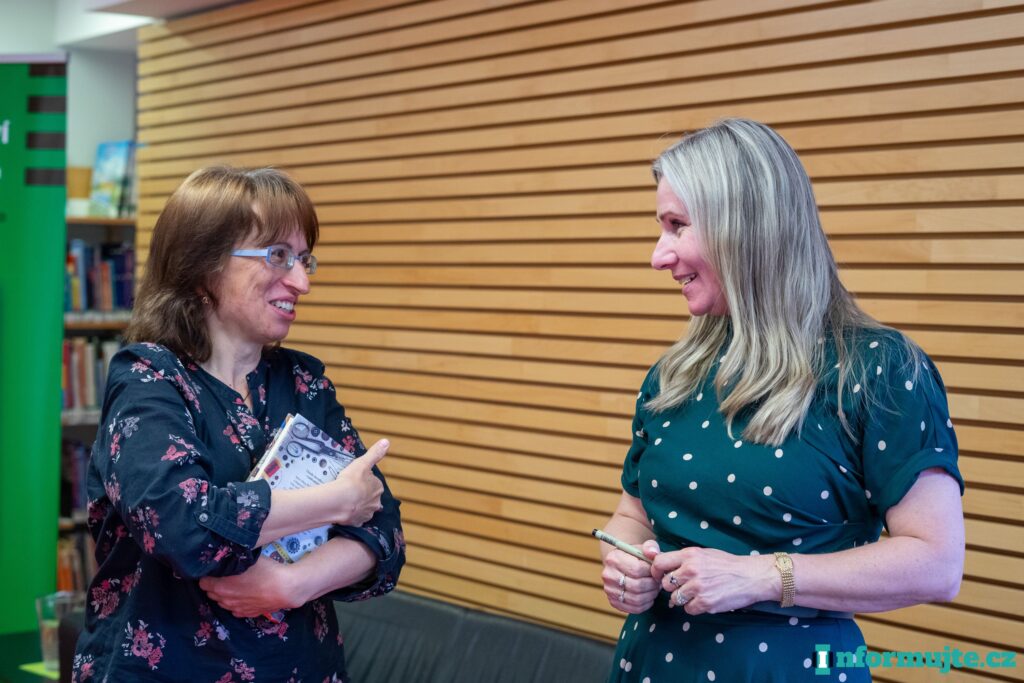
The event is held each moth except for the summer holidays. The next book coffee talk will be held in September.
What about you? Do you go to book events or authors’ reading?