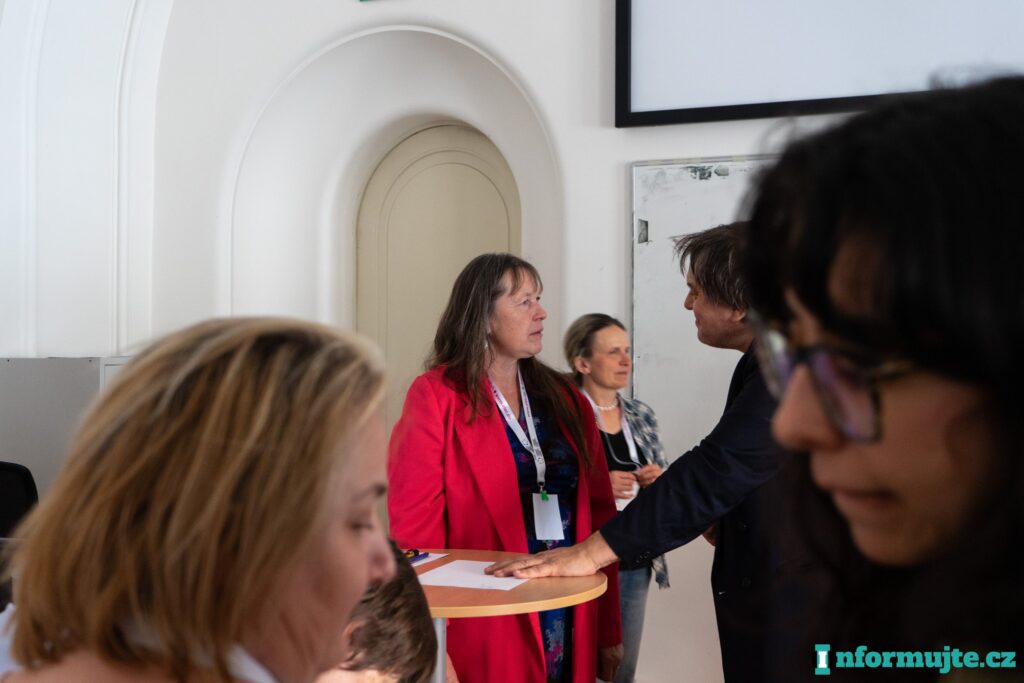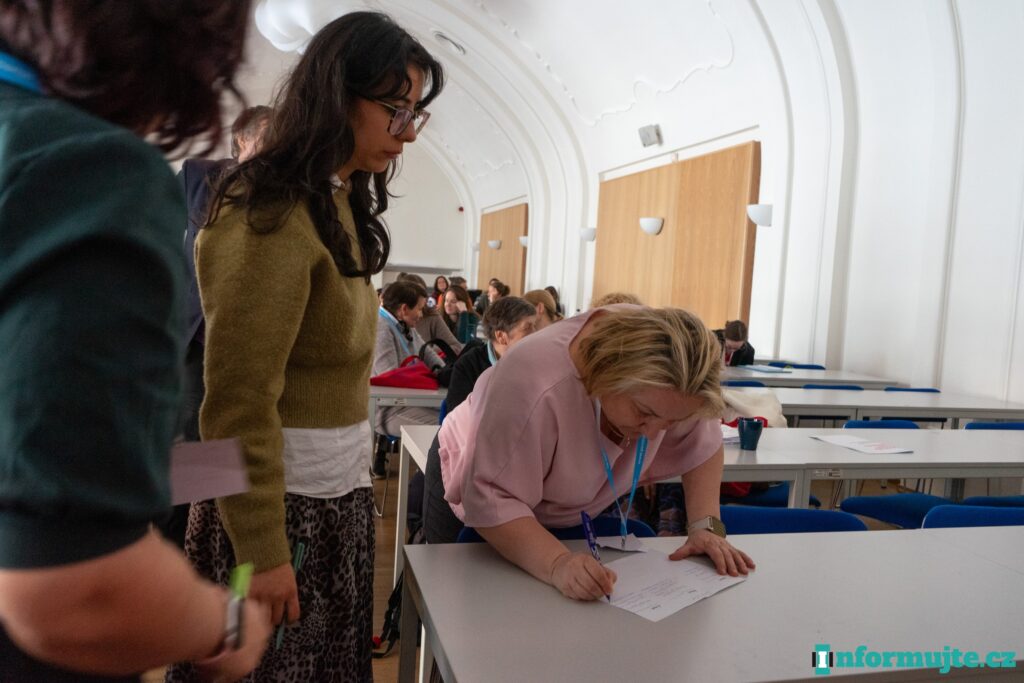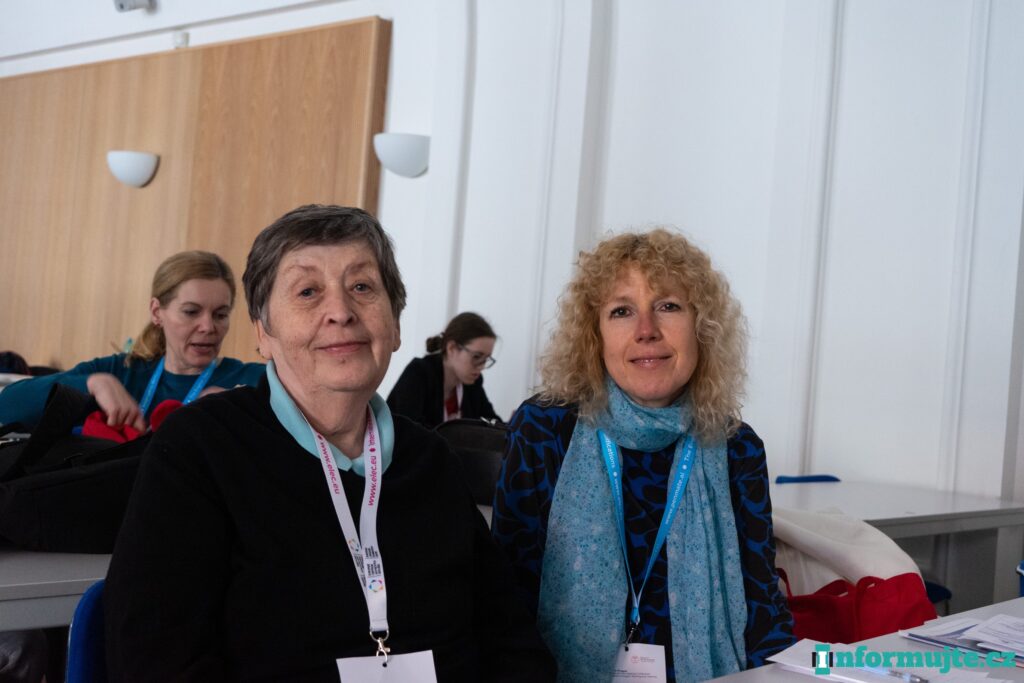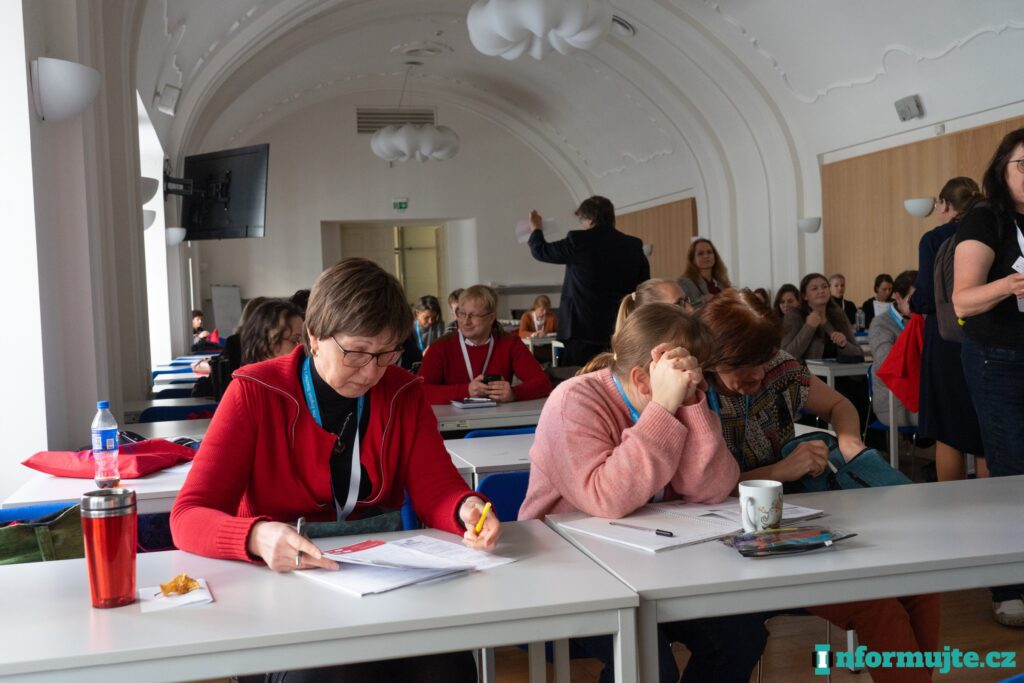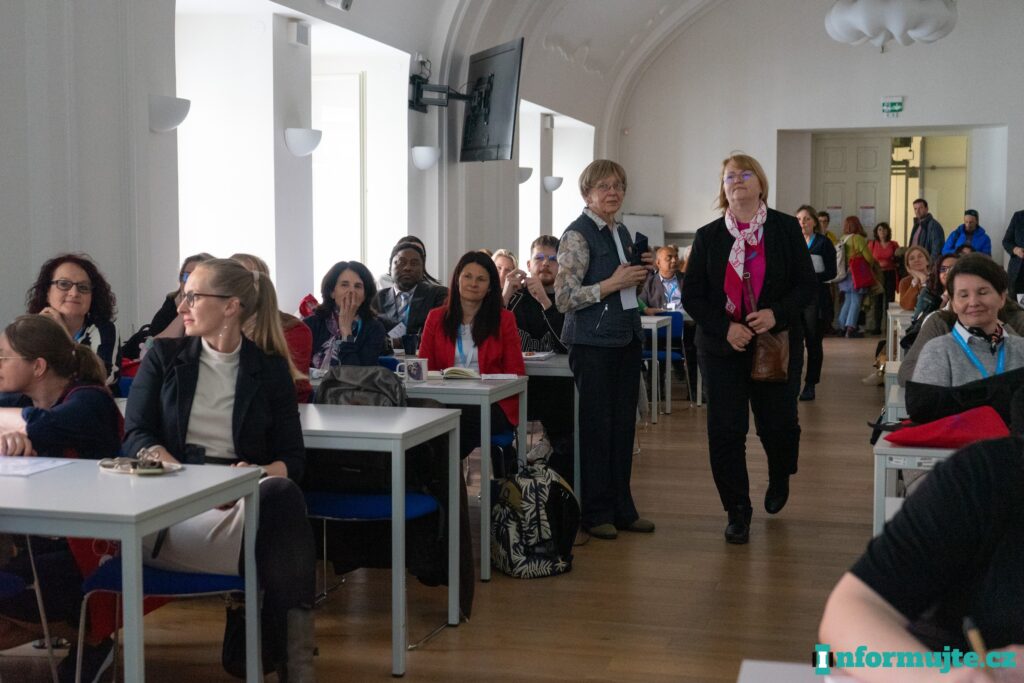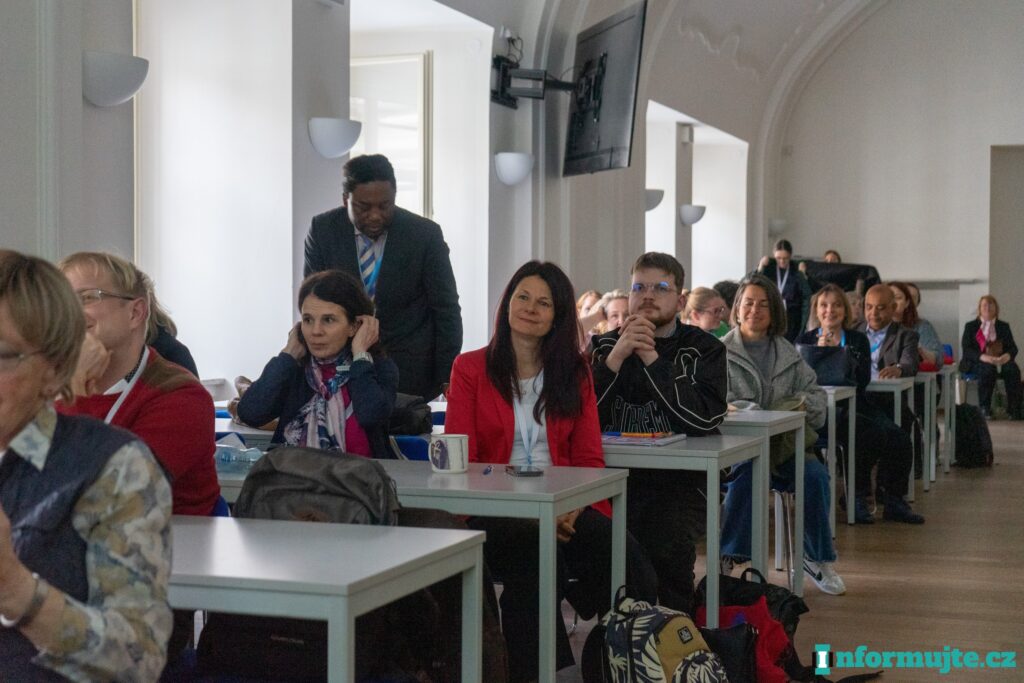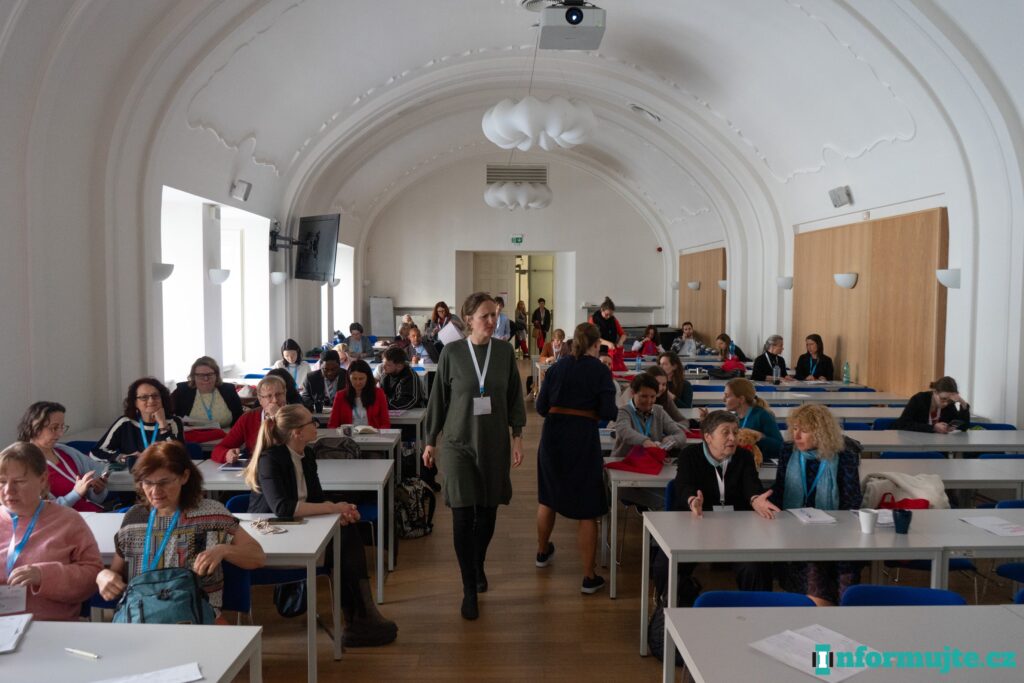

21st International and 25th National Conference: Modern Approaches to English Teaching and Learning took place at Faculty of Pedagogy at Charles University on 21st March 2026 from 8 AM till 4 PM. The conference was organized under the auspices of Association of Teachers of English of the Czech Republic.
You will find out in the report below: how the conference was like, what interesting knowledge speakers shared with attendants, negative aspects of the conference as well as whether it makes sense to visit it the next year.
Commentaries of the author of the article are in blue colour.
Conference programme
The conference programme consisted of lectures/seminars from experts and people somehow related to teaching English. There were 29 lectures in total.
Four lectures took place simultaneously in four rooms. It meant you had to choose which of them you would like to listen to. See the programme here.
Speakers, their lecturers and activities
I chose the lectures described below from the sheer number of them.
Being a teacher at Instagram
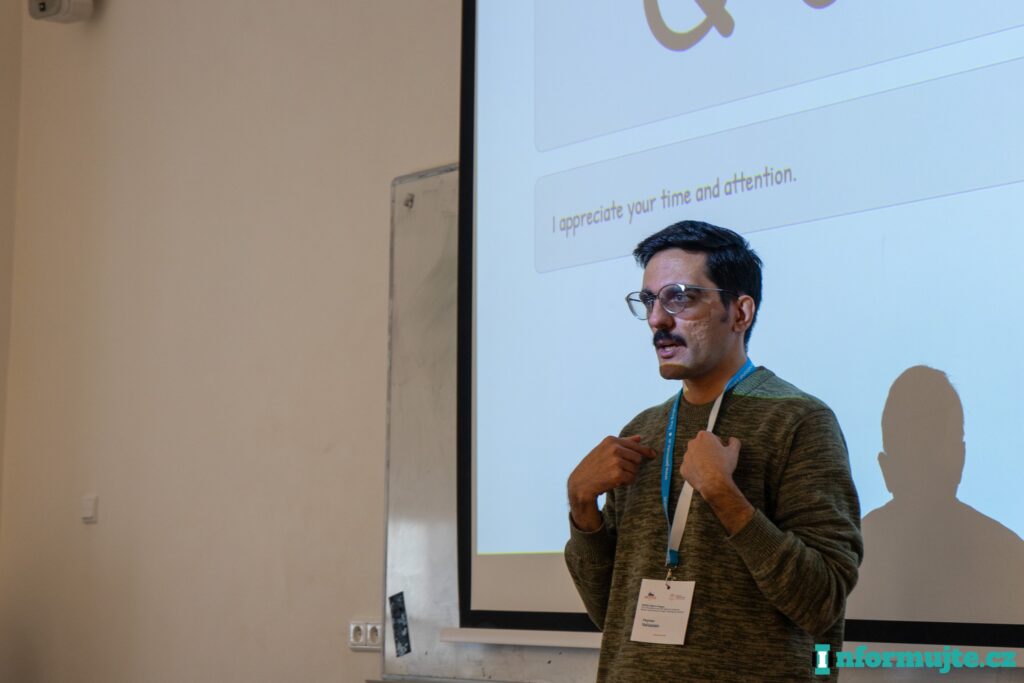
The original title of the lecture was From classroom teacher to Instagram-based language educator. The lecturer was Peyman Valizadeh, an Iranian. Peyman talked about his experience of moving his teaching from a classroom to the online space.
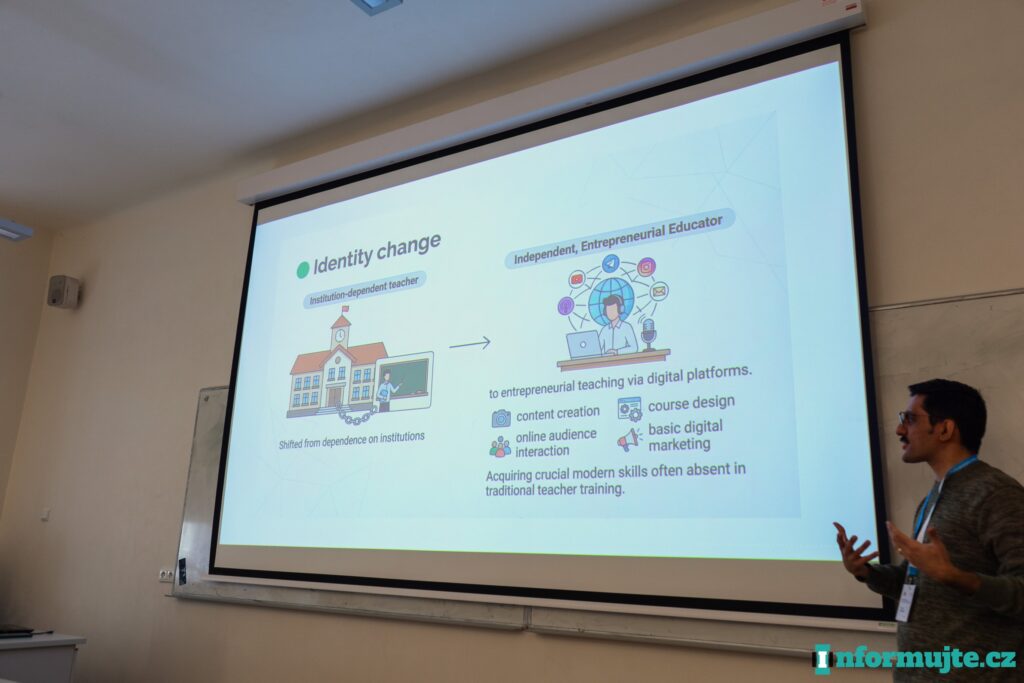
He said it had been very difficult to make his first Instagram video. It took him 100× attempts. Thanks to creating educational videos, he learnt to speak better, edit videos and built a global network of contacts. He uses Instagram as a place to show a little bit from his English course which he sells. It is a platform where he can get his customers. He designed and created an English course from A1 to C1 on his own.
At the beginning, his English proficiency was not so good. However, by creating the course and making videos he got better. He pointed out that authority and its legitimacy have moved from institutions (schools, offices and universities) towards the global audience.
It means that institutions are not the only source of knowledge (monopoly) anymore nowadays. They are not the only ones who assess the quality of courses anymore. Nowadays, there are many creators not tied to institutions who create educational content. People are the ones who assess / vote for the quality of content by a number of views and by buying courses.
When it comes to the financial side of the Instagram teaching, Peyman said that 10 to 15 people per 100 followers buy his courses. Buying the courses is the primary source of income for him. When asked how he deals with the high number of homework received from his students on Instagram, he replied he had paid assistants who correct the homework for him.
What surprised me is that he hasn’t taught English in person since starting his Instagram business. I think it can cause a detachment from educational reality and lower the quality of education and educational methods. However, it is only my opinion, the global audience has voted by buying his courses which legitimized his approach and made him and his Instagram authority in the field.
Learning facts vs concepts
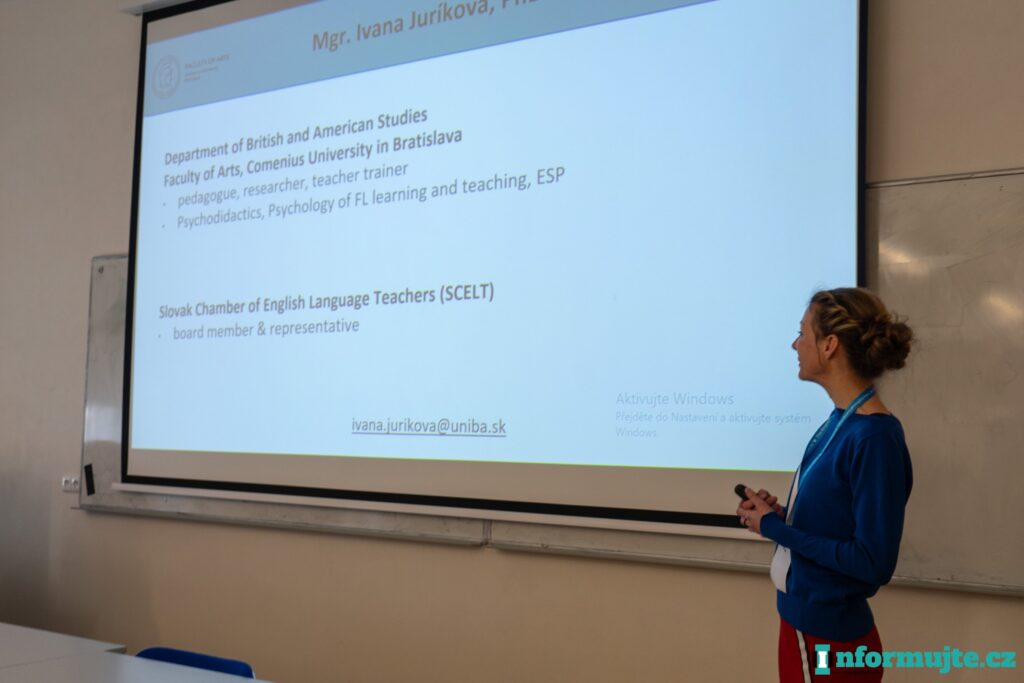
Ivana Jurickova and her lecture Teaching smarter: strategies that boost memory, understanding, and communicative skills dealt with two related issues.
Pupils know grammar and grammar rules of English. However, they don’t know how to use them. Furthermore, pupils analyse some parts of English grammar too much. For example, articles. The articles are only to be learnt by heart as there is nothing to analyse.
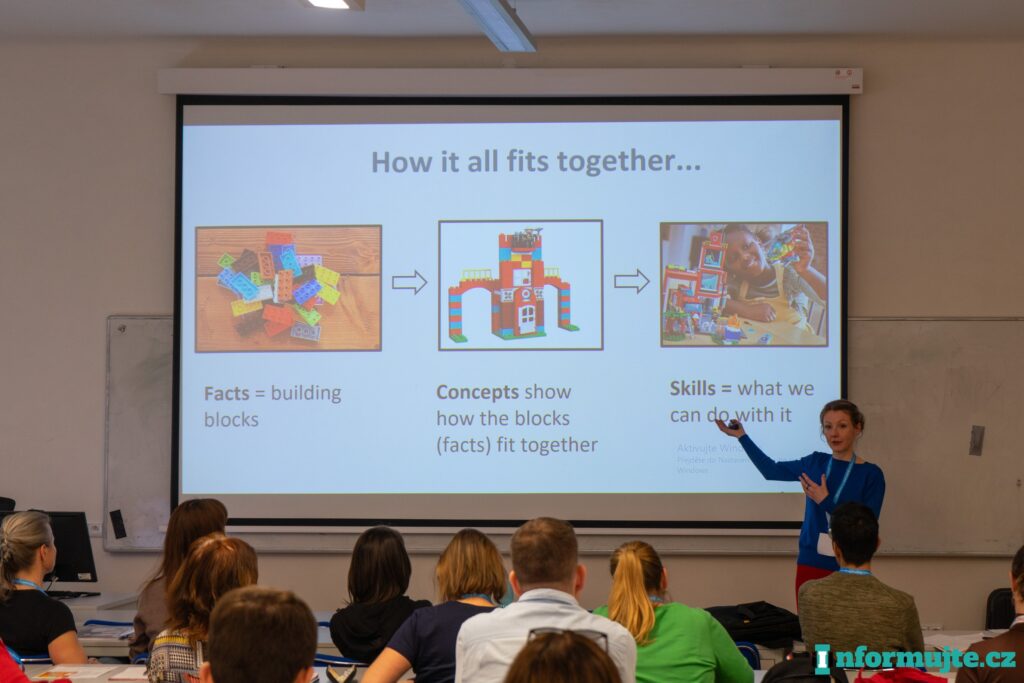
These problems stem from a theory of facts and concepts. Both of them are a part of learning a foreign language.
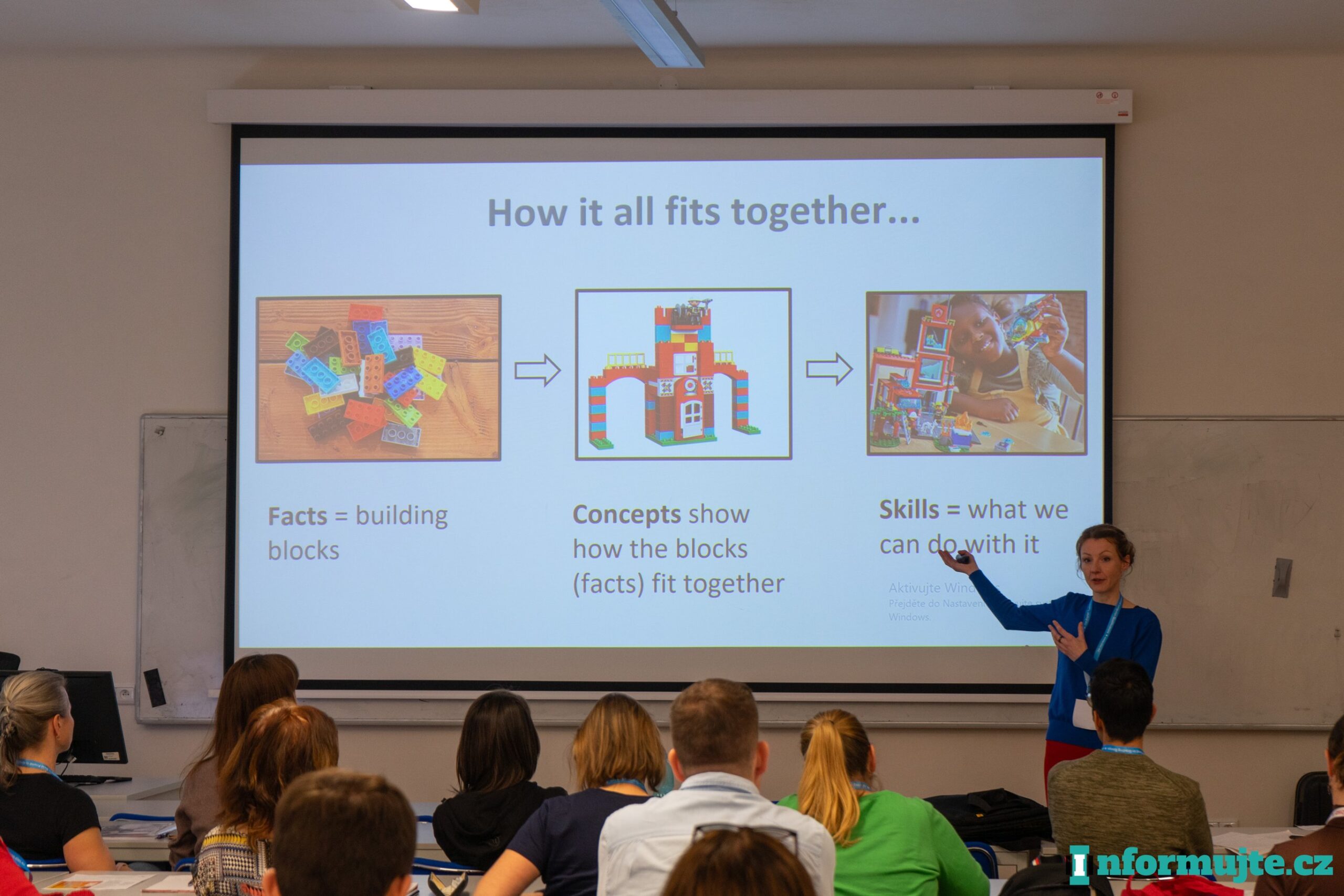
Facts (e. g. vocabulary and articles) are just things which one must learn by memorization. They are factual information.
Concepts are mental frameworks (moulding connections / relations among facts). They are English tenses for example.
When concepts are treated as facts, it causes that pupils remember the rules mechanically as facts (e. g. vocabulary). However, they don’t know how to use them.
When facts are treated as concepts, pupils try to find relations and logical explanations at a place where there aren’t any. It can cause cognitive overload.
A way to solve the problem is to teach students to learn facts with learning methods for facts and to learn concepts with learning methods for concepts. It is also advisable to teach students to differentiate between the notion of facts and concepts, so they know the difference themselves.
Various methods of learning facts: Let pupils write 3 to 5 things which they remember from the previous class; Quizzes; Flashcards; Repeat vocabulary with a time gap (today, after a week, after a month) and try to recall vocabulary / articles from memory without looking at notes.
Various methods of learning concepts: Let pupils explain their classmates what they have learnt; A pupil reformulates what they have learnt (Generating their own knowledge); Using concepts (tenses) in real life situations and tasks bases on solving projects / problems.
The conclusion of the lecture was that different types of knowledge (facts vs concepts) require different strategies of learning / studying / teaching. When the strategies are used wrongly, pupils learn to memorise without understanding and overanalyse facts which causes cognitive overload. In addition, the way you teach your pupils, will become the way the pupils will study / learn themselves.
Using technologies in education
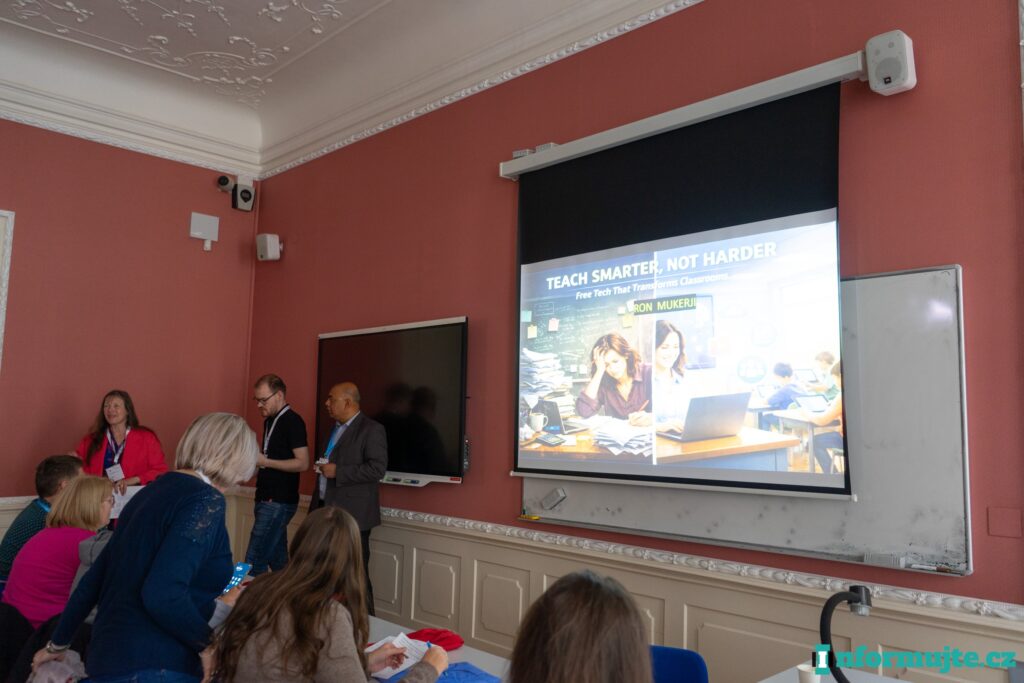
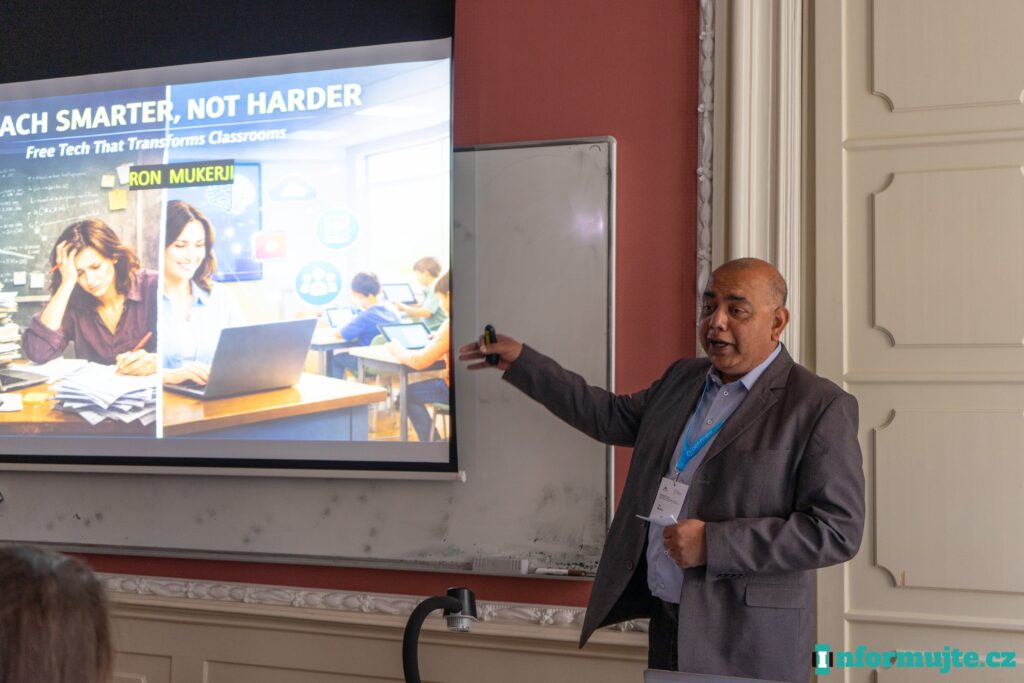
The next lecture was named Teach smarter, not harder: free tech that transforms classrooms by Ron Mukerji. He presented multitude digital online tools and platforms for use in education to the audience.
He said that the main reasons for introduction digital tools into education was that today generation of pupils is already digitally native. They expect teachers to implement such tools to classes.
There are also advantages on teachers’ side. Digital tools allow them to correct texts and exercise automatically. They are also useful for global communication and cooperation. Digital tools allow to automatize administrative tasks which allow teachers to save up time and use the saved time for more useful activities.
During the lecture Ron stated: “Classic schools will either disappear or a hybrid combination of the current educational system and remote education will be used.”
Ron said that there are four questions you should ask yourself before committing to one of the online platforms / tools:
- Does the platform require registration?
- Does the platform require pupils to registers?
- How much do teachers have to pay for it?
- How much do pupils have to pay for it?
Based on answers on the questions above, Ron picked these three online platforms: Notebook LM, Genially.com and Gemini Gems.
NotebookLM is the most useful online platform from the presented ones. It is an AI which can answer your questions and create summaries out of books and other written material which you upload to it. It means answers for your questions are not taken out thin air. They are only generated from the informational sources, you upload to the AI. It is almost absolutely precise from my own experience. However, you can check it yourself. Read a book, upload the book to the AI, ask the AI your questions and compare the answers with what you have read.
Gemini Gems can create stories and picture books for children at a specific level of English proficiency.
Genially.com is a web application which offers various interactive quizzes and games which have education embedded in them.
The disadvantage of the platforms is that they are online. If you don’t have an Internet connection, you don’t have access to your teaching materials. The next problem is that if you would like to use such platforms fully, they require you to pay a rent (a subscription) each month. Another problem is that materials which you create on such platforms (and are not exportable) are stored in these platforms. If the online platforms go bankrupt, you lose everything. If the platforms decide to change business conditions and use (e. g. by raising the subscription) and you don’t like it, the platforms become useless for you.
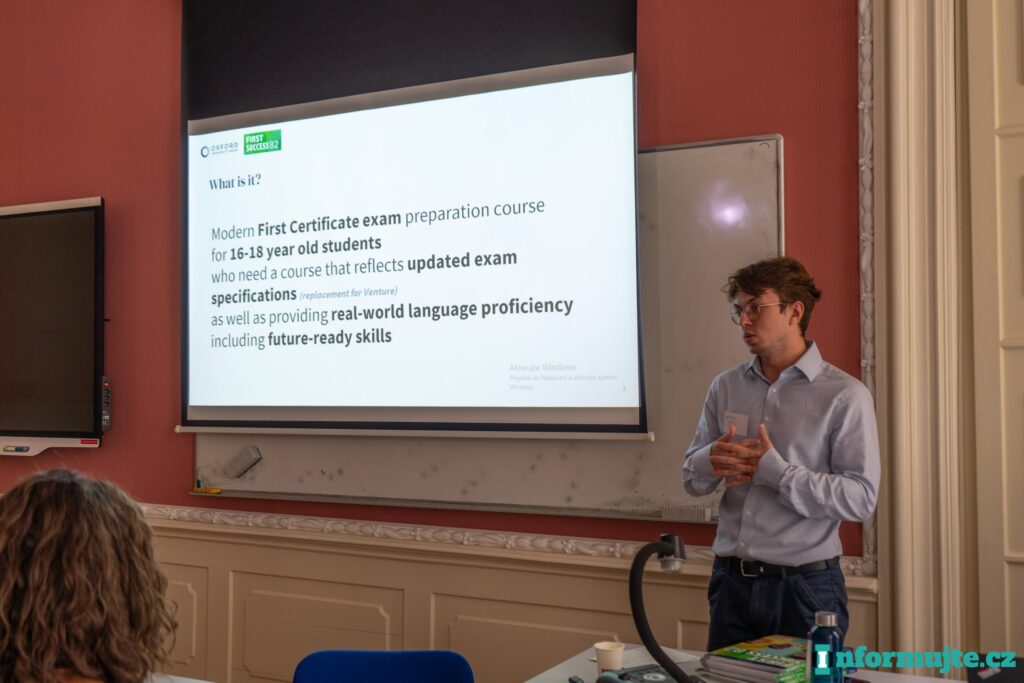
First Success B2 textbook presentation
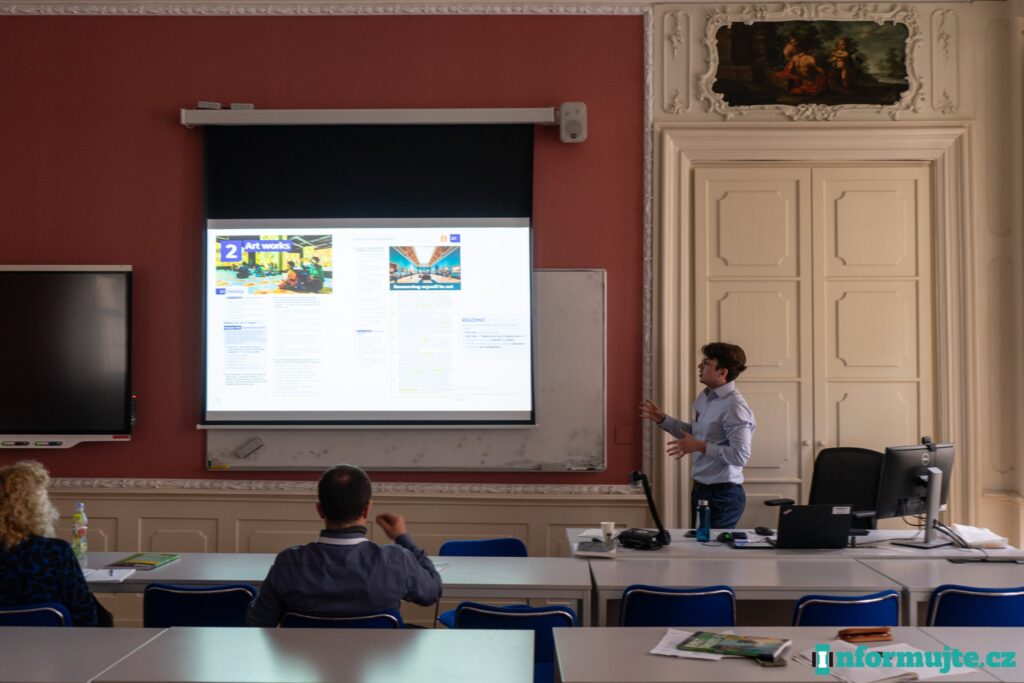
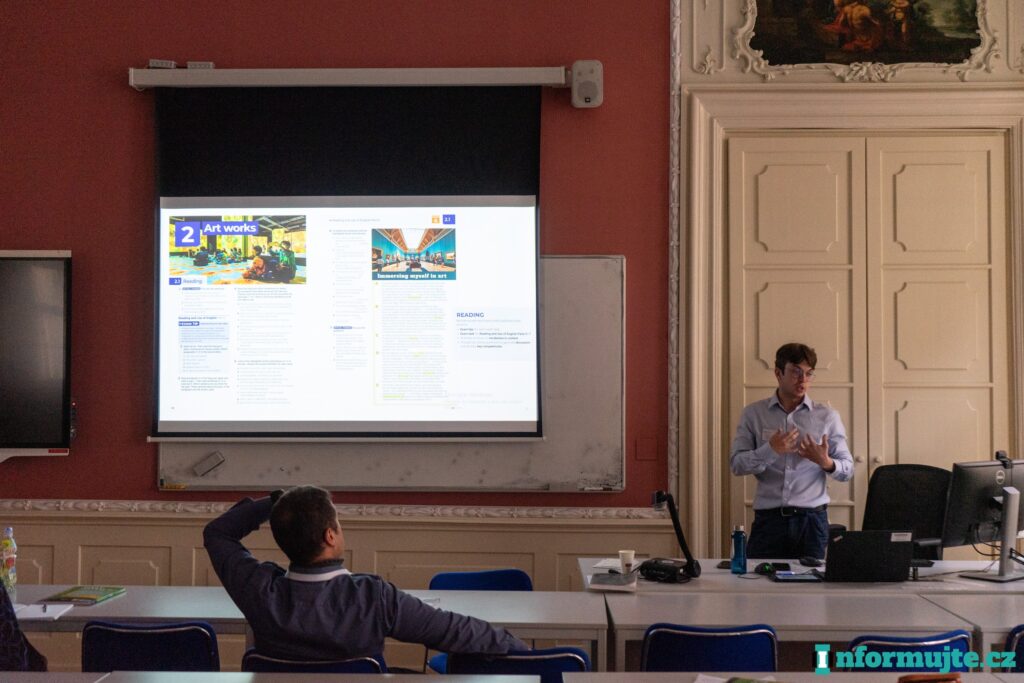
The lecture was about an introduction of a textbook First Success B2 which is published by Oxford University Press. It was a sales presentation. What intrigued me is that the textbook has shifted from British pronunciation only to include many more of them.
There is a supplemental material on Oxford English Hub. There is Kahoot among them. The Kahoot is used for gamified experience by competitive quizzes where pupils guess vocabulary or grammar rules and get points for a leaderboard. Pupils can connect via a QR code and compete with each other in real time. It was shown to us during the presentation and I found it very entertaining (Perhaps because I won.)
There are audio recordings and video in the Oxford English Hub.
Attendants of the lecture received a free sample of the textbook with an access key to the online platform.
After reading one of the chapters in the textbook and checking the online materials, I concluded that the topics in the textbook are modern. The online tools include gamified activities. However, audio recording and video isn’t nothing new. The textbook is really made for classroom education. The textbook misses keys to exercises which makes the textbook unusable for self-learners or students who would like to work with the textbook on their own at home. The keys are in a Teacher’s Pack, which is another book in the First Success B2 suite. It is necessary to buy it so that the First Success B2 makes sense to use for teaching.
The textbook is directed at analysing text critically as well as paying attention to what is said in audio recordings. It leads me to an opinion, if the textbook is only teaching critical working with text instead of teaching English.
It is a modern approach in teaching English. However multiple approaches are necessary to combine. The traditional ones as practical grammar exercise, translation and memorization with the modern approaches as in the textbook.
The disadvantage is that some online materials which come with the textbook are time limited and you lose access to them after two years.
How to teach in heterogenous class
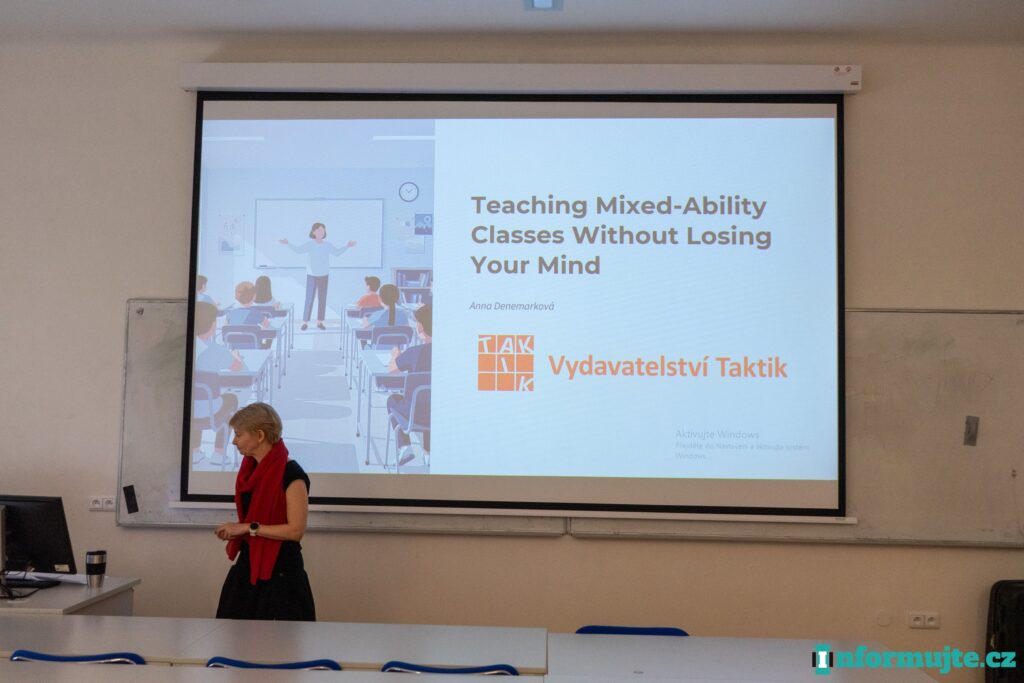
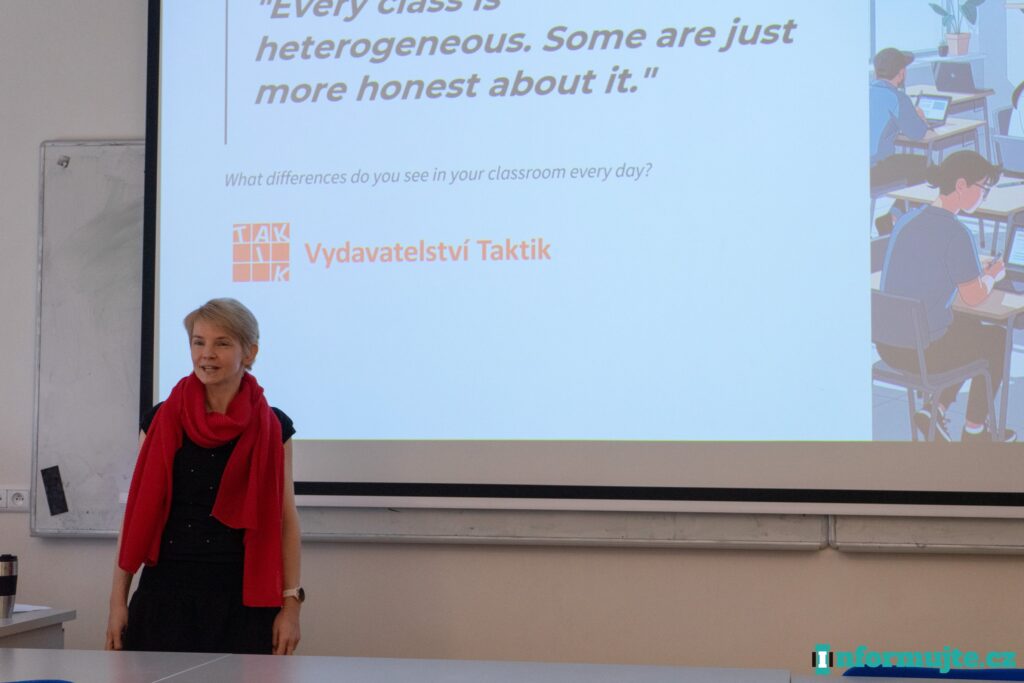
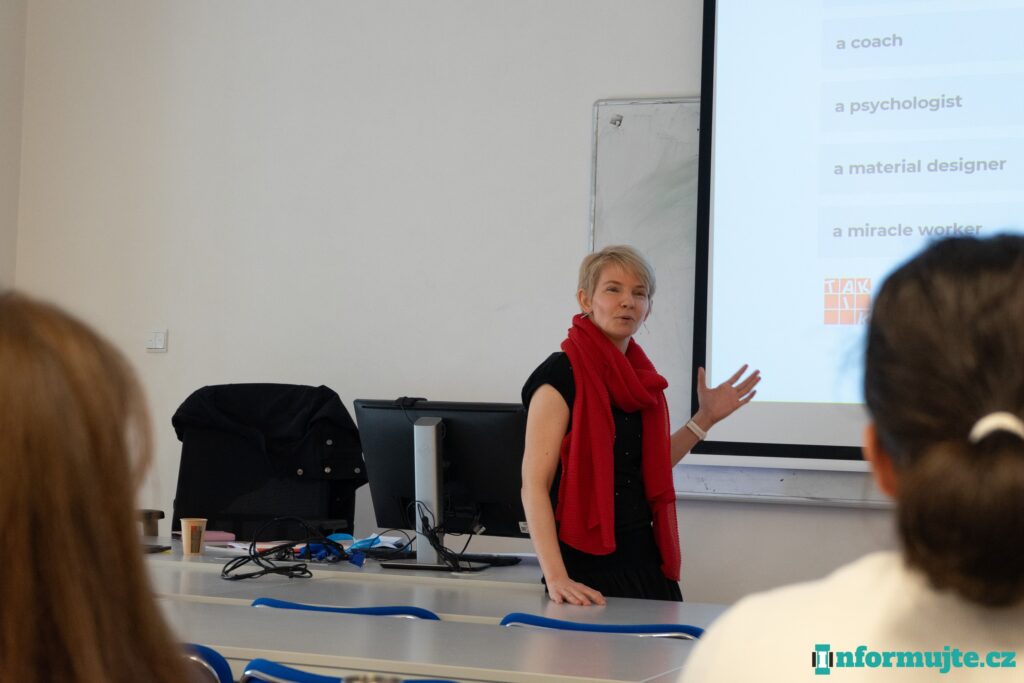
Anna Denemarkova from Vydavatelství Taktik came with a lecture How to manage a mixed-ability class. She talked about a heterogenous class. Heterogenous class is a class in which there are pupils of various skills, knowledge, interests and styles of learning.
The content of the lecture was how to work with such a class so that talented pupils feel like making progress and the less capable ones stay engaged and have a feeling of success and acknowledgement.
It is not a problem to use the same topic during a class. However, difficulty of exercise / answers on questions can be differentiated. It means that no answer is wrong.
Example:
Which city would you like to visit?
- Beginner – „London“
- Intermediate – „I would like to visit London.“
- Advanced – „I would like to visit London because I like big bustling cities.“
A teacher can also specify how long a pupil’s answer should be. Another solution is to pair less capable students with the talented ones. The less capable ones make progress with their skills and gain confidence. The talented ones will understand the currently taught stuff better because they teach someone else.
A teacher shouldn’t forget about the less capable students and let them shine in a classroom.
Entertaining activities for class
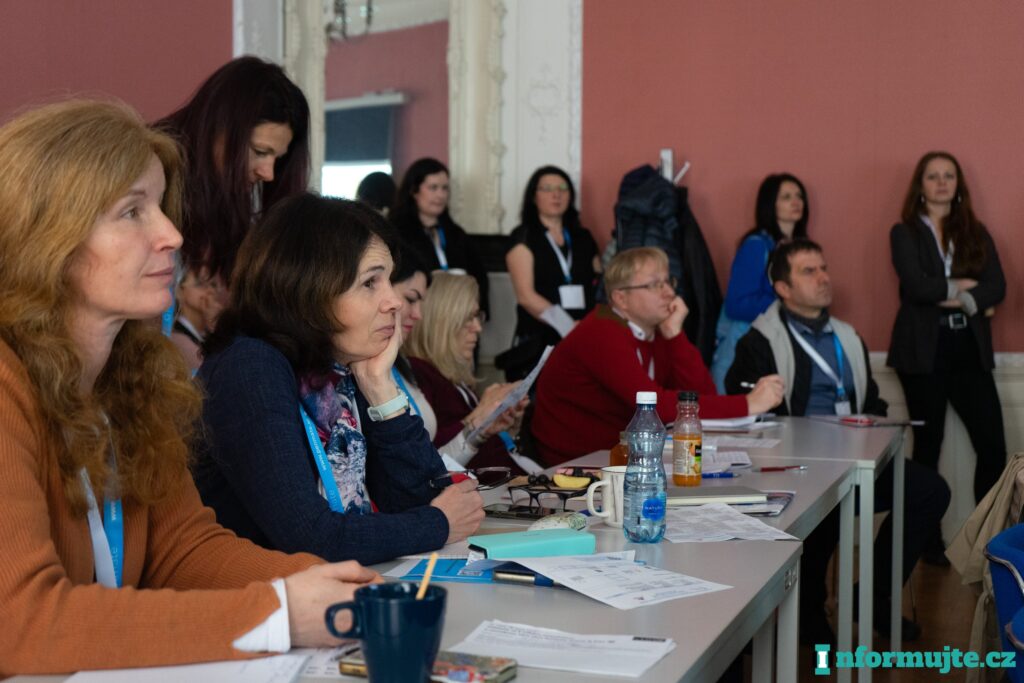
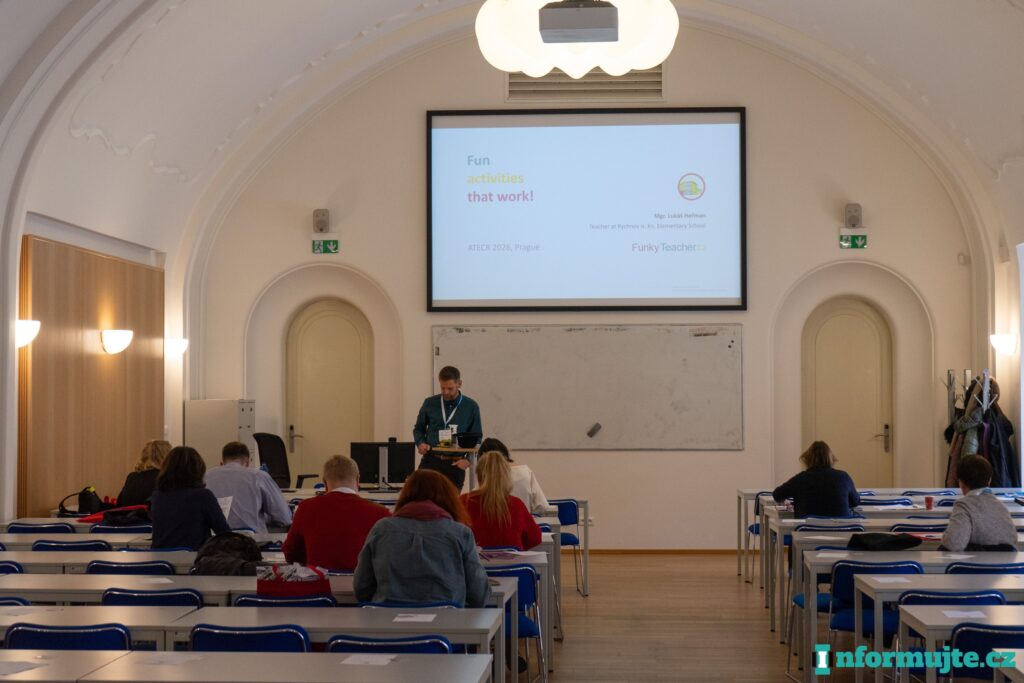
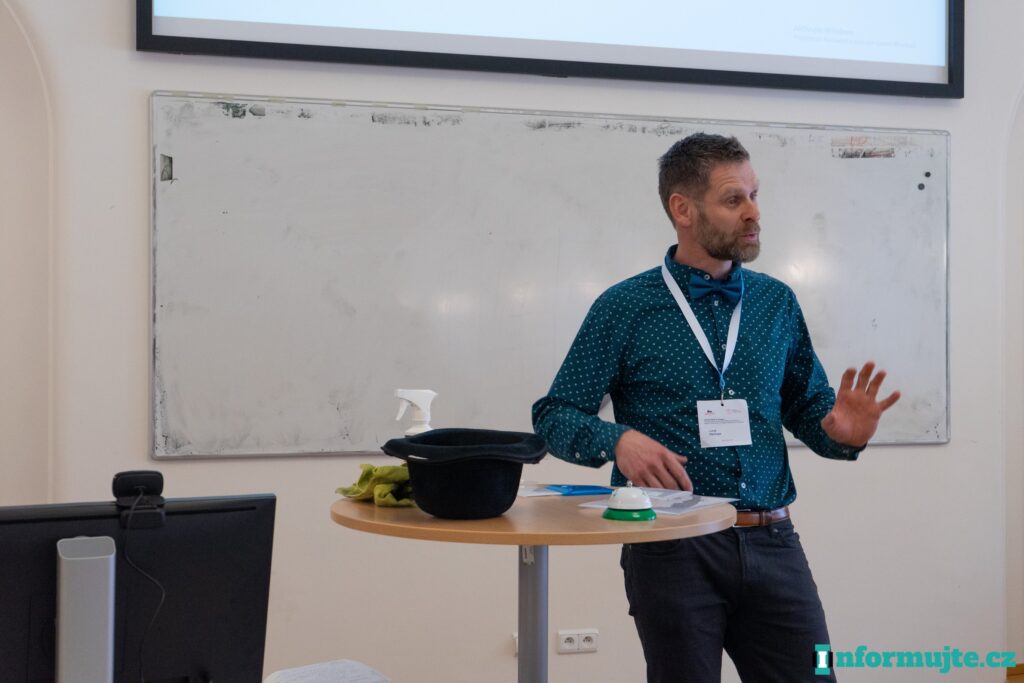
This lecture was done by a teacher of a primary school Lukas Herman. He showed attendants many various activities which can be used at a class. He also let attendants to be a part of these activities. It was not only a dry lecture, but it was also active participation.
He said he let pupils to participate in organizing a class. He said it increased enjoyment of the class from the pupils’ side.
Practical activities which he showed to participants:
- Word Twins
- English words are displayed on an LCD screen. Pupils try to guess synonyms, translations etc. They write down their answers on a piece of paper. A teacher reveals correct answers at the end of the activity. Another option is that the teacher picks /asks pupils to tell correct answers. At the end of the activity, pupils count points they get. Then the teacher says out loud the number of points they could receive and pupils raise up their hands.
- Swap cards
- Pupils are handed out cards with pictures depicting various items. Pupils work in pairs. One of them asks the other one about their card:
- What is it?
- What are you doing with it?
- Pupils are handed out cards with pictures depicting various items. Pupils work in pairs. One of them asks the other one about their card:
I have also noticed that Lukas made a lot of educational videos on his YouTube channel Monkey English in the distant past. I found them amusing.
Creative journal as form of education
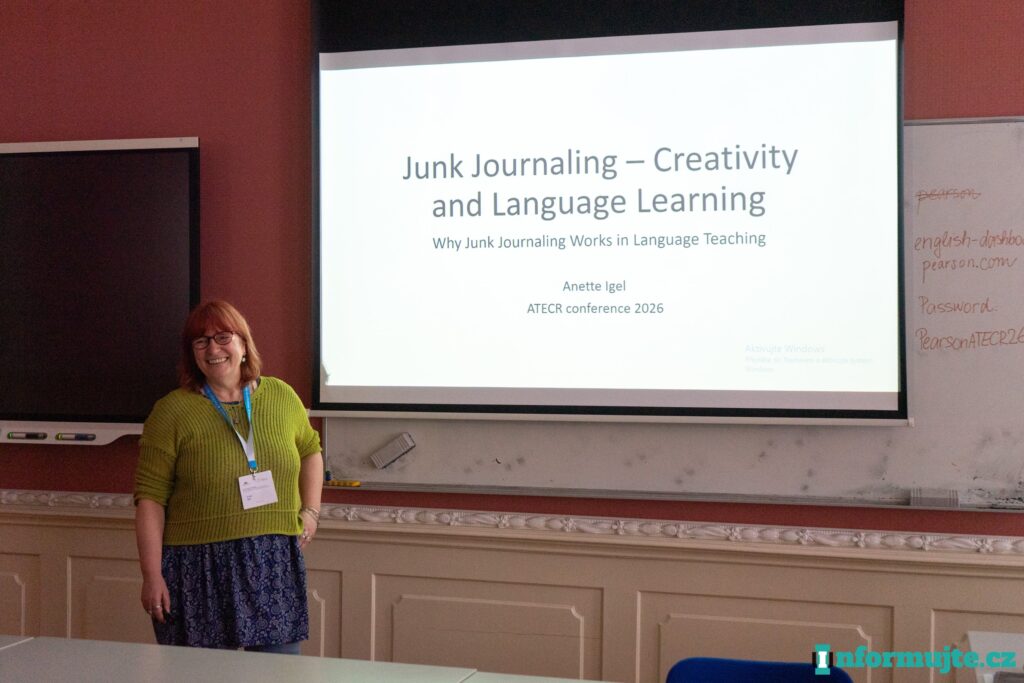
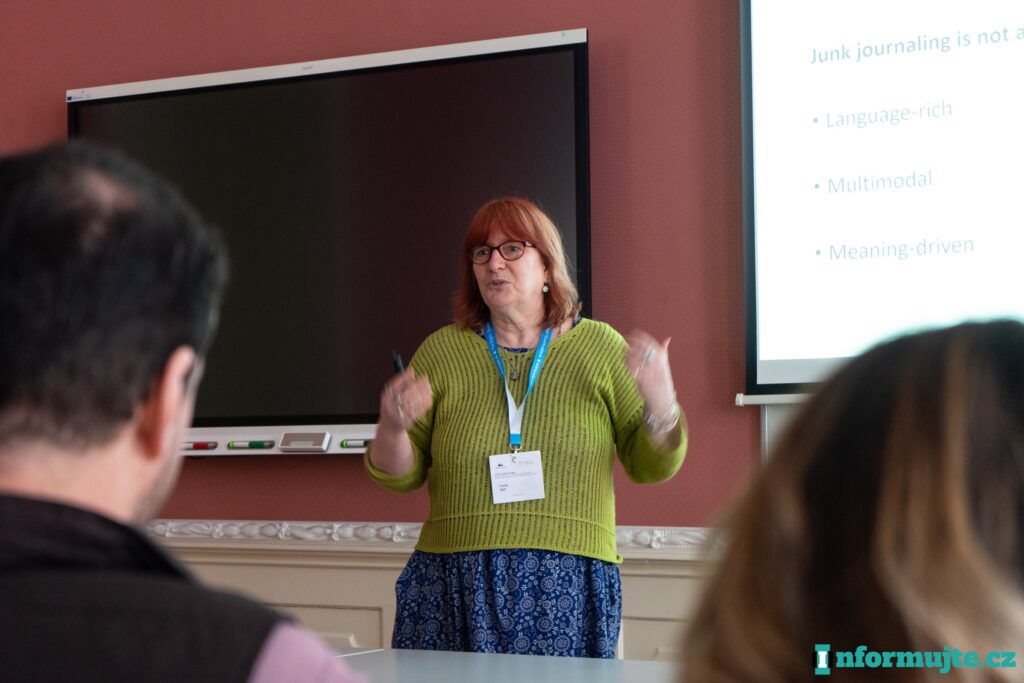
The lecture Junk Journaling – creativity and language journaling by Annete Igel was the weakest one of all lectures.
In simple terms, it was about pupils writing a creative journal and then discussing it with heir classmates.
Instead of a discussion about whether we, the audience, thought that it is a good technique or not, her sentences ended with: “…It is true, right?”. I didn’t think so I stood up, left the room and went to check another lecture.
Activities with LEGO
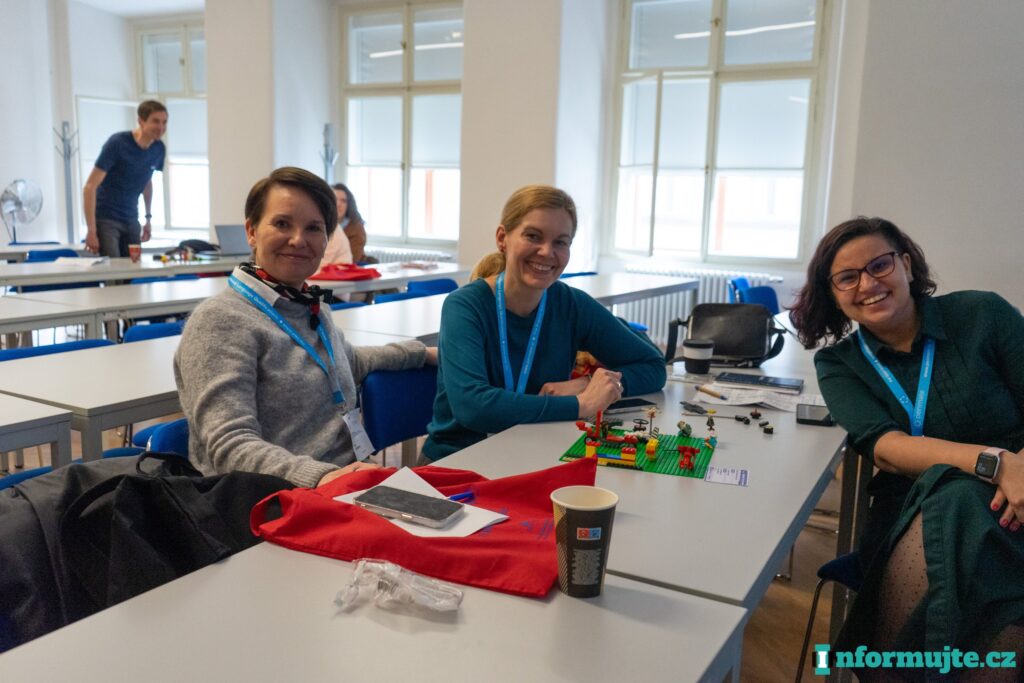
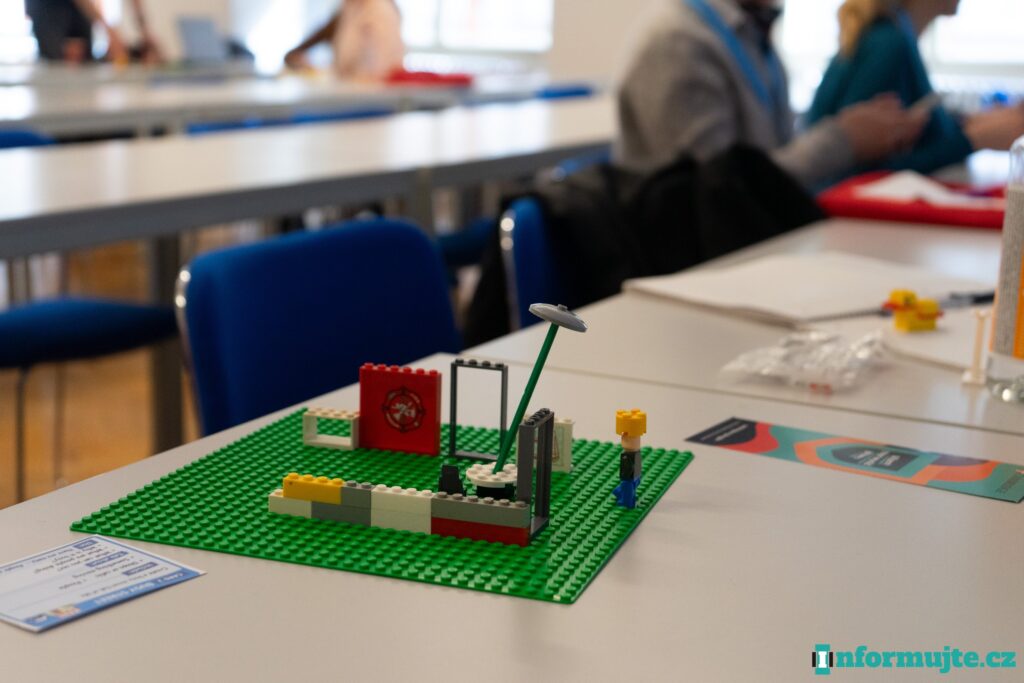
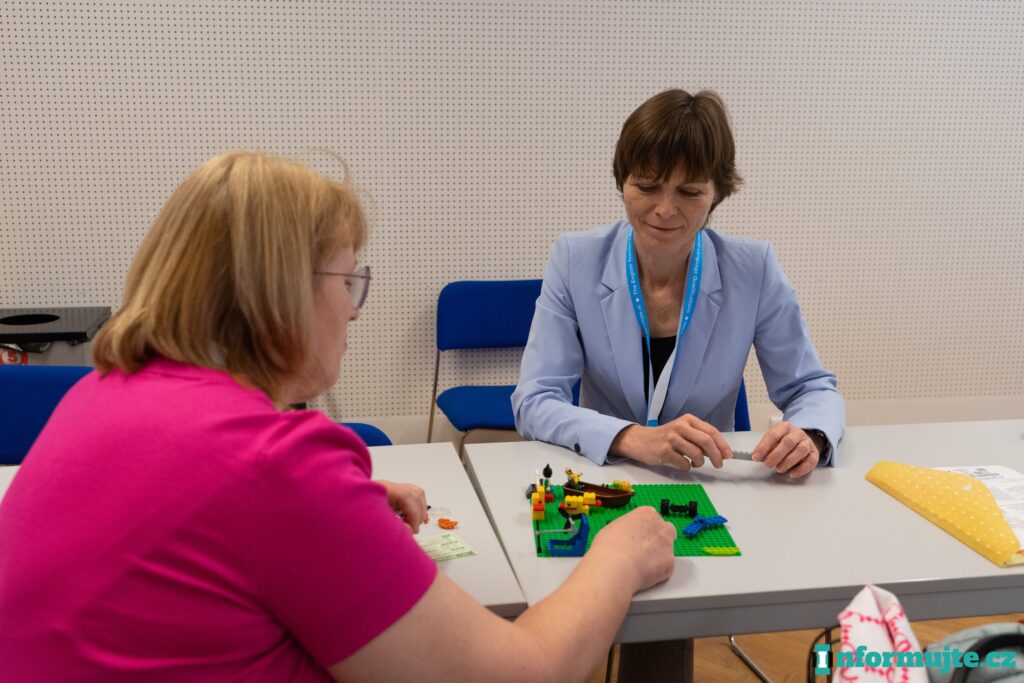
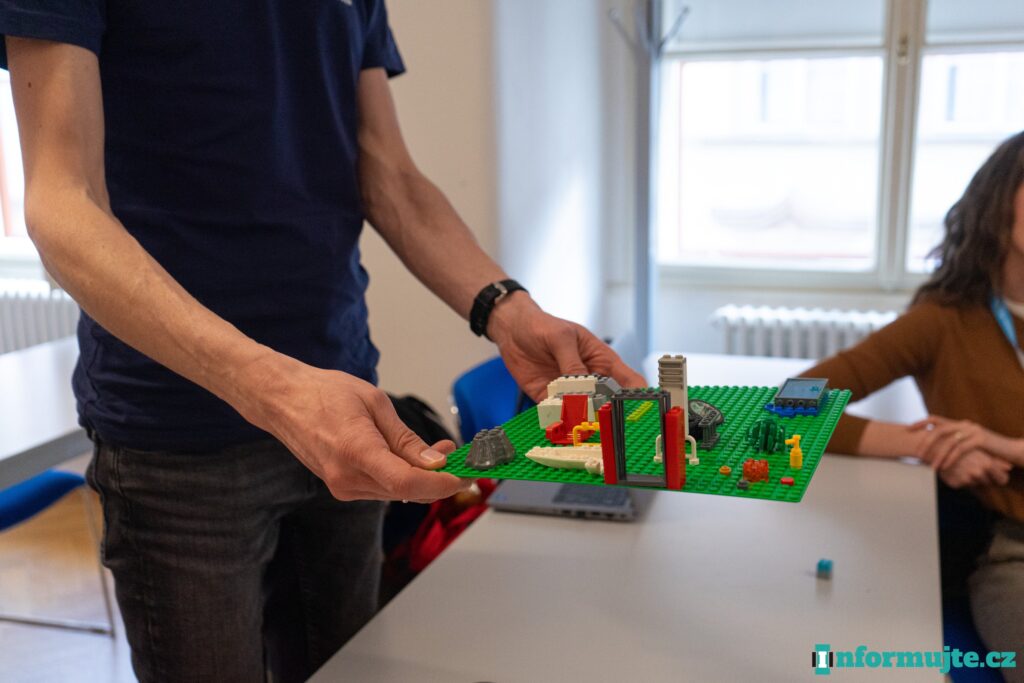
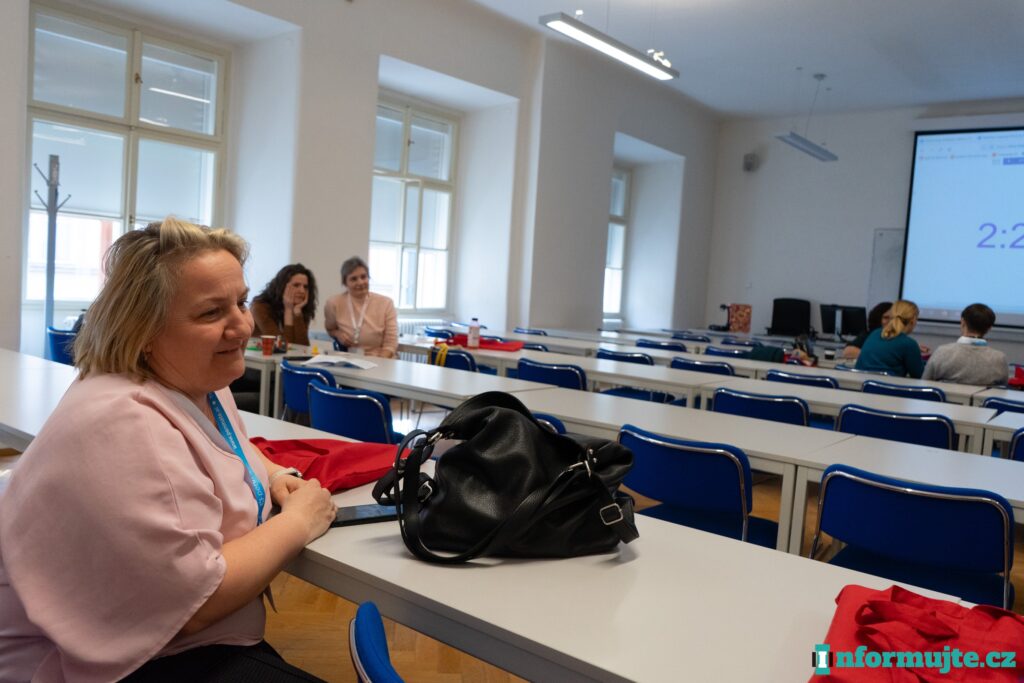
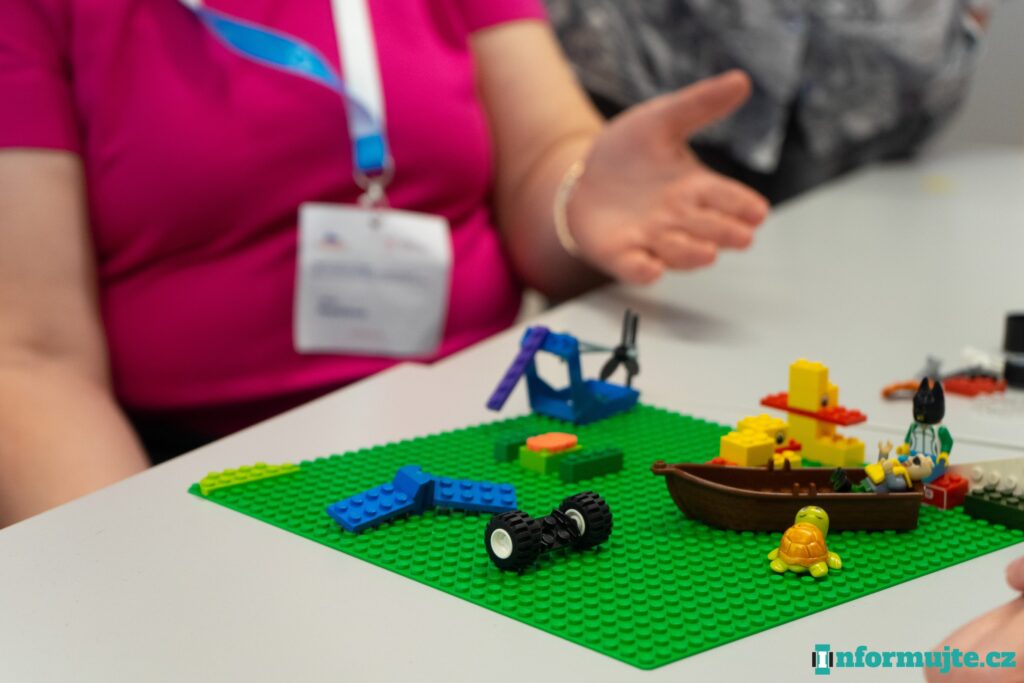
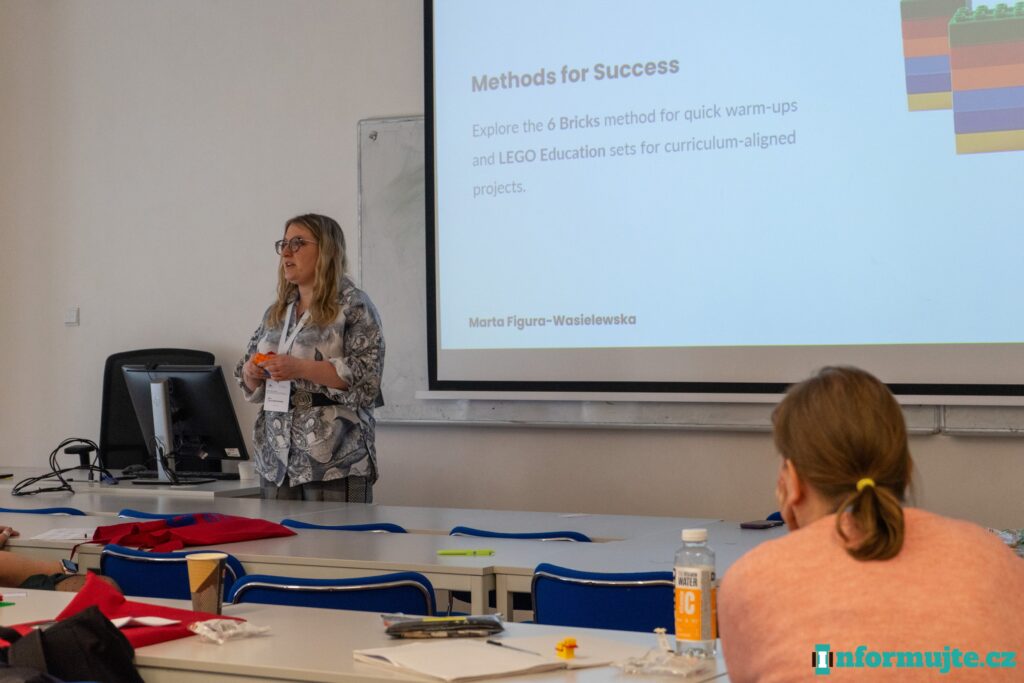
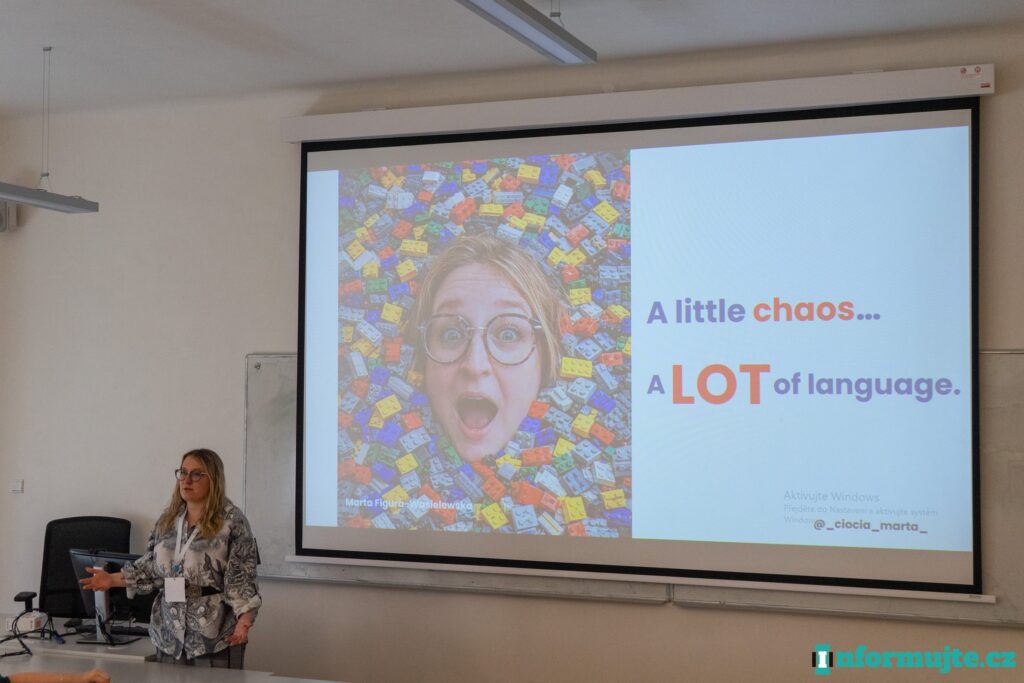
Marta Figura-Wasielewska in her block presented us with activities based on LEGO. She showed us how a project-based form of education can be used for teaching English. Her method pupils building stuff out of LEGO and then presenting their creations to the class and discussing it with their classmates.
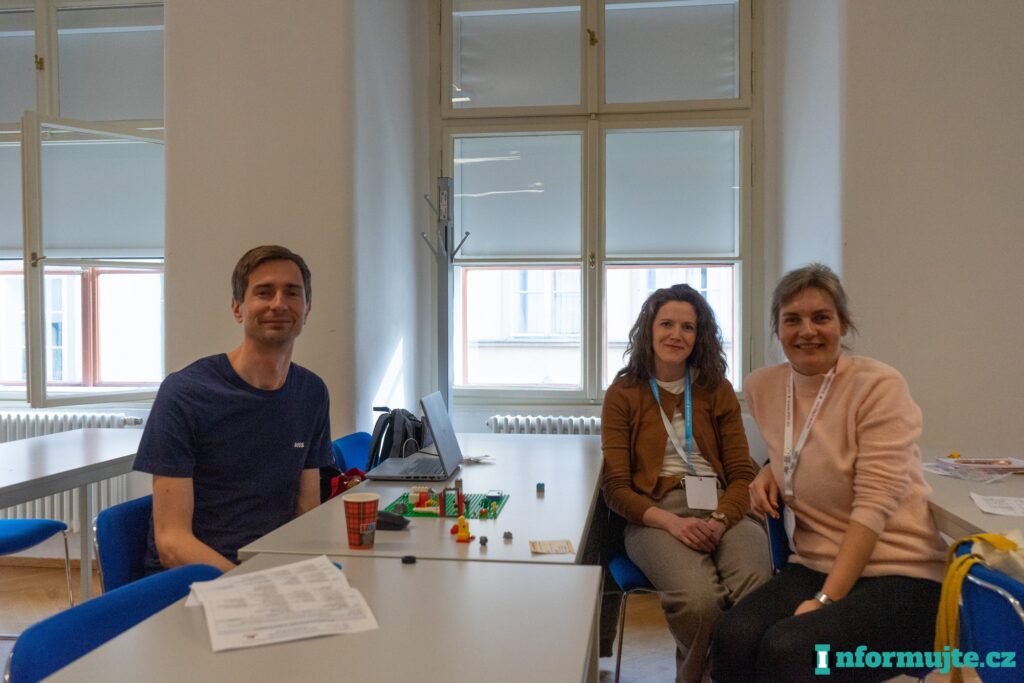
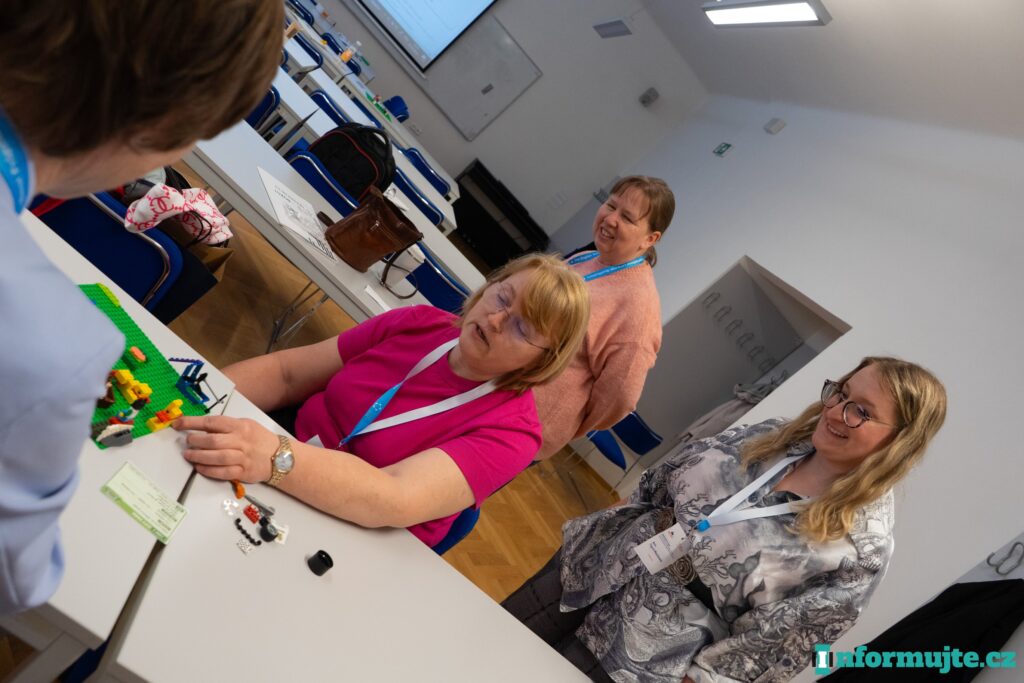
During the lecture attendants became participants. They built their own creations and then discussed them with other participants and presented them in front of others.
In my view, I believe the method can be extended to be used not only with LEGO but with any kind of a project. I also think that if pupils have a problem to start a discussion, a list of questions can be prepared for them to use it as a script for a conversation.
Visual materials as means for conversation and pondering
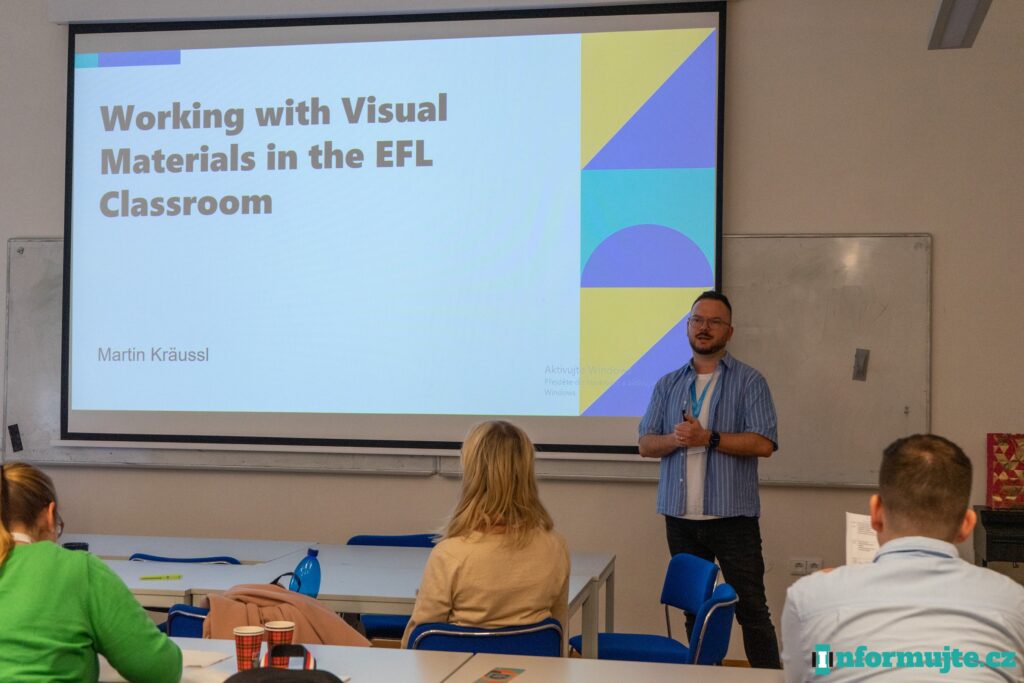
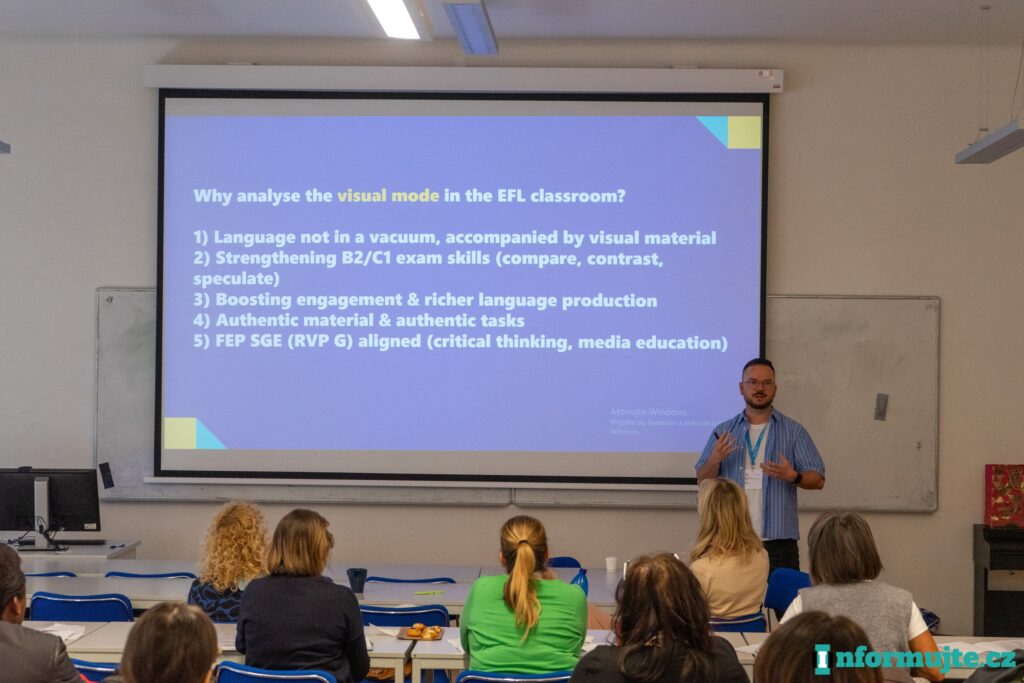
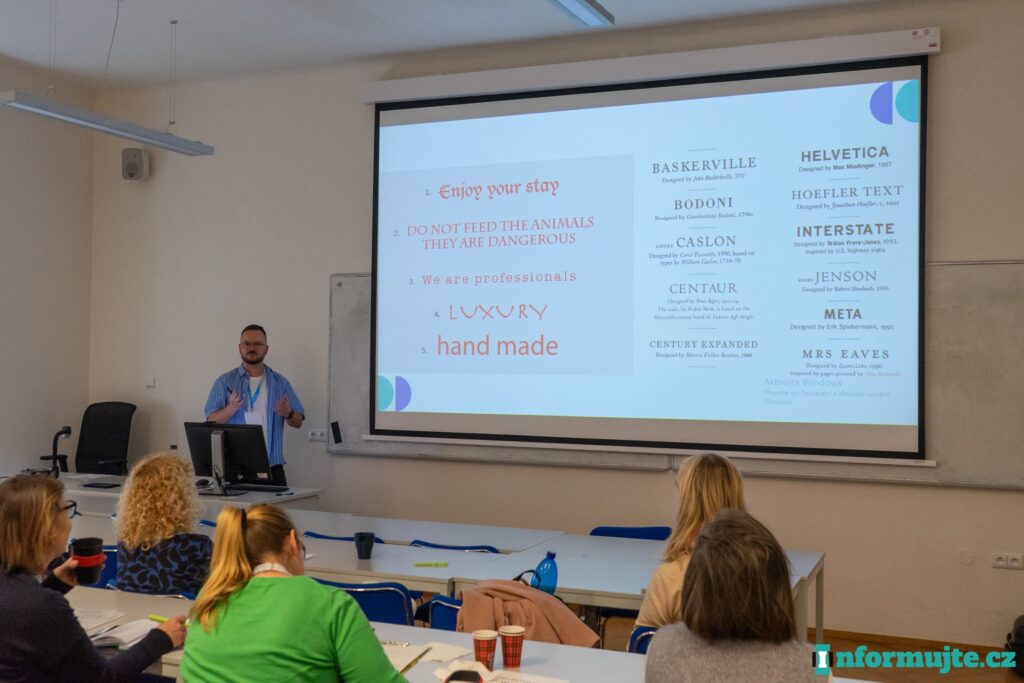
Martin Kräussl described working with visual aids (photographs, posters, adverts, fonts and so on) in a classroom. It is possible to show fonts, adverts or posters to student and discuss them.
There are various topics which can be discussed about posters: a type of a font and what expresses, references to everyday life, cultural references and what the target of the adverts is.
Examples of other questions:
- What is happening in the image?
- How to design an advert layout to build meaning in the picture?
- How do you connect and relate to the picture?
Position of specific elements in posters and why they are position at that places and what authors of the posters wanted to impart by it can be discussed.
Activities for working with posters (pictures):
- Guessing which advert it is and is for from a cutout,
- Analysis of a font and the meaning / purpose for posters,
- First impressions from posters
- emotions, colours, layout, target audience, the overall message.
- Visual cues and hidden meanings,
- Creating their own advert posters and presenting them.
He talked about how exposure of students to these posters with additional questions can evoke a discussion and thus broaden communication, imagination and thinking.
He pointed out this technique is more suitable for B2 to C1 students.
Theatre at class
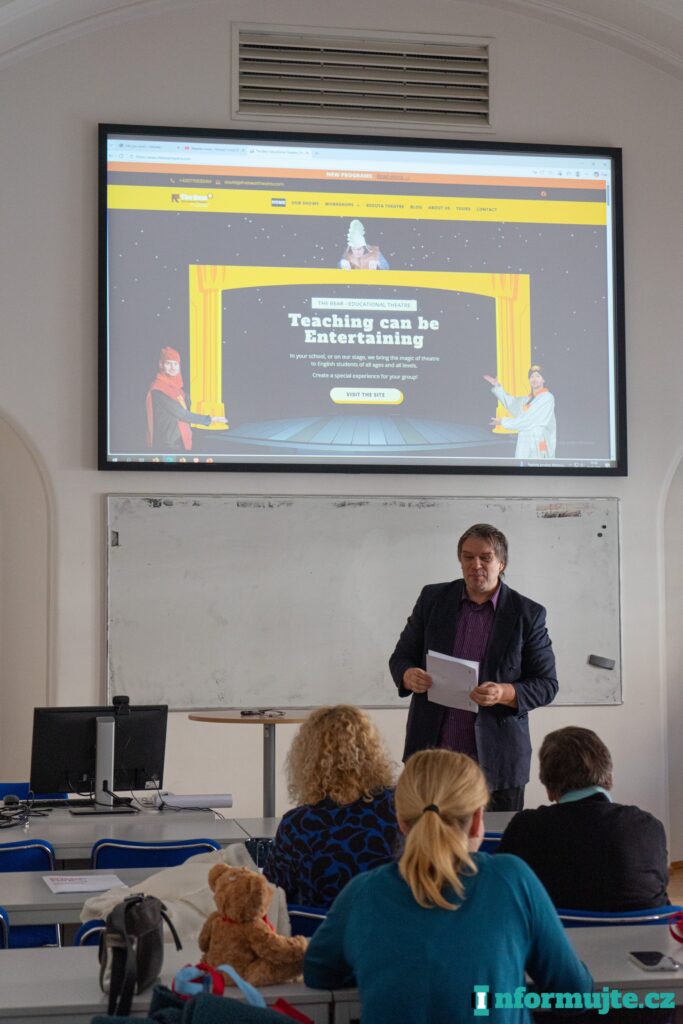
The last participative lecture which I attended was by a founder of The Bear Educational Theatre.
He talked about importance of incorporating theatre and improvisation into language education. He pointed out this style of language education was popular in the 60s. His lecture was full of activities for pupils.
One of the classroom activities he showed us was: A pupil says a word. The next one says a word which they associate with the first word said by the first student and so on.
Another one was a kind of a dialogue in pairs:
Pupil A: „You never guess what happened to me yesterday.“
Pupil B: „I know, everybody is talking about it. You went to the Moon.“
Pupil A: „Yes, I was the first Moon tourist because…“
This activity is based on that the pupil B must think up what has happened to the pupil A yesterday. Pupil A must explain themselves which can create quite funny situations.
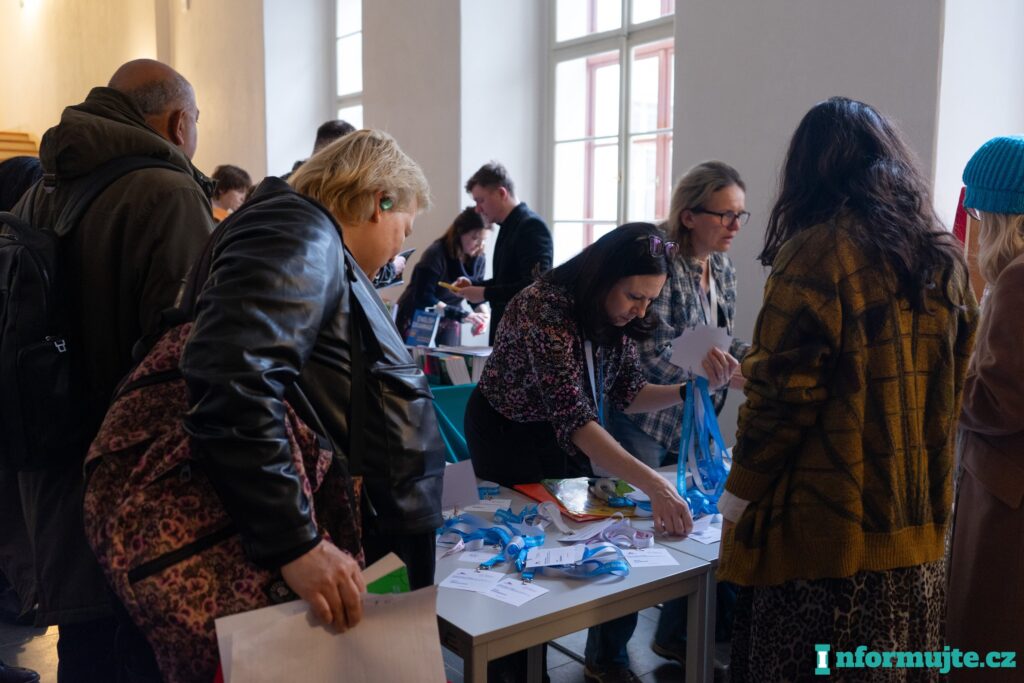
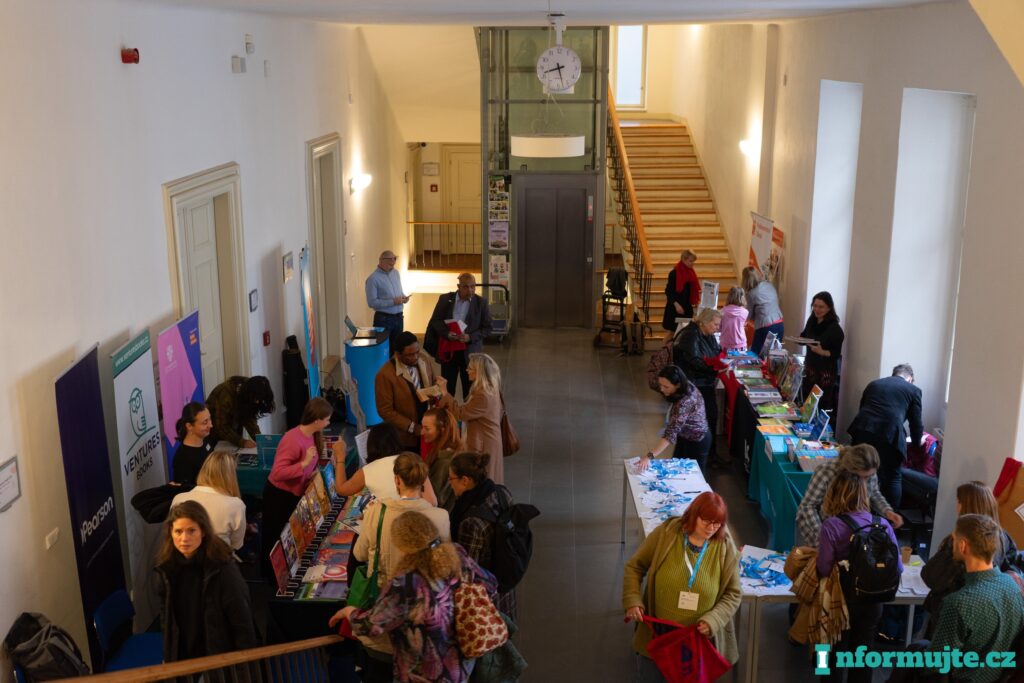
Stalls with textbooks and language tours
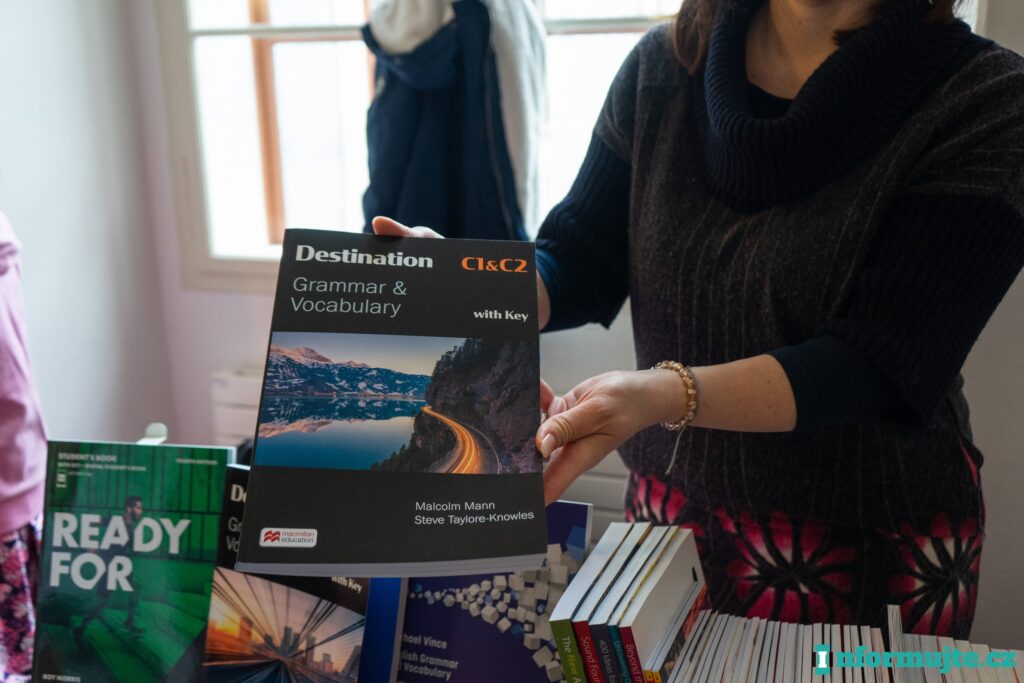
There were stalls in the lounge. The lounge connected four lecture rooms. The stalls sold English textbooks. It was possible to ask sellers which textbooks were suitable for you based on your and your pupils’ educational needs.
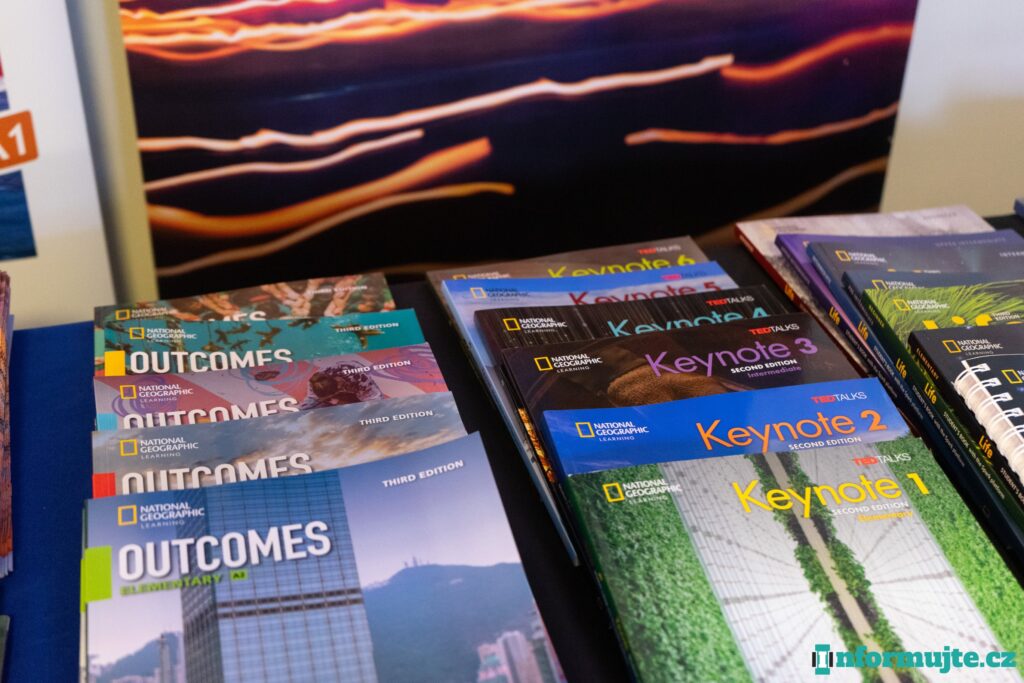
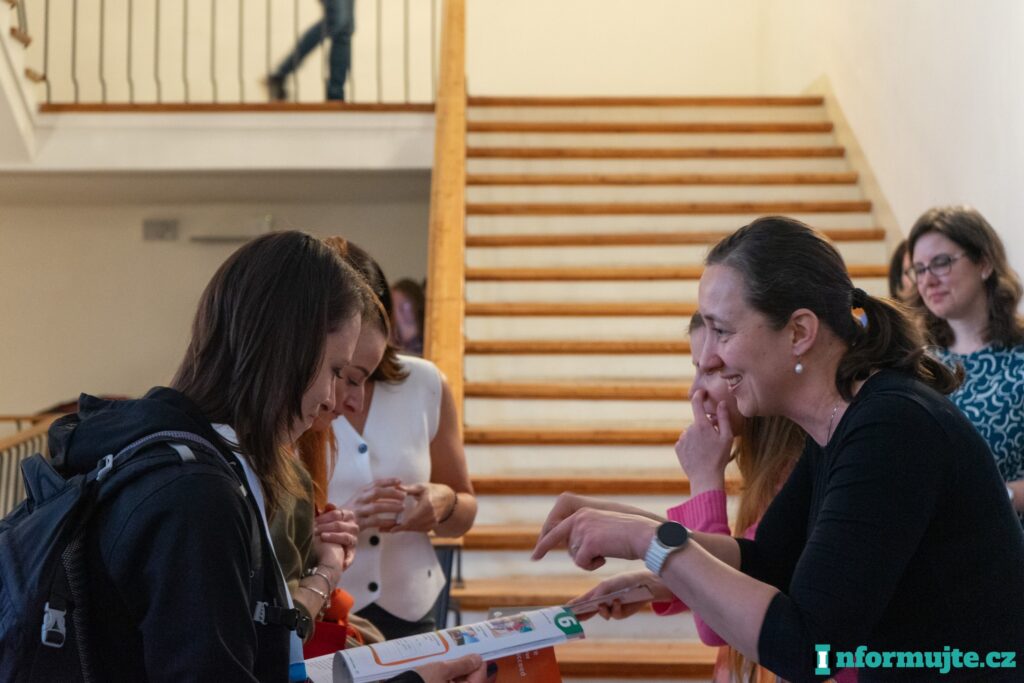
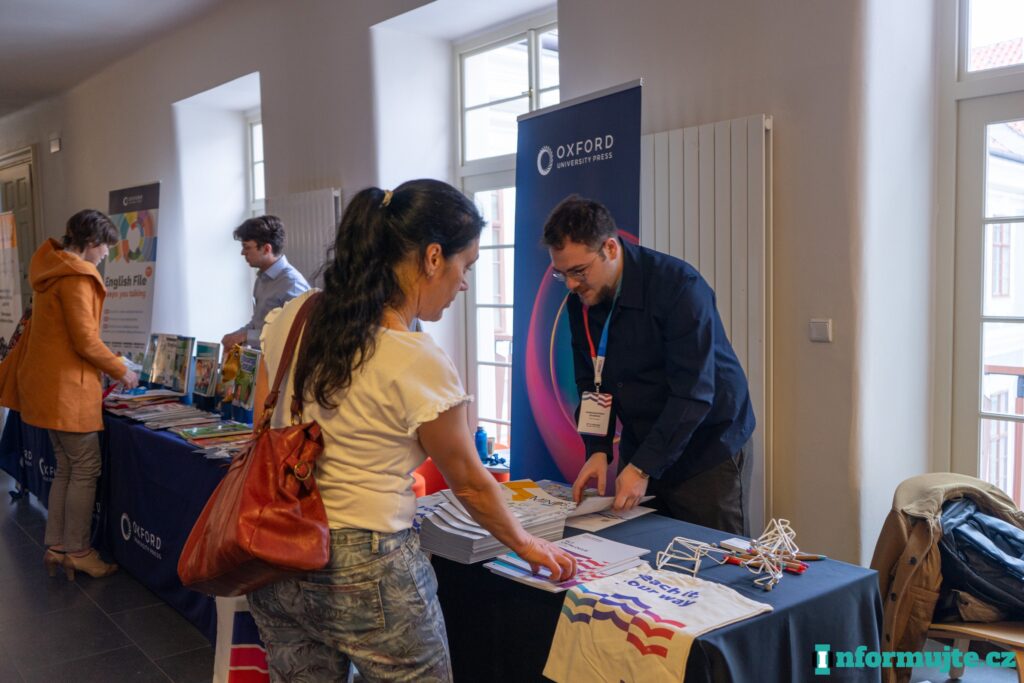
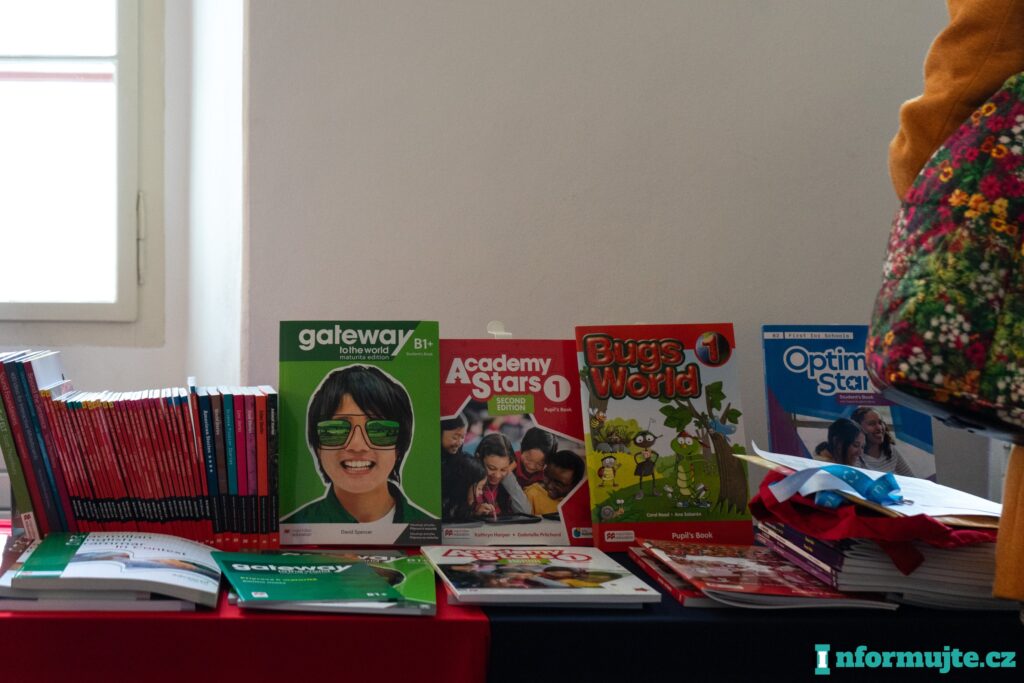

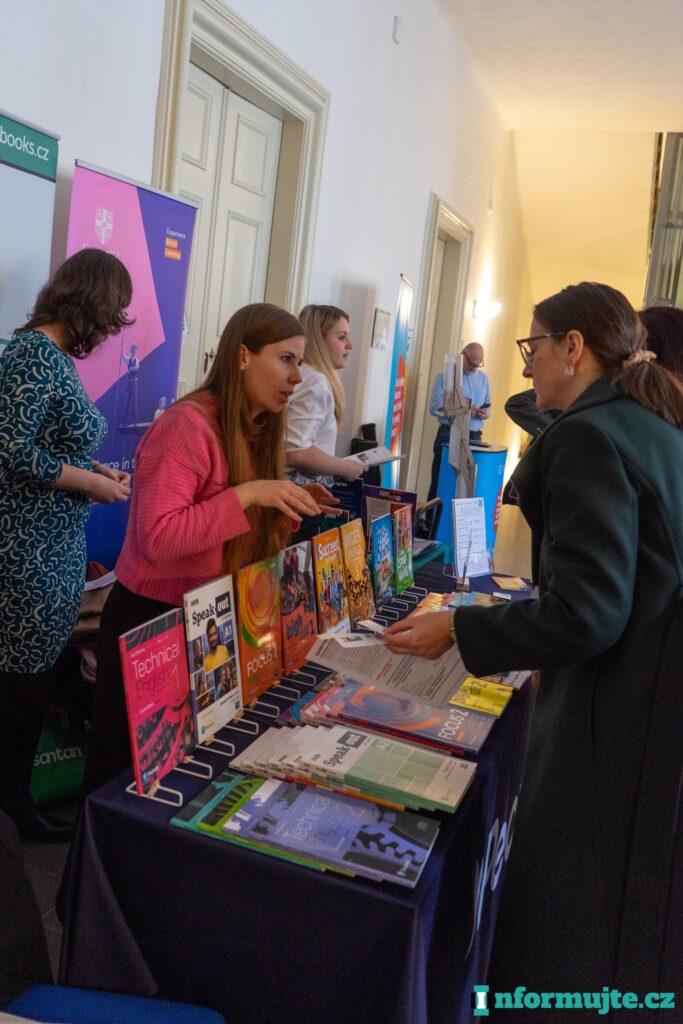
My favourite publisher Macmillan also had a stall there. They offered my favourite textbooks for self-learners. They are Destination B1, Destination B2 a Destination C1&C2. They follow one another.
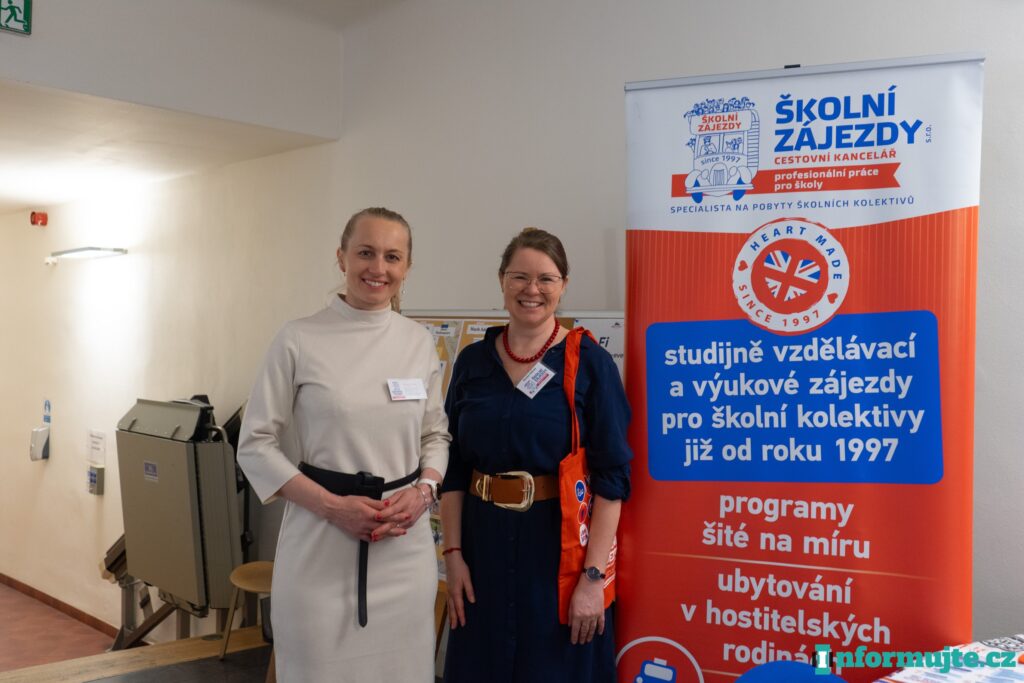
Furthermore, there was also a stall offering language courses as a tour in England or a stall propagating a movie festival about movies produced on New Zealand and in Australian.
Unclear communication with organizers and amateur-like website
To attend the conference, it was necessary to register via a form on their amateur-looking website. There was also an information on the website that it was necessary to pay immediately on their bank account.
There was written that the earlier you pay, the cheaper it would be. Unfortunately, after filling in the form, I didn’t receive any confirmation email with payment instructions. I was not motivated to pay for the conference because I was not sure if it was a website scam based on dark patterns. The dark patterns are UI design decisions which make you do things, which you wouldn’t do under normal circumstances. One example is that pressure is put on you to pay as quickly as possible to get an advantage / a benefit. In addition, their website looks old, untrustworthy and is not secured with HTTPS.
In the follow-up email conversation, it was necessary to contact organisers repeatedly and renegotiate the declared discount their website again. Their responses also had quite long pauses / gaps between each other. The standard response for an e-mail is 3 business days as it is a good practise.
Attendants of the conference are still paying customers and expect communication to be with a trustworthy organization, in a timely manner and without dark patterns.
Conclusion
The conference was well organized. The lectures were participative most of the time and thus weren’t boring. Attendants of the conference could find out interesting information, learn new ways of teaching and buy textbooks.
I recommend organizers to improve communication towards paying customers and removing dark patterns from their website and securing the website with HTTPS. Perhaps the best solution would be for them to have a new modern website made. The one which looks trustworthy, so I don’t get a notion that A teleshopping guy tries to sell me the ultimate banana for a better boner plus necessary to call in a limited time only to get such a good deal and communicate in a timely manner and clearly via e-mail.
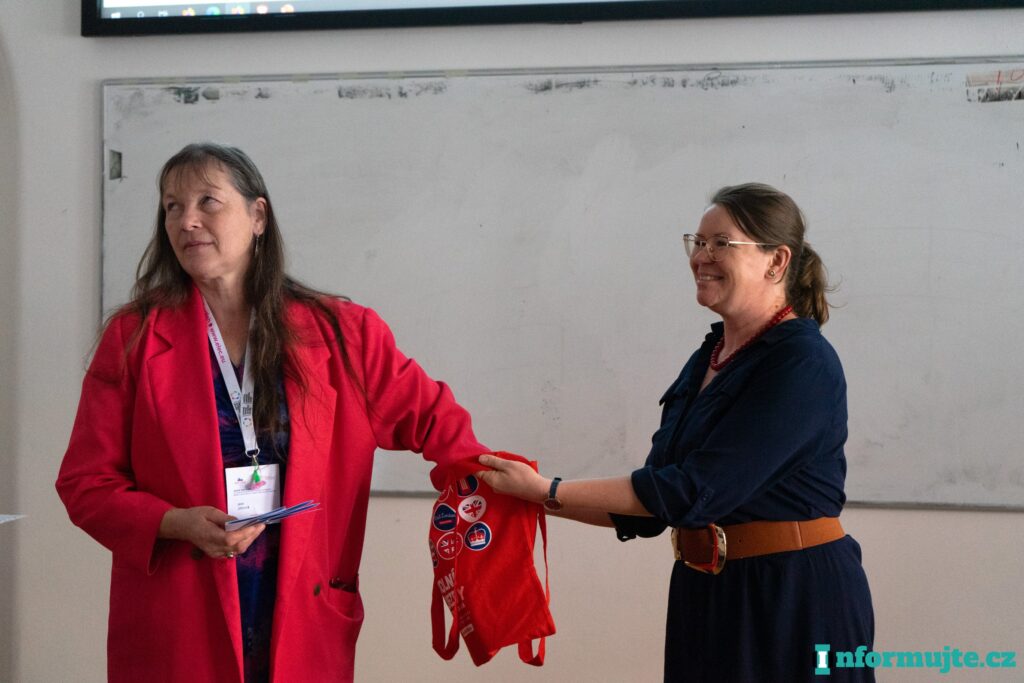
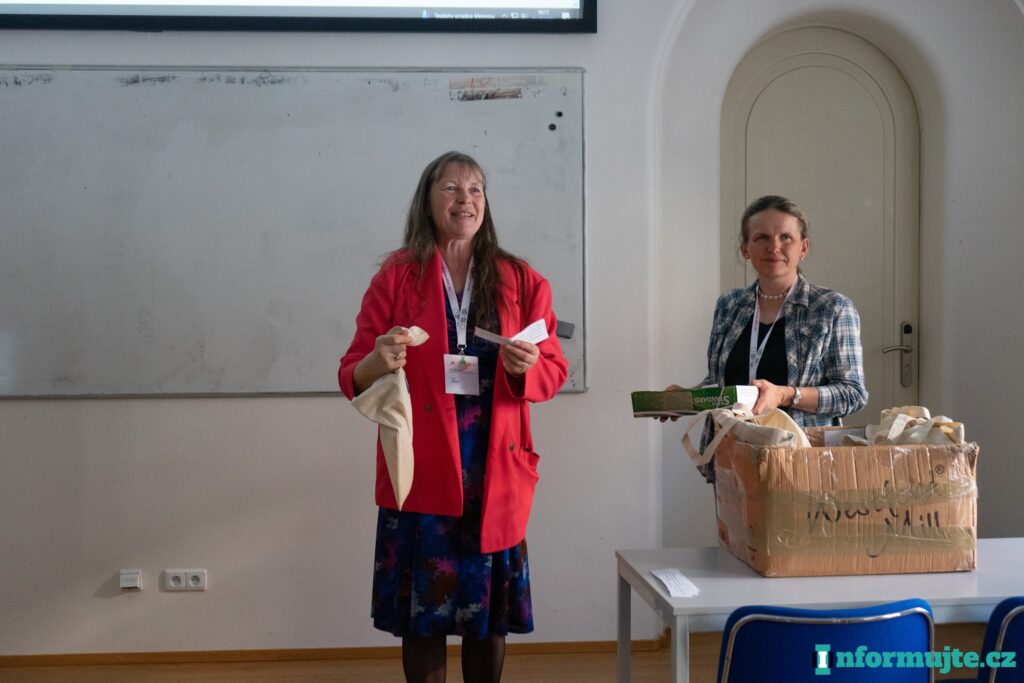
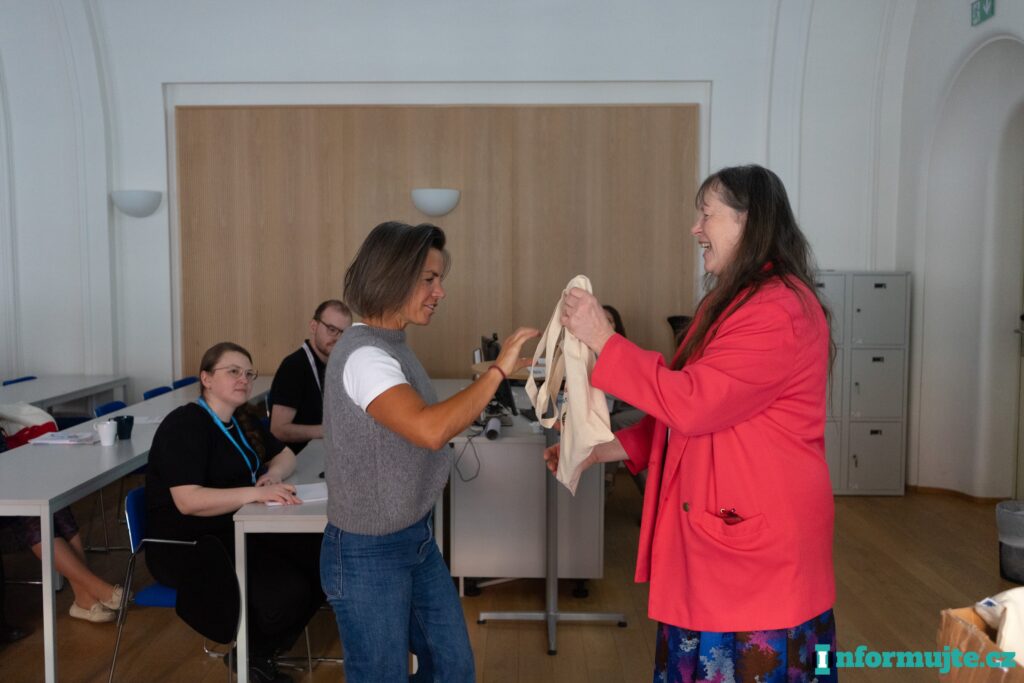
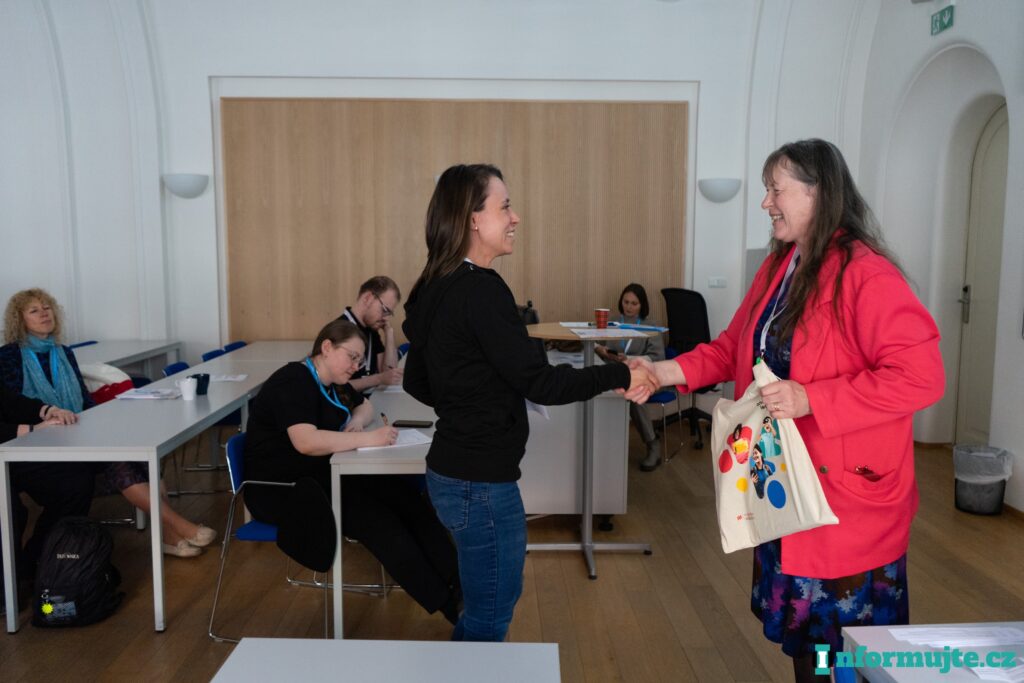
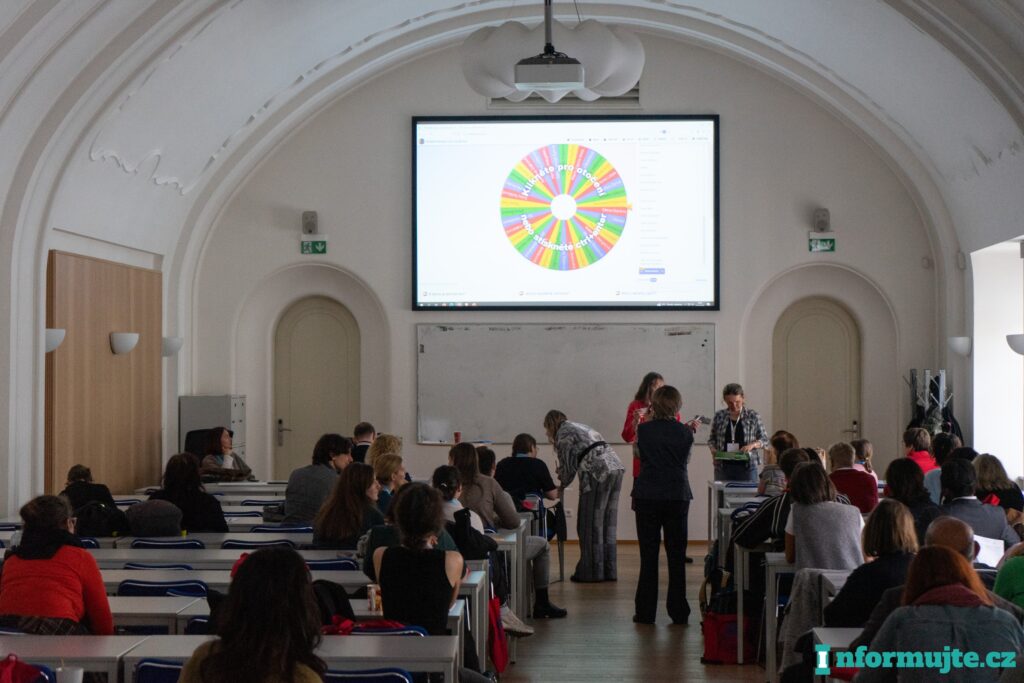
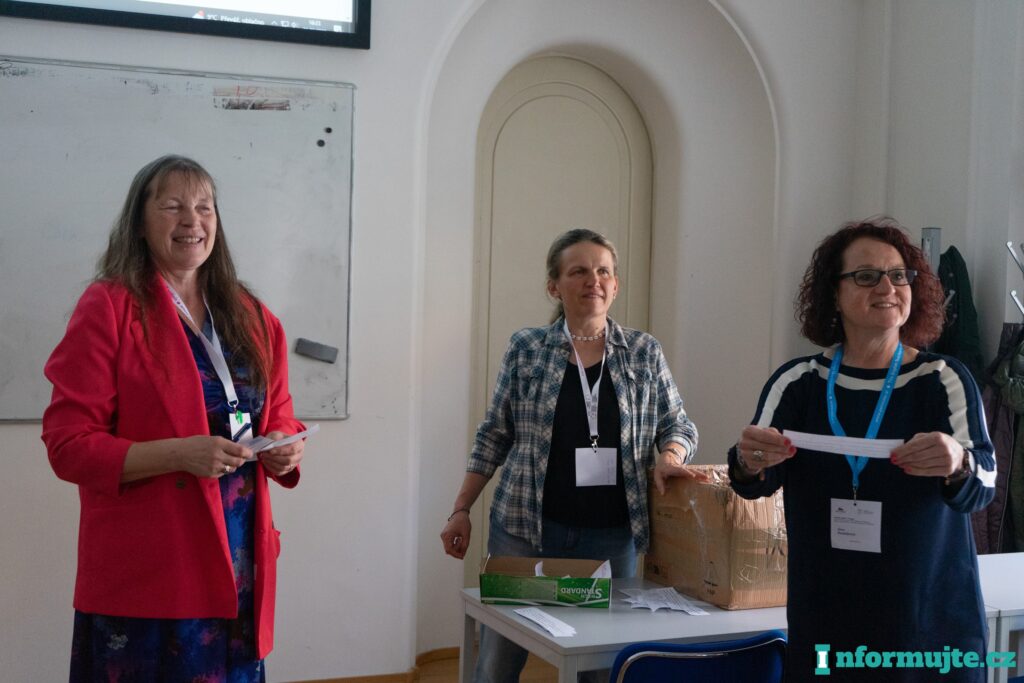
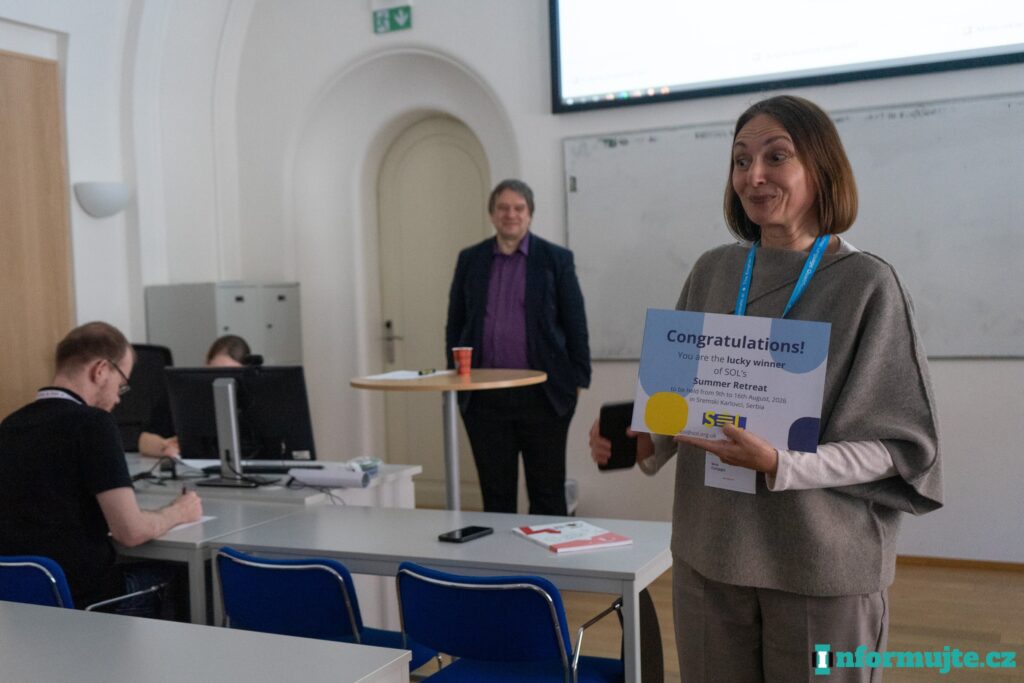
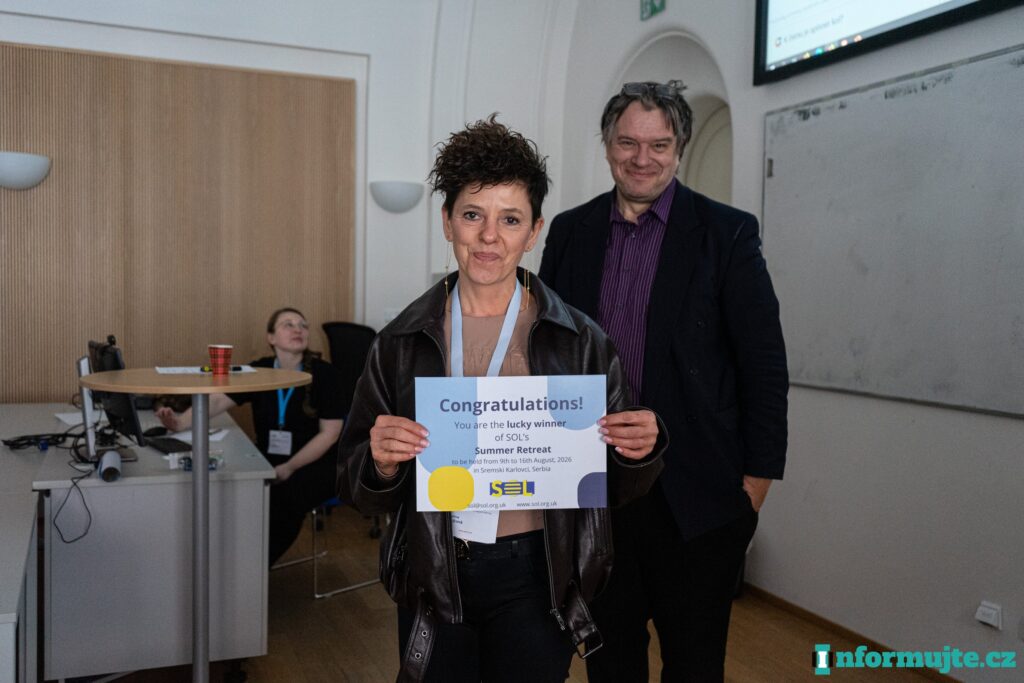
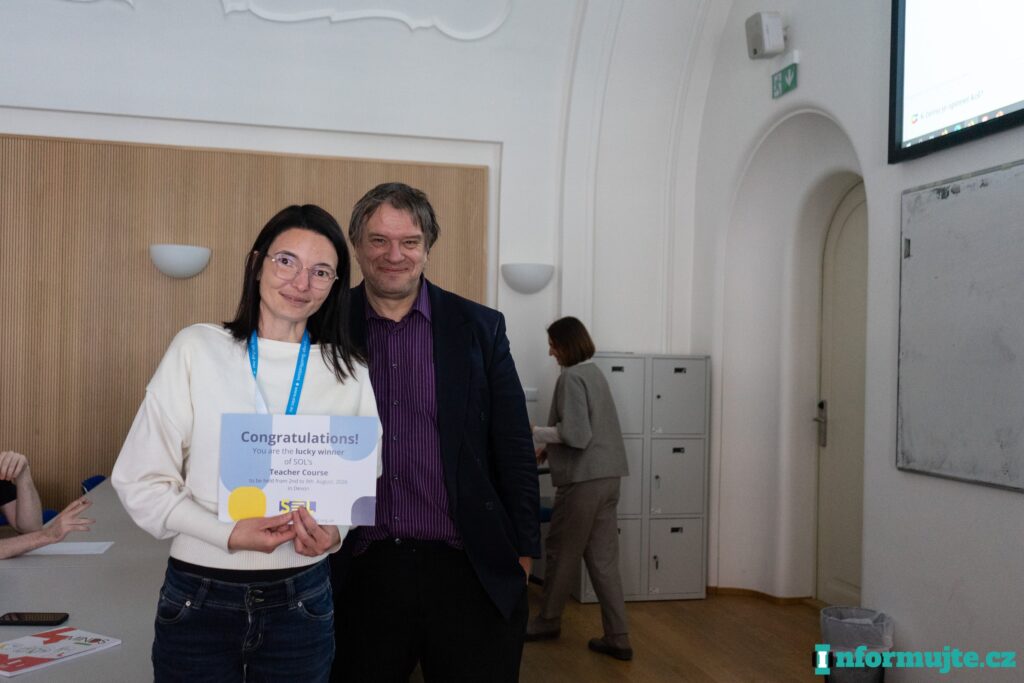
A closing ceremony with a raffle took place at the end of the day.