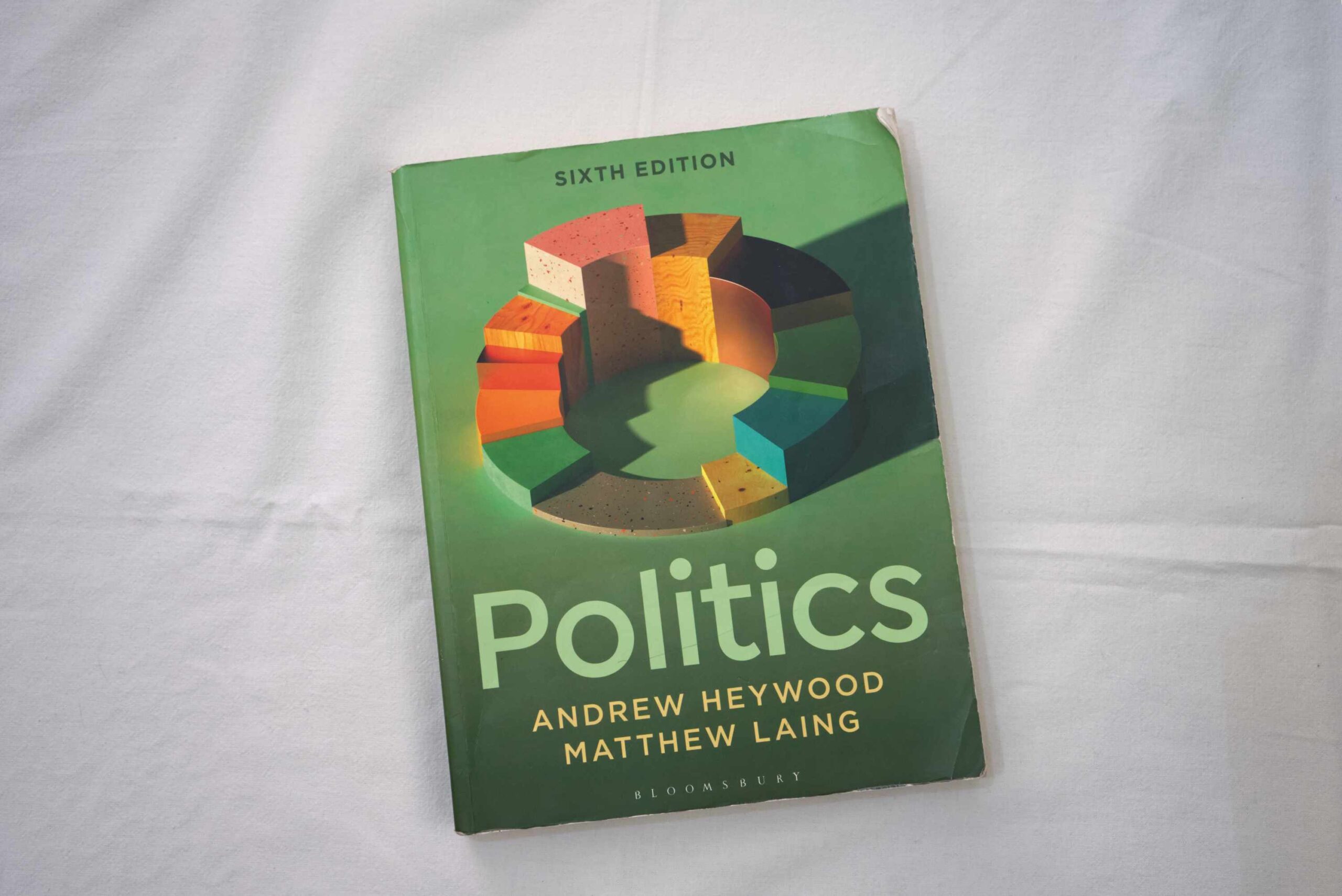

This is a review of a book Politics 6th edition by Andrew Heywood and Matthew Laing with an ISBN 978-1-350-35680-1 published in January 2025. The book is a comprehensive work on the topic of politics. It also analyses the current political situation on a national level as well as, at least partly, on an international level. Andrew Heywood is a British author writing about political science. He is an educator at Croydon College and Orpington College.
This article is a part of two-article series related to the book. The second article will be Analysis of the current political situation based on the book. It will follow this article.
The book gives a general overview about what politics as science is about. It carries on with basics as political ideologies and ideas, regimes, democracy and nationalism. It talks about a relation between politics and the economy as well as society.
It also describes how democratic regimes differ in each country (a presidential or a party system). The book also describes a relationship between how citizens vote and their decisions and how these decisions depend on which information they are fed with (from the media) and their education.
It also introduces new concepts of interest groups, social movements and lobbying. It explains how these entities influence decisions of a government. Even though, they are unelected and weren’t given a mandate by voters to do so.
At the end, there is a chapter about the world order, global governance and why it is hard to enforce rules outside of nation states.
Positives
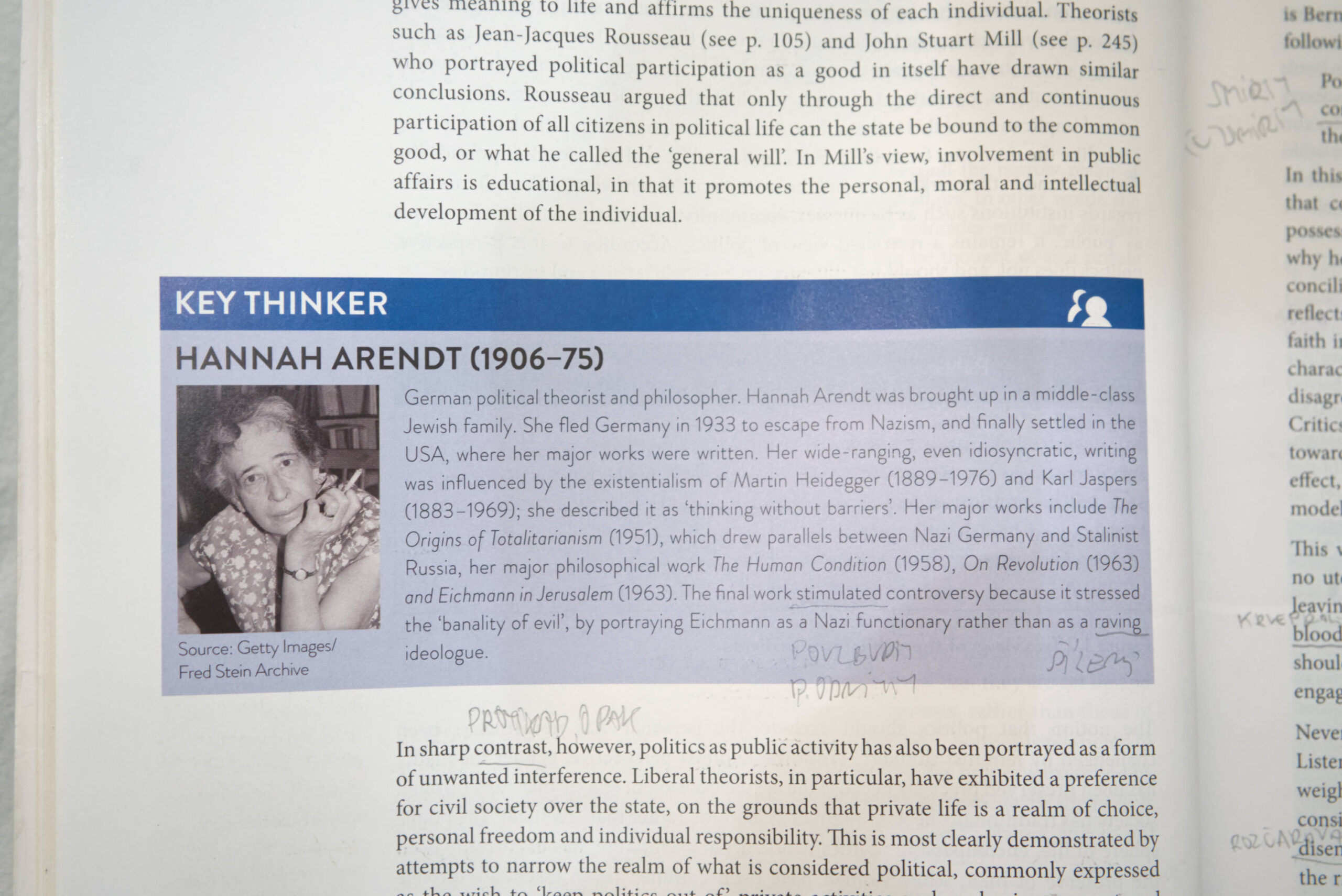
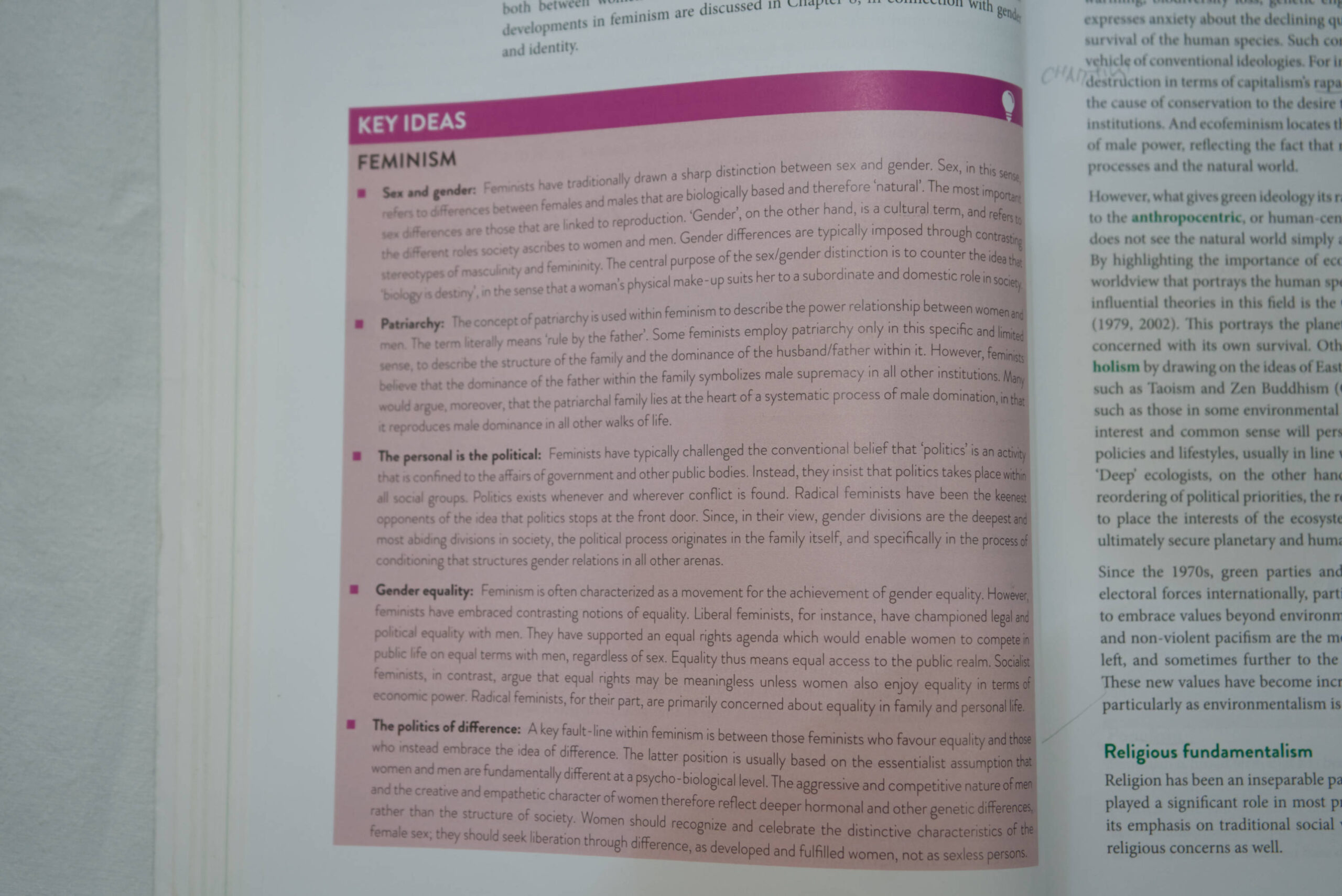
The text of the book is well-structured. There is not only the main text but a lot of side boxes as: key ideas, focus on, politics in action, debating and a key thinker. These boxes widen scope of what you, as a reader, can learn. The debating one is especially good as they introduce two sides of arguments to complicated topics. It gives you an opportunity to see given topics not only in the good/bad, black/white, acceptable / unacceptable binary choices, but in a way as they should be seen. Meaning that almost nothing is a binary choice in our multi-aspect world. It leaves opinion extremism out of minds of people.
Vocabulary of the book is very accessible. Words used are easily understandable even for a non-native English speaker as me. It doesn’t include much academic jargon which is beneficial. I guess, that should be a cornerstone of all textbooks. Czech textbooks suffer from use of too many academic words which make such books unreadable and not accessible to the general public. Sometimes I have a feeling there is more unknown words in works of Czech academic scholars than in English books (I met two scholars from Hradec Kralove University on their way to a scholarly conference. They told me they do it because they don’t want laymen to understand them. Cool!)
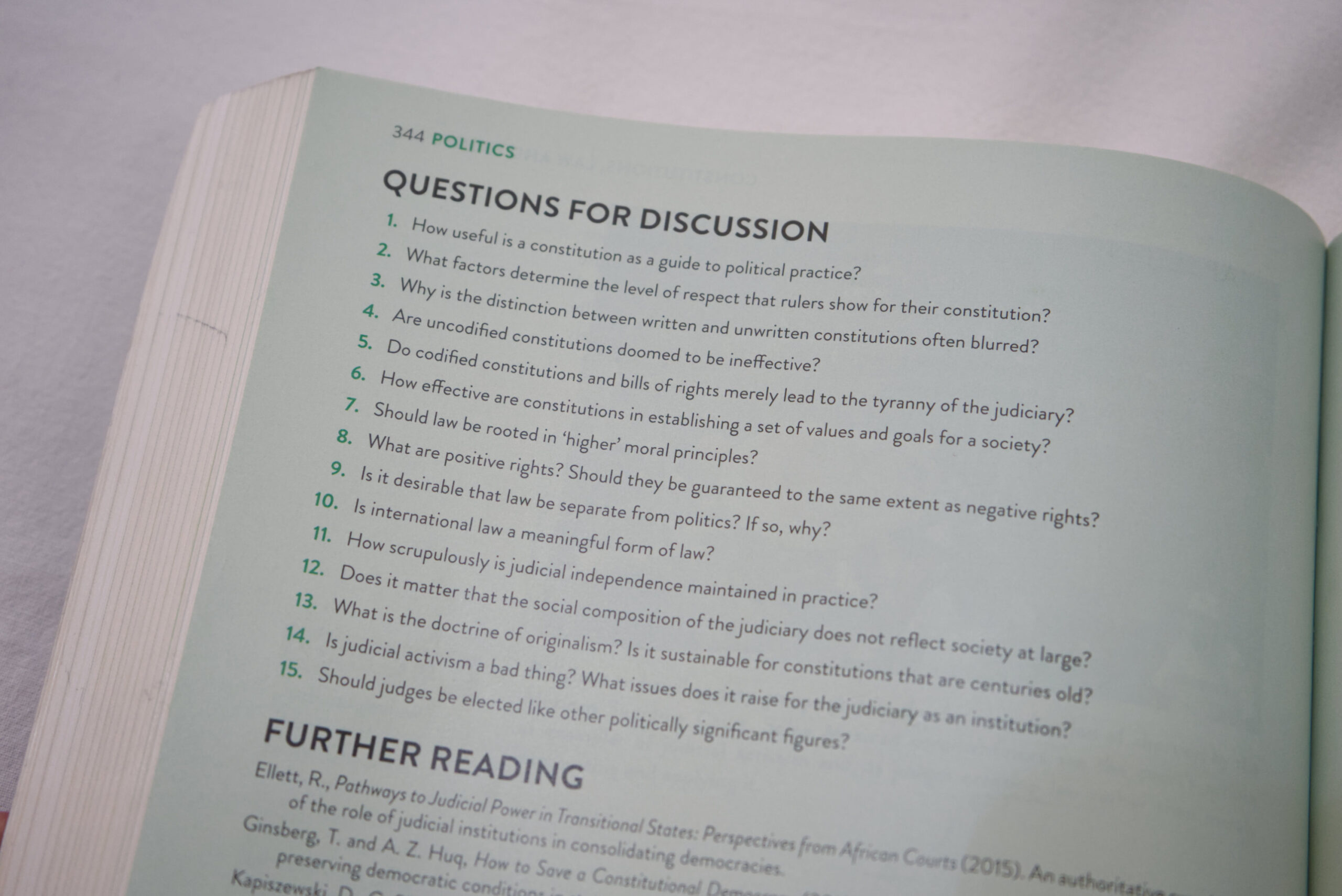
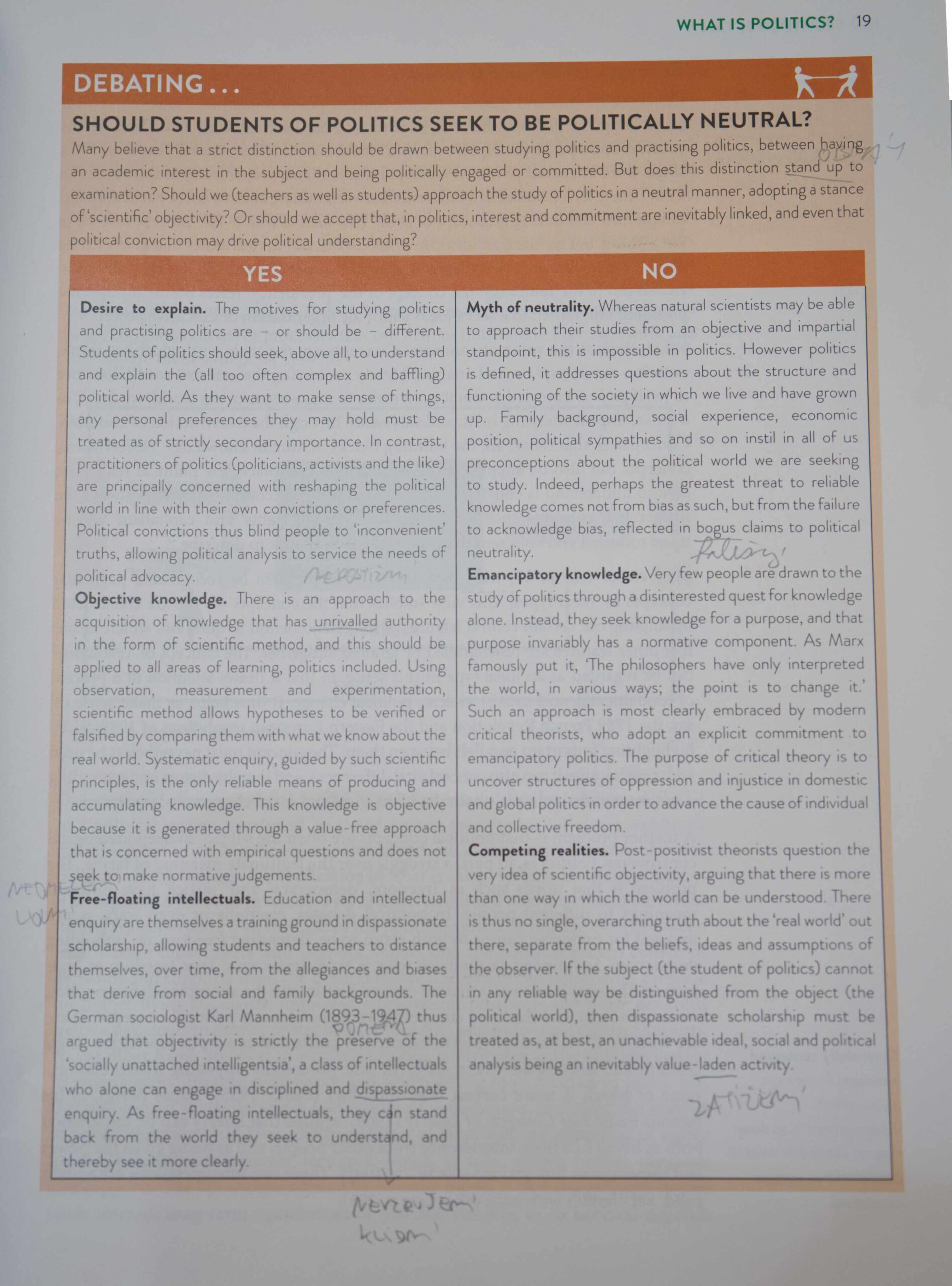
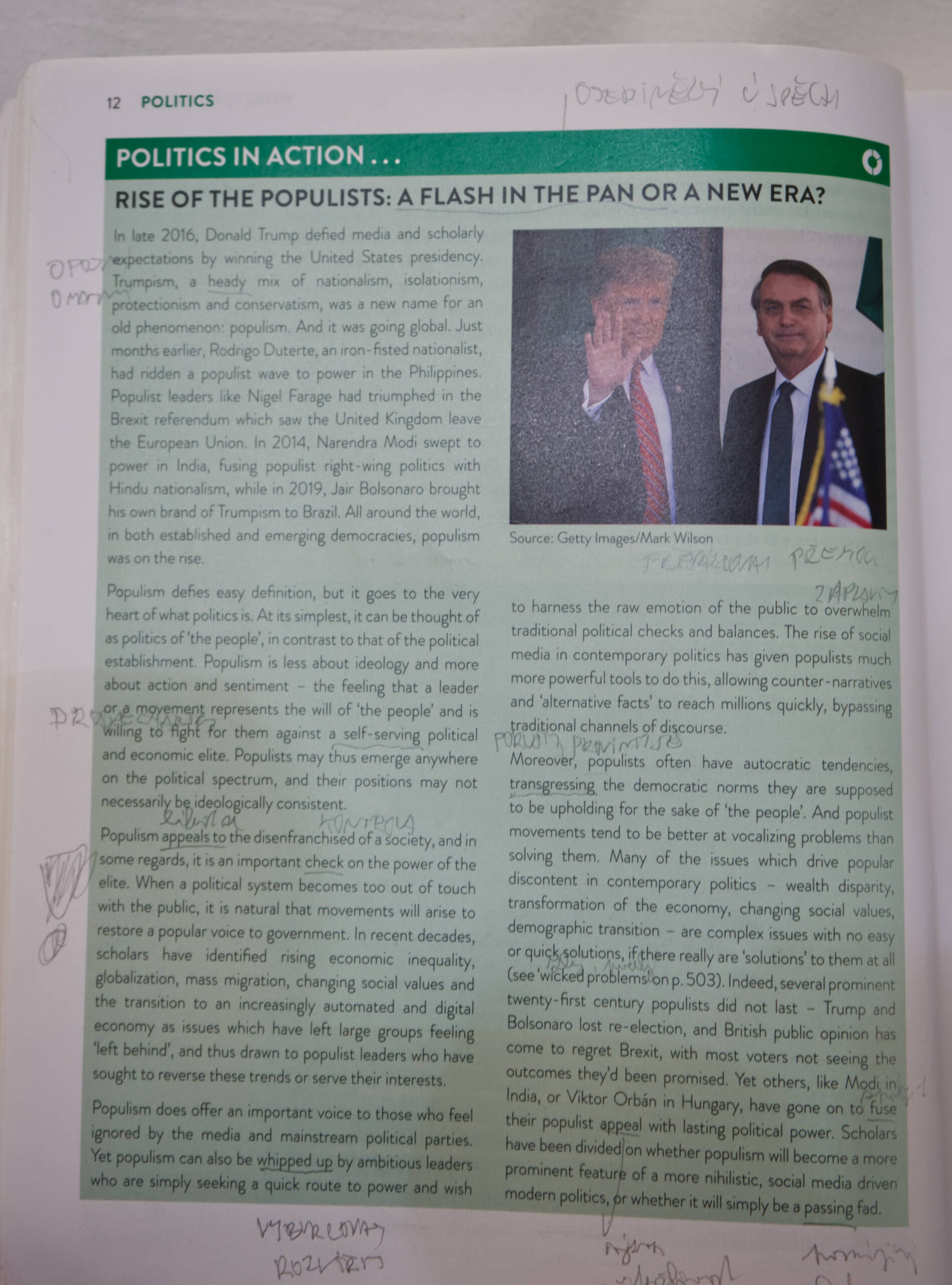
There is a set of questions at the end of each chapter. They serve two purposes. One of them is to review what you have read to remember it better. The second one is to ponder about given topics to make you think and come up with your own arguments.
Negatives
Even though a balanced review should include negatives as well, I didn’t see any. This may make my review not balanced.
However, there is a disadvantage and that is the fact that the last edition of this book translated to Czech language is from 2008. That is very old because we’ve experienced the economic crisis of 2008/9, the immigration crisis, the Covid crisis and the rise of populism. That may make the 3rd edition (the one last translated to Czech) not relevant to the current state of affairs.
Why you should read the book
With knowledge comes the power to understand the world around you and shield yourself from distorted information of sides / people with agendas. Let it be: politicians, criminals, salespeople, marketers and so on. Don’t take too seriously that criminals are mentioned next to politicians. It does not and should not imply anything at all.
You may not understand high-level maths of physics. However, I think the general public must understand and know how politics, media and governments work and how they intertwine together. Why? Because it influences what people think and how they act and vote, set up interest groups and so on. These topics touch each of us every day all the time. There are among them: a social welfare system, corruption, building infrastructure, introducing new laws and so on.
If you possess more knowledge and thus you can’t be fooled so easily, it makes your mind a little bit lighter. Or at least that was my case.